Kruskal Wallis: Uji Non-Parametrik Komparasi Numerik Tidak Berpasangan
Summary
TLDRThis video explains the Kruskal-Wallis test, a non-parametric statistical method used to compare more than two independent groups when data distributions are not normal. It contrasts Kruskal-Wallis with parametric tests like ANOVA, highlighting when to use each based on data characteristics. The script outlines how to prepare and interpret the results, including conducting post-hoc tests to identify which groups differ. The example explores the comparison of time spent brushing teeth across different family members, demonstrating the practical application of Kruskal-Wallis and the steps involved in SPSS to analyze the data.
Takeaways
- 😀 The Kruskal-Wallis test is a non-parametric method used to compare more than two independent groups when the data distribution is not normal.
- 😀 If the data is normally distributed, a one-way ANOVA should be used instead of Kruskal-Wallis.
- 😀 The independent variable represents categories or groups, such as family members (father, mother, first child, second child).
- 😀 The dependent variable is numerical, for example, the duration of teeth brushing in seconds.
- 😀 Before performing Kruskal-Wallis, a normality test must be conducted to determine if non-parametric analysis is required.
- 😀 In SPSS, the dependent and independent variables are input into their respective columns, and Kruskal-Wallis is selected under non-parametric tests for independent samples.
- 😀 A p-value less than 0.05 from the Kruskal-Wallis test indicates a statistically significant difference among the groups.
- 😀 If the Kruskal-Wallis test shows significance, post hoc tests like Mann-Whitney are used to identify which specific groups differ.
- 😀 Results are typically presented using the median and range (minimum-maximum) for each group.
- 😀 In the example from the script, significant differences in teeth brushing duration were found among some family members, while others had similar durations.
- 😀 Kruskal-Wallis is a practical tool for comparing numerical data across multiple independent groups when the assumptions for parametric tests are not met.
Q & A
What is the Kruskal-Wallis test and when is it used?
-The Kruskal-Wallis test is a non-parametric statistical test used to compare more than two independent groups. It is used when the data does not meet the assumptions of normality, which is required for parametric tests like ANOVA.
How is the Kruskal-Wallis test different from ANOVA?
-The main difference between Kruskal-Wallis and ANOVA is that Kruskal-Wallis is used for non-normal data, while ANOVA assumes that the data follows a normal distribution. Kruskal-Wallis compares the ranks of data, whereas ANOVA compares means.
What is the null hypothesis in the Kruskal-Wallis test?
-The null hypothesis in the Kruskal-Wallis test is that there is no significant difference between the groups being compared. In other words, the distributions of the groups are the same.
What does a significant result in the Kruskal-Wallis test imply?
-A significant result (p-value < 0.05) in the Kruskal-Wallis test implies that there is a statistically significant difference between the groups. However, this only tells you that a difference exists, not which specific groups are different.
What do you do if the Kruskal-Wallis test shows significant results?
-If the Kruskal-Wallis test shows significant results, post hoc tests such as the Mann-Whitney U test should be conducted to identify which specific pairs of groups differ from each other.
How is the Kruskal-Wallis test performed in SPSS?
-In SPSS, the Kruskal-Wallis test is performed by entering the dependent variable (e.g., time taken to brush teeth) and independent variable (e.g., family member categories) into the appropriate fields. Afterward, the Kruskal-Wallis test can be selected from the SPSS menu to generate results.
What is the role of normality testing in selecting between parametric and non-parametric tests?
-Normality testing helps determine whether the data follows a normal distribution. If the data is not normally distributed, non-parametric tests like the Kruskal-Wallis test should be used. If the data is normally distributed, parametric tests such as ANOVA are appropriate.
What is the significance of using median and range in reporting non-parametric test results?
-In non-parametric tests like the Kruskal-Wallis, the data does not assume a normal distribution, so it is more appropriate to report the median and range. These statistics provide a better summary of the central tendency and spread for skewed or non-normally distributed data.
What is the post hoc test in the context of the Kruskal-Wallis test?
-Post hoc tests, such as the Mann-Whitney U test, are conducted after finding significant results in the Kruskal-Wallis test. These tests help determine which specific pairs of groups are different from each other.
Can the Kruskal-Wallis test be used for dependent groups?
-No, the Kruskal-Wallis test is designed for independent groups. If the groups are dependent, alternative tests like the Friedman test should be used.
Outlines

此内容仅限付费用户访问。 请升级后访问。
立即升级Mindmap

此内容仅限付费用户访问。 请升级后访问。
立即升级Keywords

此内容仅限付费用户访问。 请升级后访问。
立即升级Highlights

此内容仅限付费用户访问。 请升级后访问。
立即升级Transcripts

此内容仅限付费用户访问。 请升级后访问。
立即升级浏览更多相关视频
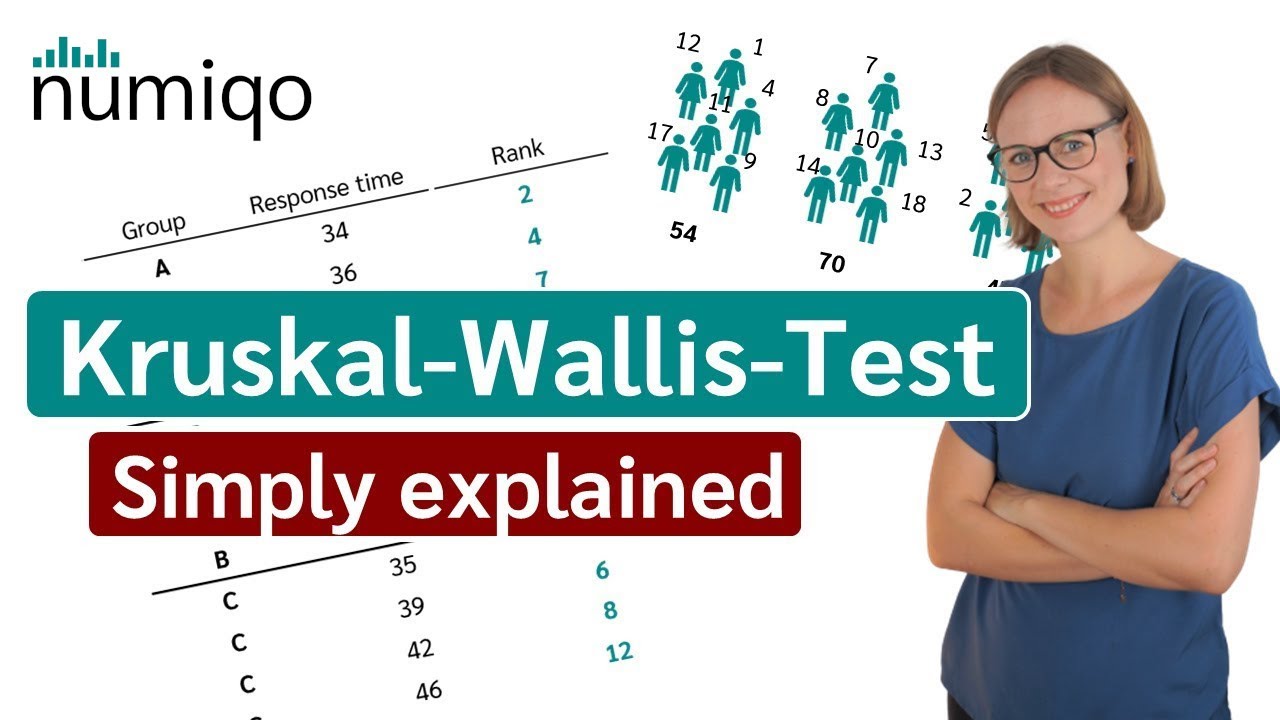
Kruskal-Wallis-Test (Simply explained)

UJI BEDA LEBIH DARI 2 MEAN BERPASANGAN DAN TIDAK BERPASANGAN
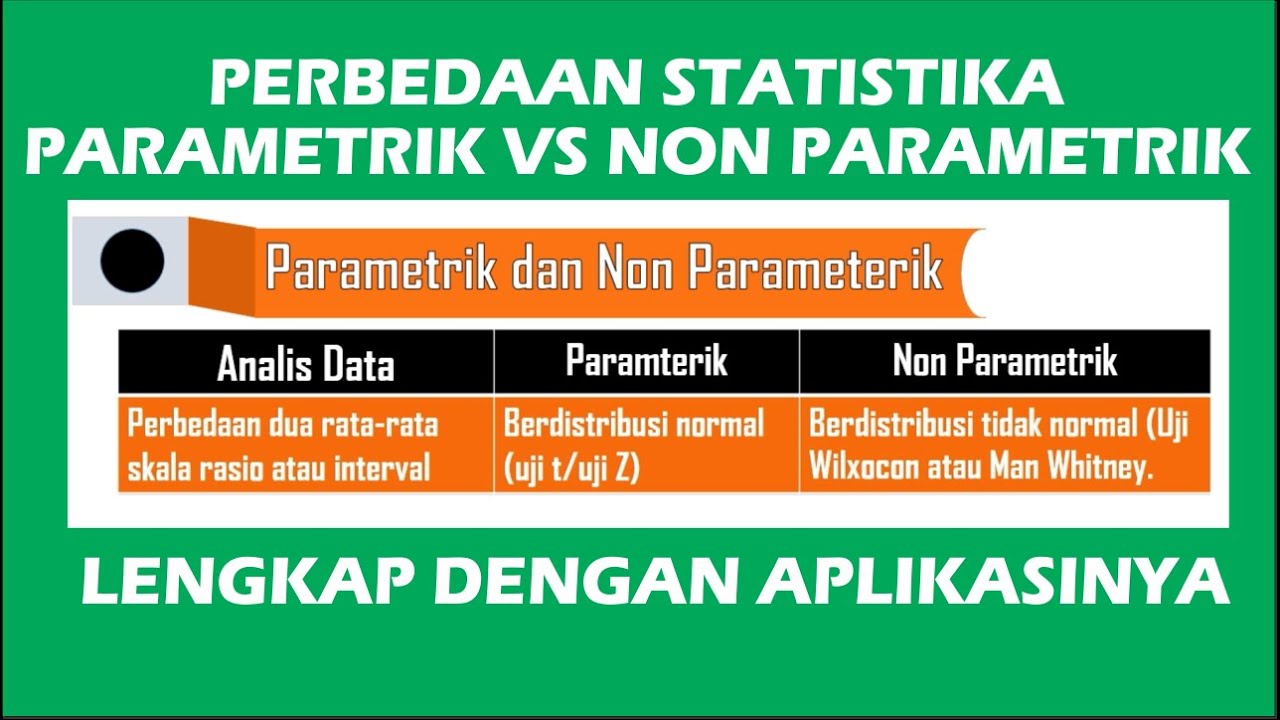
Perbedaan Statistika Parametrik dan Non Parametrik

Common Statistical Tools: Preliminary Concepts
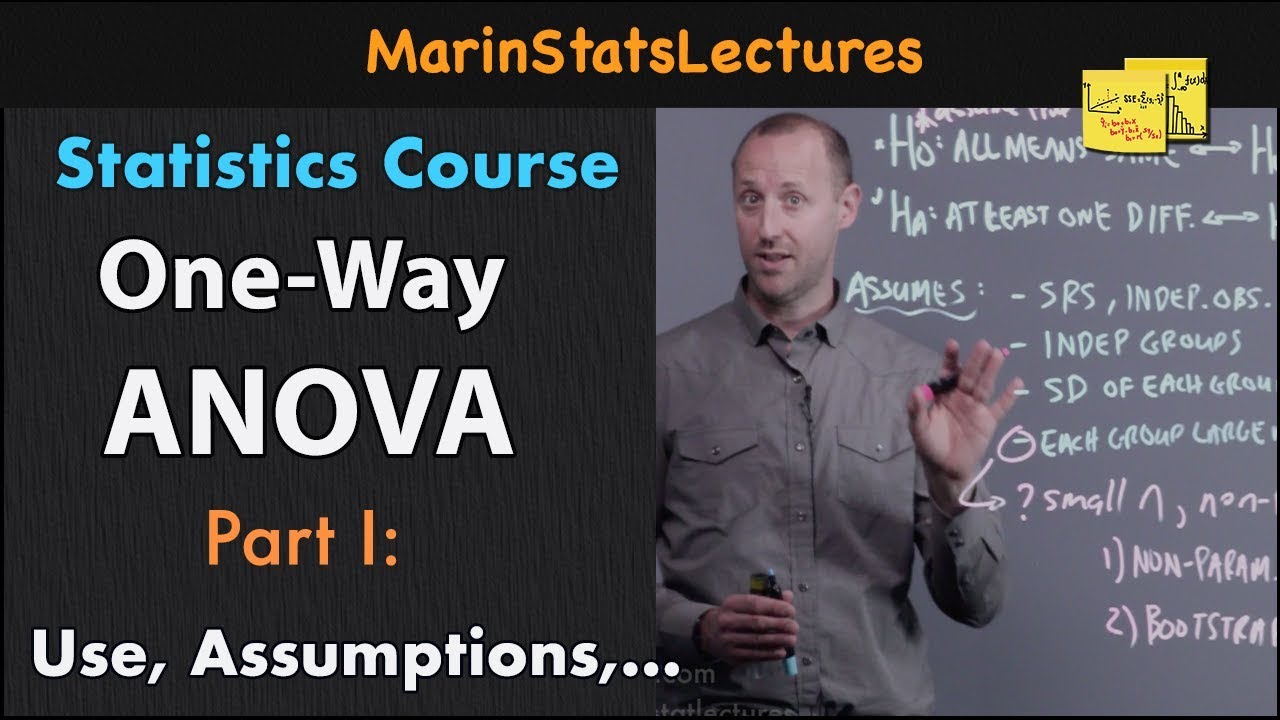
One Way ANOVA (Analysis of Variance): Introduction | Statistics Tutorial #25 | MarinStatsLectures
KONSEP DASAR UJI BEDA MEAN | BERPASANGAN VS TIDAK BERPASANGAN ❓❓❓❓
5.0 / 5 (0 votes)

