Read Liquidity Like a Pro in 54 Minutes
Summary
TLDRThis video delves into advanced trading concepts, focusing on the distinction between 'sweeps' and 'runs' in price action. It covers essential techniques for identifying market trends, order blocks, and liquidity dynamics. The script emphasizes how to avoid unnecessary losses by reading price movements and recognizing when to act or wait. It also explores the institutional story behind liquidity and breakout traders' behavior, providing insights into how orders are matched in the market. Overall, the content offers a clear framework to enhance trading strategy and improve market analysis.
Takeaways
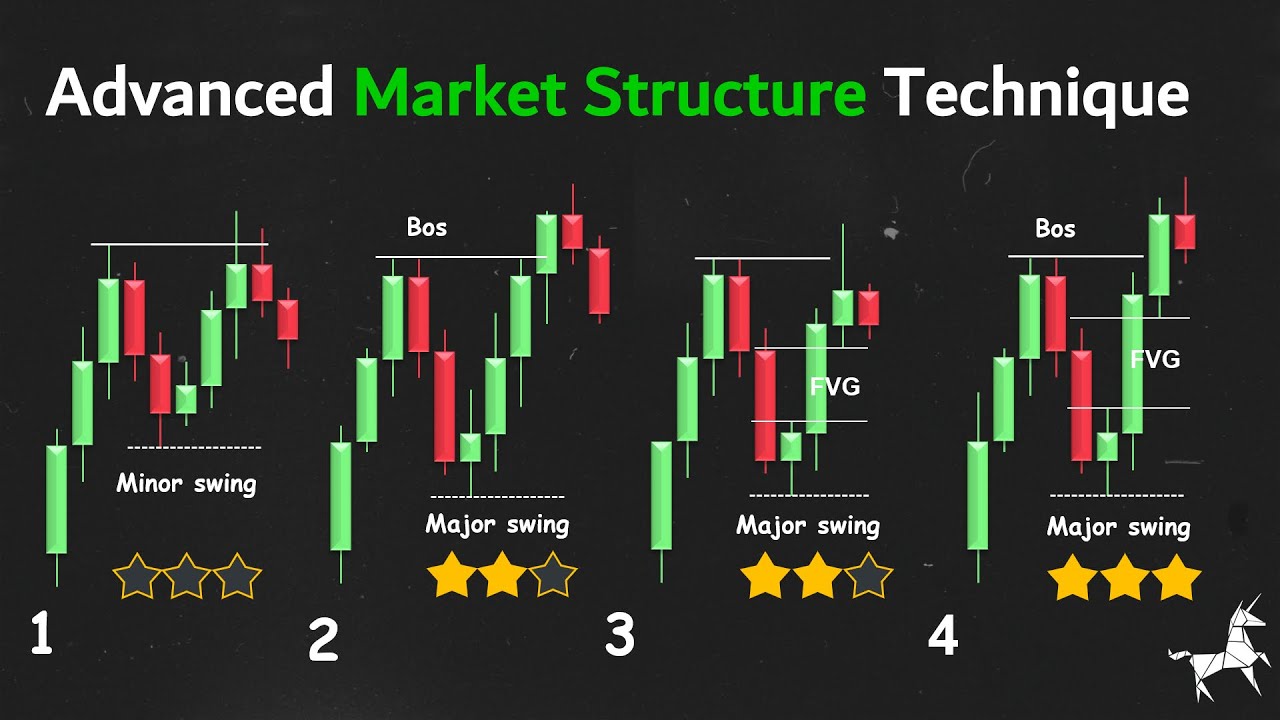
- 📊 Always mark swing highs and swing lows on your chart to identify potential trend directions and key levels.
- ⚡ Observe fair value gaps (FVGs) and order blocks (OBs) as they indicate areas of potential liquidity and market reactions.
- 🔄 Distinguish between 'running' and 'sweeping': running continues a trend, sweeping collects liquidity or signals short-term reversals.
- 📈 Running swing highs indicates bullish strength, while running swing lows indicates bearish strength.
- ⚠️ Sweeping swing highs or lows signals potential reversals or weakening trends; avoid trading against these sweeps without confirmation.
- 🎯 Wait for confirmation after retracements into FVGs or OBs before entering trades to reduce unnecessary losses.
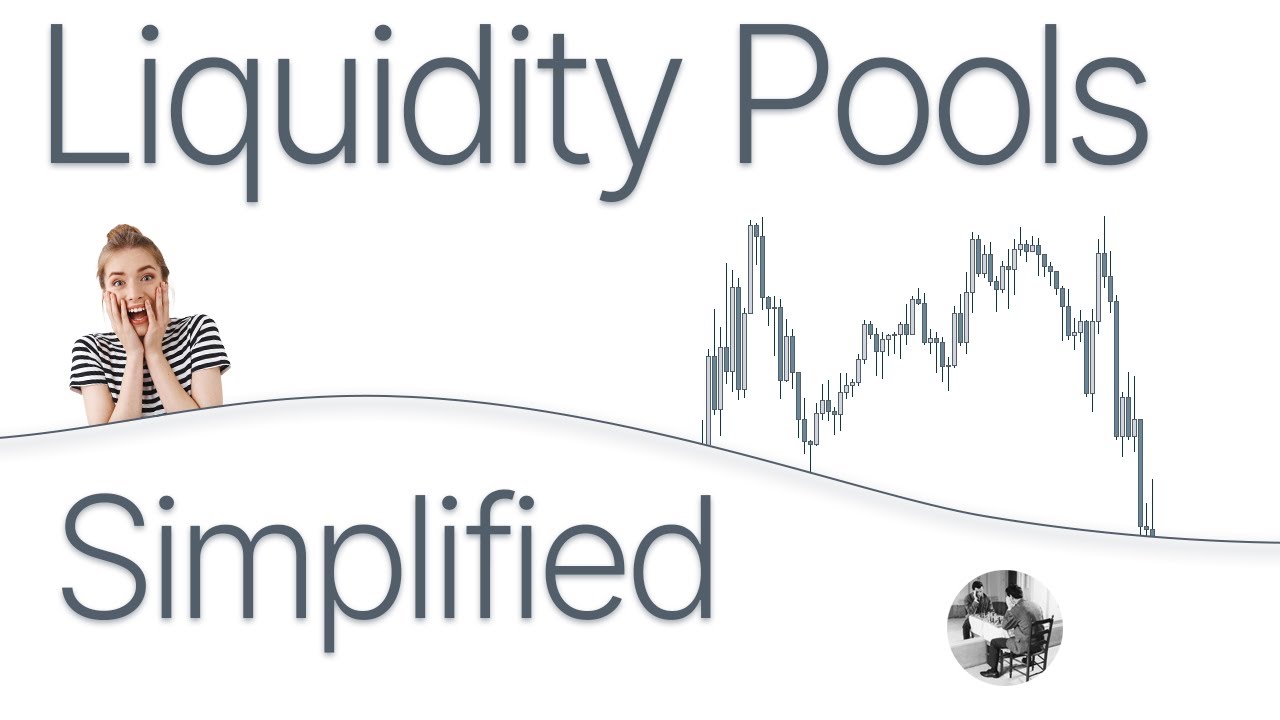
- 💡 Understand liquidity as the matching of buy and sell orders; large breakout traders influence price movements significantly.
- 🛑 Stop-losses and take-profits are part of liquidity; sweeps often target stop-loss orders to create market movement.
- -
- 🔍 Consolidation occurs when highs and lows are being swept without being run, indicating indecision in the market.
- -
- 🧭 Align your entries and bias with liquidity flow and market structure to stay ahead of the curve and improve trading performance.
- -
- ⏳ Patience is key: do not rush into trades based on potential sweeps or incomplete signals; let patterns develop.
- -
- 📉 Observing lower time frames (e.g., 1-minute chart) can help confirm sweeps, runs, and entry timing in alignment with the overall trend.
Q & A
What is the difference between a 'run' and a 'sweep' in market structure?
-A 'run' occurs when price continues in the direction of a trend, confirming swing highs or lows, while a 'sweep' happens when price briefly reverses to take out liquidity (stop losses) before resuming or reversing trend direction.
How do swing highs and swing lows help in identifying trends?
-Running swing highs indicates a bullish trend, while running swing lows indicates a bearish trend. Sweeping swing highs or lows can signal potential trend reversals or consolidation phases.
What is the role of fair value gaps and order blocks in trading?
-Fair value gaps and order blocks represent areas of liquidity where large institutional orders may exist. They help traders identify potential reversal points, areas of rejection, and support/resistance levels to align trades with market momentum.
Why is it important to wait for confirmation before taking a trade?
-Confirmation ensures that a trend or sweep is genuine and not a false move. Entering prematurely can result in unnecessary losses, especially if price is about to sweep liquidity against your position.
How does understanding liquidity prevent avoidable losses?
-Liquidity shows where stop-losses, buy/sell orders, and potential reversals may occur. By not trading against liquidity, traders can avoid entering positions that are likely to be swept or countered by stronger market forces.
What are the red and green zones described in the transcript?
-The red zone represents areas of indecision where price can go either way (50/50 chance), making trades risky. Green zones indicate clearer directions where running or sweeping has been confirmed, signaling safer trading opportunities.
How do breakout traders influence liquidity and market movement?
-Breakout traders place large orders above swing highs or below swing lows, expecting continuation. Their stop-losses and take-profits create liquidity that can be targeted by other traders, leading to sweeps or trend continuations.
What is the significance of retracements into fair value gaps or order blocks?
-Retracements into these areas help confirm whether the market is running a trend or preparing a sweep. Observing how price reacts here (rejection or continuation) guides entry decisions and risk management.
How does the MMT framework help traders become self-sufficient?
-MMT teaches traders to read market structure, identify runs vs. sweeps, mark fair value gaps and order blocks, and understand liquidity dynamics. This allows them to make independent decisions based on price action rather than relying solely on indicators or external advice.
What is a key indicator that a trend is weakening or reversing?
-A trend is weakening when previously running swing highs start getting swept or when swing lows stop being consistently run. Consolidation, characterized by alternating sweeps of highs and lows, often precedes reversals.
Why is it important to consider multiple time frames in trading?
-Using multiple time frames, such as the 1-minute and 1-hour charts, provides context for price action, confirms swings, and highlights potential sweeps or rejections. This improves entry accuracy and risk assessment.
How can understanding the relationship between stop-losses and take-profits aid in trading?
-Stop-losses and take-profits are opposing liquidity orders. Understanding where they are clustered helps anticipate sweeps and market reactions, allowing traders to align trades with the natural flow of liquidity rather than against it.
Outlines

此内容仅限付费用户访问。 请升级后访问。
立即升级Mindmap

此内容仅限付费用户访问。 请升级后访问。
立即升级Keywords

此内容仅限付费用户访问。 请升级后访问。
立即升级Highlights

此内容仅限付费用户访问。 请升级后访问。
立即升级Transcripts

此内容仅限付费用户访问。 请升级后访问。
立即升级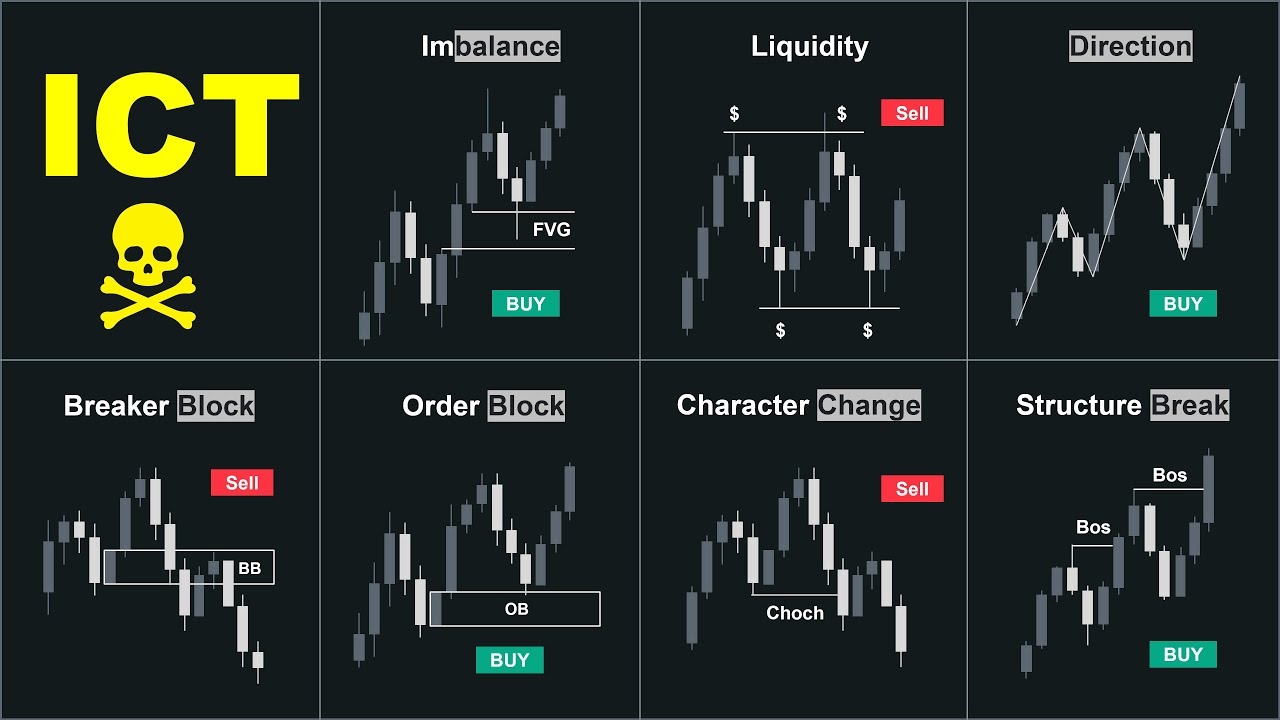


5.0 / 5 (0 votes)

