3. Perkembangan Pra-Kelahiran (Prenatal Development) | Life-Span Development | John W. Santrock
Summary
TLDRThis captivating journey takes us through the miraculous 9-month process of human development, from the fertilization of a single egg to the birth of a baby. The video explores each stage, from the crucial germinal and embryonic periods to the rapid growth of the fetal phase. It highlights the challenges faced during pregnancy, including the risks of teratogens, and the intense physical and emotional changes that mothers undergo during the postpartum period. Ultimately, the video reflects on how both biology and culture shape the profound and unique experience of birth.
Takeaways
- 😀 The incredible transformation from a single cell to a fully developed human is one of nature's most complex processes.
- 😀 The journey begins at fertilization, where a sperm cell meets an egg, and the process of cell division starts immediately.
- 😀 The first two weeks after fertilization are crucial, as this is when the foundation for future development is laid down.
- 😀 The pregnancy is divided into three main periods: germinal, embryonic, and fetal, each with distinct milestones and developments.
- 😀 During the germinal period, the fertilized egg (zygote) divides rapidly and forms a blastocyst, which then implants in the uterine wall.
- 😀 The embryonic period is a phase of major construction, where cells begin to differentiate and form the basic structures of the body.
- 😀 Organogenesis takes place during the embryonic period, where organs like the heart, brain, and kidneys begin to take shape.
- 😀 The fetal period focuses on growth and maturation of organs. The first trimester is when most organs start to form, and by the second trimester, rapid growth occurs.
- 😀 Environmental factors such as teratogens (drugs, pollution, diseases) can significantly impact fetal development, especially during critical periods.
- 😀 The process of birth involves three main stages: contraction and dilation, pushing, and expulsion of the placenta, with each stage playing a vital role in the delivery process.
Q & A
What is the starting point of human development in the womb?
-Human development begins with a single cell called a zygote, formed when a sperm fertilizes an egg. This zygote then divides rapidly and eventually forms a blastocyst that implants in the uterine wall.
What are the three main periods of pregnancy and their primary functions?
-The three main periods are: 1) Germinal period (0–2 weeks), focusing on cell division and implantation; 2) Embryonic period (weeks 3–8), where organogenesis occurs and major organs are formed; 3) Fetal (vetal) period (weeks 9 to birth), focusing on growth, maturation, and functional development of organs.
Why is the embryonic period considered the most critical for organ development?
-During the embryonic period, all major organs are being formed from scratch. This makes the embryo highly sensitive to teratogens, which can cause structural defects if exposure occurs during this time.
What are teratogens and how can they affect fetal development?
-Teratogens are agents from the environment that can cause harm to a developing fetus, such as certain drugs, alcohol, diseases, or pollutants. Their impact depends on the timing, dose, and genetic susceptibility, potentially causing structural or functional abnormalities.
How is fetal viability defined and at what stage does it occur?
-Fetal viability is the point at which a fetus has a reasonable chance of survival outside the womb, usually around 24 weeks of gestation, when key organ systems are sufficiently developed to support life.
What are the three stages of labor during childbirth?
-The three stages of labor are: 1) Cervical dilation and contractions, 2) Active pushing and birth of the baby, 3) Delivery of the placenta and supporting membranes.
What is the APGAR score and what does it assess?
-The APGAR score is a quick assessment of a newborn's health conducted immediately after birth. It evaluates five factors: heart rate, breathing effort, muscle tone, skin color, and reflex response, with each scored 0–2. A high total score (7–10) indicates the baby is adapting well to life outside the womb.
What are the common physical and emotional challenges faced by mothers during the fourth trimester?
-During the fourth trimester, mothers experience physical recovery including uterine involution and hormonal changes, extreme fatigue due to sleep deprivation, and emotional fluctuations such as postpartum blues or, in some cases, postpartum depression, which can affect their ability to care for themselves and the baby.
How do cultural practices influence childbirth experiences?
-Cultural practices shape how childbirth is experienced, including who can be present during labor, whether births occur at home or in hospitals, and the involvement of midwives or medical personnel. These practices affect both the emotional and medical aspects of birth.
Why is early intervention important in cases of postpartum depression?
-Early intervention is crucial because postpartum depression can severely impair a mother’s ability to care for herself and her newborn. Treatment options such as therapy, medication, and support systems are effective and can significantly improve outcomes.
What role do paternal factors play in fetal development?
-Paternal factors, such as exposure to smoking, toxins, or radiation, can affect sperm quality, which in turn may impact embryo development and fetal health, emphasizing that both parents’ environments and health play roles in successful pregnancies.
How does the risk of teratogen exposure vary throughout pregnancy?
-The risk varies by timing: structural defects are most likely if exposure occurs during the embryonic period when organs are forming, while functional impairments are more likely in the fetal period. The central nervous system remains vulnerable throughout the entire pregnancy.
Outlines

此内容仅限付费用户访问。 请升级后访问。
立即升级Mindmap

此内容仅限付费用户访问。 请升级后访问。
立即升级Keywords

此内容仅限付费用户访问。 请升级后访问。
立即升级Highlights

此内容仅限付费用户访问。 请升级后访问。
立即升级Transcripts

此内容仅限付费用户访问。 请升级后访问。
立即升级浏览更多相关视频

Las Fases del Embarazo en vídeo, mes a mes

Where Do Babies Come From?
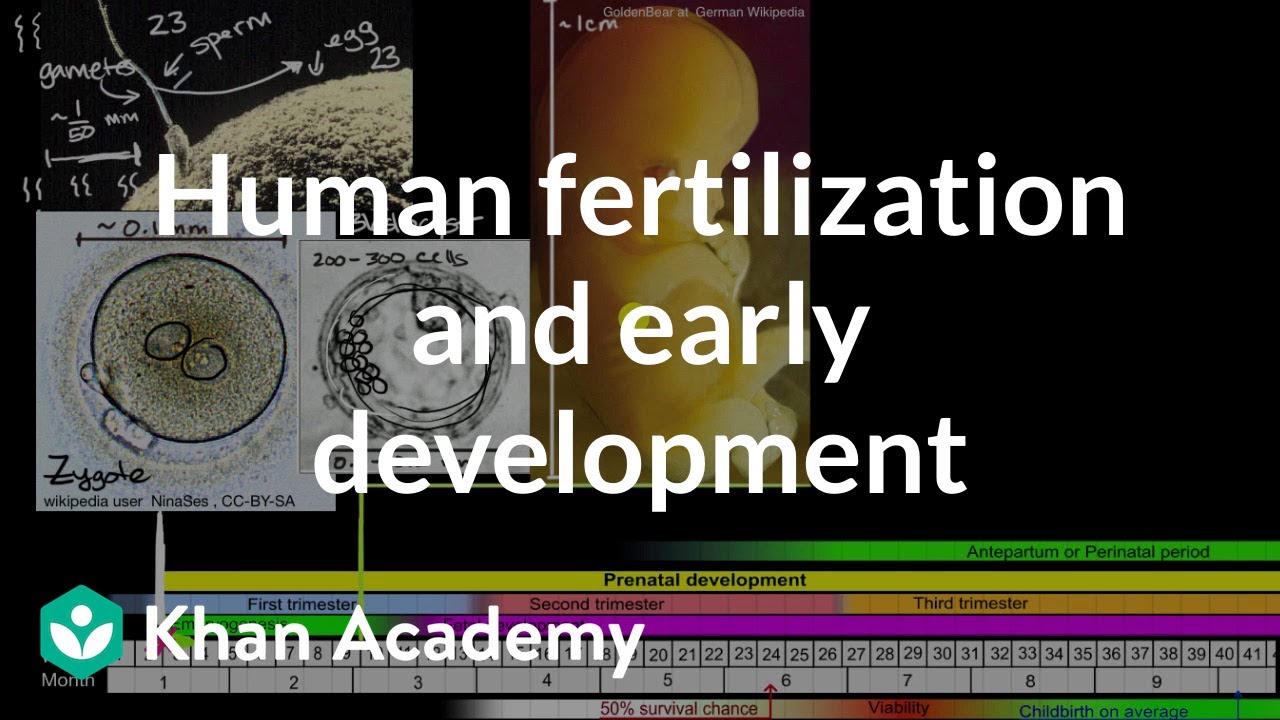
Human fertilization and early development | High school biology | Khan Academy

Menstruasi, Fertilisasi dan Proses kehamilan. #videopembelajaranipa @nova_scienceart9251

How Fertilization happens | 3D Animation

Harus Tau !! Proses Fertilisasi Pada Manusia
5.0 / 5 (0 votes)

