Introduction to the Atmosphere 2
Summary
TLDRThis video provides a comprehensive introduction to air pressure, exploring its relationship with temperature, elevation, and weather patterns. It explains how air pressure varies at different altitudes and how it influences wind, temperature, and weather conditions. The script covers local phenomena like sea and land breezes, explaining how temperature differences cause air to flow from areas of high to low pressure. The video also highlights global wind and pressure patterns, their effects on climate, and how ocean currents are driven by wind and temperature. A thorough understanding of these concepts is essential for grasping atmospheric dynamics.
Takeaways
- 😀 Air pressure is similar to water pressure: the deeper you go into the ocean or lower the elevation, the greater the pressure due to the weight of the air or water above.
- 😀 At lower elevations, you experience higher air pressure due to the weight of the air column above you, whereas higher elevations result in lower air pressure.
- 😀 A simple analogy for air pressure: A shorter person with a stack of books on their head experiences more weight (pressure) than a taller person with a similar stack reaching the ceiling.
- 😀 Isobars are lines on weather maps that connect points of equal pressure; closely spaced isobars indicate a steep pressure gradient, leading to stronger winds.
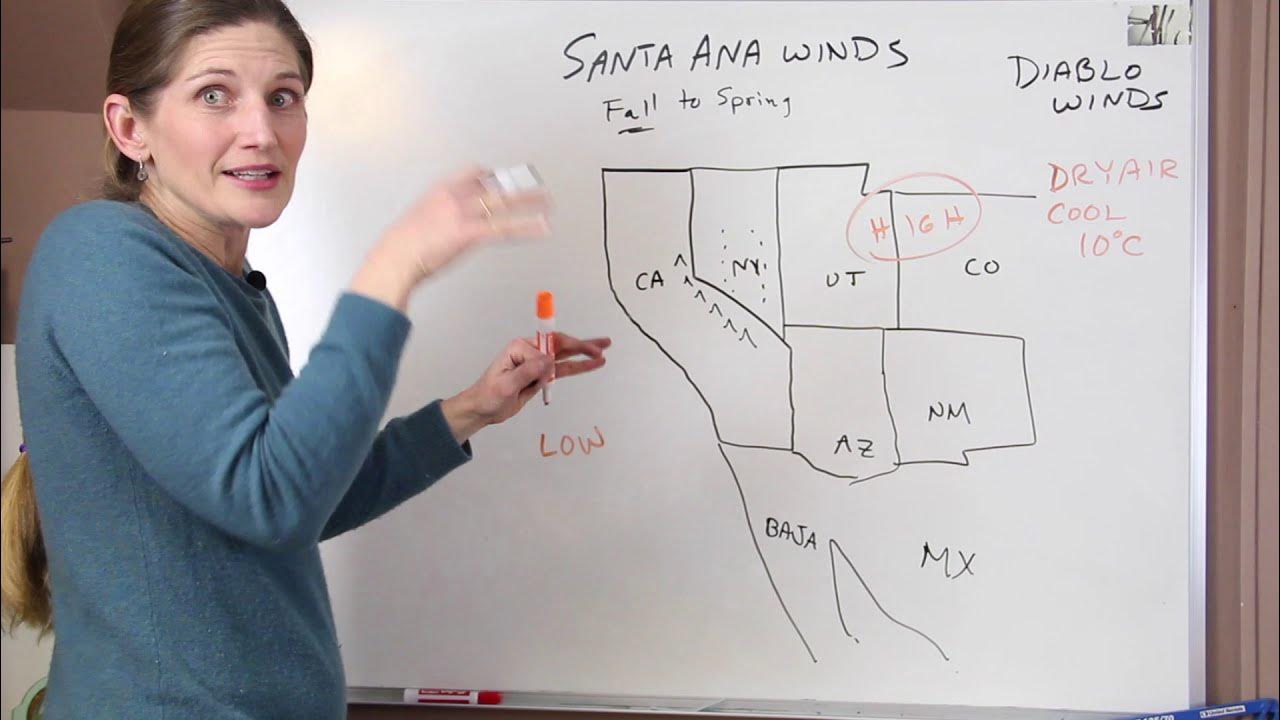
- 😀 Wind always flows from areas of high pressure to areas of low pressure. The steeper the pressure gradient, the faster the wind.
- 😀 Temperature and pressure are closely related: Cold air is denser and sinks, causing high pressure, while warm air rises, leading to low pressure and potential cloud formation.
- 😀 Low-pressure areas, often associated with warm air, are prone to cloud formation, cooler temperatures, and precipitation due to adiabatic cooling of rising warm air.
- 😀 High-pressure areas typically result in clear skies, warmer temperatures, and dry conditions as sinking cold air holds more moisture and prevents cloud formation.
- 😀 Sea breezes occur during the day when land heats up faster than the ocean, causing warm air to rise and create low pressure, drawing in cooler air from the ocean to the land.
- 😀 Land breezes happen at night when the land cools more quickly than the ocean, causing higher pressure over the land and lower pressure over the sea, leading to air flowing from the land to the sea.
Q & A
What is air pressure and how does it relate to elevation?
-Air pressure is the weight of the air above us. At lower elevations, there is more air on top, leading to higher pressure. At higher elevations, there is less air, which results in lower pressure.
How does air pressure at different elevations compare to a stack of books?
-Air pressure can be thought of like a stack of books on your head. If you are shorter, the stack is heavier, similar to how air pressure increases at lower elevations due to more air above.
What is the significance of isobars in weather maps?
-Isobars are lines that connect equal points of pressure on weather maps. They help indicate areas of high and low pressure, and their closeness can suggest the strength of wind—closer lines indicate stronger winds.
How does wind relate to areas of high and low pressure?
-Wind flows from areas of high pressure to areas of low pressure. The stronger the pressure difference (gradient), the stronger the wind. A steep pressure gradient leads to faster winds.
What are the effects of temperature on air pressure?
-Cold air is denser and sinks, leading to high pressure, while warm air is lighter and rises, creating low pressure. As air rises, it cools adiabatically, and as it sinks, it warms.
What is the relationship between pressure and weather conditions like clouds and precipitation?
-In low-pressure systems, warm air rises, cools, and may form clouds and precipitation. In high-pressure systems, the sinking cold air prevents cloud formation, leading to clearer skies and dry weather.
What causes a sea breeze, and when is it typically strongest?
-A sea breeze occurs when cooler air from the ocean moves inland to replace the rising warm air over the land. It is typically strongest in the late afternoon when the land has heated up the most.
How does a land breeze form, and when is it most noticeable?
-A land breeze forms overnight when the land cools faster than the water, creating high pressure over the land and low pressure over the water. It is most noticeable in the early morning, around 4-6 AM.
How do global wind and pressure belts influence local weather patterns?
-Global wind and pressure belts create consistent wind patterns that affect local weather. For example, the westerlies between 30° and 60° latitude bring winds from west to east, impacting the climate in places like California.
What role do ocean currents play in global temperature distribution?
-Ocean currents are driven by global winds and pressure systems. Warm currents flow toward the poles and cool currents move toward the equator, helping to balance the Earth's temperature by redistributing heat.
Outlines

此内容仅限付费用户访问。 请升级后访问。
立即升级Mindmap

此内容仅限付费用户访问。 请升级后访问。
立即升级Keywords

此内容仅限付费用户访问。 请升级后访问。
立即升级Highlights

此内容仅限付费用户访问。 请升级后访问。
立即升级Transcripts

此内容仅限付费用户访问。 请升级后访问。
立即升级


5.0 / 5 (0 votes)

