SYEKH ABDUL RAUF AS-SINGKILI | ULAMA ACEH, AHLI TAFSIR & TASAWUF
Summary
TLDRSyekh Abdul Rauf Asingkili, a prominent scholar from Aceh in the 17th century, left a profound impact on Islam in the Nusantara region. Born in Singkil, he pursued religious studies in Aceh, Makkah, and Madinah, eventually becoming a revered teacher and mufti. Known for his balanced approach to Islamic teachings, he integrated Sufism with Islamic law, emphasizing ethical behavior and humility. His influential writings, including the 'Tarjuman Almustafid,' and his role in establishing educational institutions cemented his legacy. A respected figure for his piety and wisdom, his teachings continue to inspire generations of Muslims across Southeast Asia.
Takeaways
- 😀 Syekh Abdul Rauf Asingkili was a distinguished scholar from Aceh whose knowledge connected the Islamic world from Nusantara to Makkah and Madinah.
- 😀 Born in Singkil, Aceh in the early 17th century, he grew up in a community with strong Islamic traditions, influenced by scholars and Muslim traders from various parts of the world.
- 😀 From a young age, Syekh Abdul Rauf showed remarkable intelligence, mastering the Quran, religious teachings, and Islamic sciences like fiqh, tauhid, and Ilmu Alat.
- 😀 He left his hometown to pursue further knowledge, studying in Aceh’s intellectual hub before embarking on a transformative journey to Makkah and Madinah.
- 😀 He spent nearly 20 years in Makkah and Madinah, learning from prominent scholars, including Syekh Ahmad Alquyasi and Syekh Ibrahim Alqaroni, deepening his expertise in Quranic exegesis, Hadith, and Sufism.
- 😀 Upon returning to Aceh, he was greeted with respect and quickly became a key figure in the region’s Islamic scholarship, becoming a Mufti and teaching various branches of Islamic knowledge.
- 😀 Syekh Abdul Rauf's approach to teaching emphasized balance between outward worship and inner purification (tasawuf), deeply influencing Aceh and beyond.
- 😀 He authored major works, including *Tarjuman Almustafid*, a Quranic exegesis in Malay that became a key reference in Nusantara for its clear, accessible language and deep adherence to traditional scholarly principles.
- 😀 His works also covered Islamic jurisprudence and tasawuf, especially *Mirat Altulab*, a practical fiqh guide for Aceh’s Muslim community, focusing on everyday life and social matters.
- 😀 He emphasized that a true Sufi should adhere to Shari'ah, avoiding extremism and ensuring that spirituality and law work in harmony, thus contributing to the moderation of Islam in Nusantara.
- 😀 Syekh Abdul Rauf's legacy lived on through his students, including notable figures like Syekh Burhanuddin of Minangkabau, who spread Islamic teachings across the region. His influence continues through his writings and the institutions that followed his educational model.
Q & A
Who was Syekh Abdul Rauf Asingkili?
-Syekh Abdul Rauf Asingkili was a prominent Islamic scholar and sufi from Aceh. He was a leading figure in Quranic exegesis, hadith, fiqh, and tasawuf. His influence extended across the Nusantara region, from Aceh to Makkah and Madinah.
Where was Syekh Abdul Rauf Asingkili born?
-Syekh Abdul Rauf was born in Singkil, a coastal town in Aceh, around the early 17th century. This region had long been a hub for Islamic trade and scholarship.
What made Singkil, Aceh, a significant place for Syekh Abdul Rauf's upbringing?
-Singkil was not just a fishing village but a central point for Muslim scholars and traders from Arabia, India, and Southeast Asia. This environment shaped Abdul Rauf’s early education and spiritual development.
What motivated Syekh Abdul Rauf to leave Aceh for further study?
-Syekh Abdul Rauf was eager to deepen his knowledge of Islam. Although he had studied extensively in Aceh, he sought broader knowledge from the great scholars in Makkah and Madinah, especially in tafsir, hadith, and tasawuf.
How long did Syekh Abdul Rauf study in Makkah and Madinah?
-Syekh Abdul Rauf spent almost 19 years in Makkah and Madinah, where he learned directly from notable scholars, including Syekh Ahmad Alquyasi and Syekh Ibrahim Alqaroni.
What was Syekh Abdul Rauf's approach to teaching?
-Syekh Abdul Rauf’s teaching style emphasized a balanced approach, combining deep knowledge of Islamic law with spiritual purification. His teachings were marked by humility, clarity, and adherence to both the outward practices and inner spiritual growth of Islam.
What major work did Syekh Abdul Rauf produce, and why was it significant?
-One of Syekh Abdul Rauf's major works was *Tarjuman Almustafid*, a Quranic exegesis written in Malay. This was the first complete tafsir in the region, making the Quran more accessible to the general Malay-speaking population while preserving its deep meanings.
What role did Syekh Abdul Rauf play in Aceh after returning from his studies?
-Upon returning to Aceh, Syekh Abdul Rauf became a mufti of the kingdom, where he provided religious guidance, issued fatwas, and contributed to the moral and educational development of the region. He also mentored many students who later spread his teachings.
What was Syekh Abdul Rauf's perspective on tasawuf?
-Syekh Abdul Rauf taught a form of tasawuf (Sufism) that emphasized adherence to Islamic law (syariat) while focusing on spiritual purification. He rejected any practices that deviated from the foundational teachings of Islam and always stressed the importance of both outward and inward piety.
How did Syekh Abdul Rauf influence the spread of Islam in Nusantara?
-Through his writings, teachings, and network of students, Syekh Abdul Rauf played a crucial role in spreading Islam throughout Nusantara. His students, such as Syekh Burhanuddin Ulakan, took his teachings to Sumatra, Java, and the Malay Peninsula, establishing a lasting legacy.
What values did Syekh Abdul Rauf emphasize in his teachings and life?
-Syekh Abdul Rauf emphasized the importance of sincerity, humility, patience, and adherence to the principles of Islamic law. He believed in the transformative power of knowledge, combined with good character and adherence to moral values. His life was marked by simplicity, focusing on worship and service to the community.
Outlines

此内容仅限付费用户访问。 请升级后访问。
立即升级Mindmap

此内容仅限付费用户访问。 请升级后访问。
立即升级Keywords

此内容仅限付费用户访问。 请升级后访问。
立即升级Highlights

此内容仅限付费用户访问。 请升级后访问。
立即升级Transcripts

此内容仅限付费用户访问。 请升级后访问。
立即升级浏览更多相关视频

4 ulama Aceh yang sangat berpengaruh❗
Meneladani Jejak Langkah Ulama Indonesia yang Mendunia by Kelompok 4
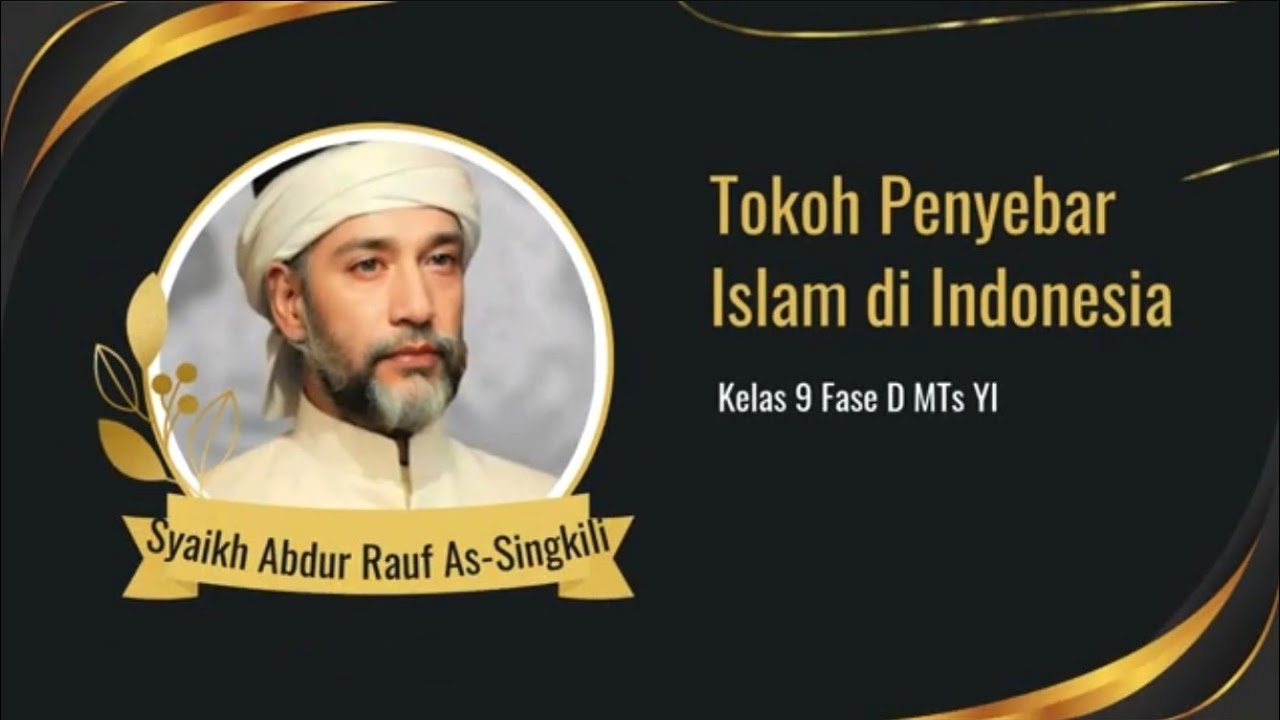
Tokoh Penyebar Islam di Nusantara: Syaikh Abdur Rauf As-Singkili
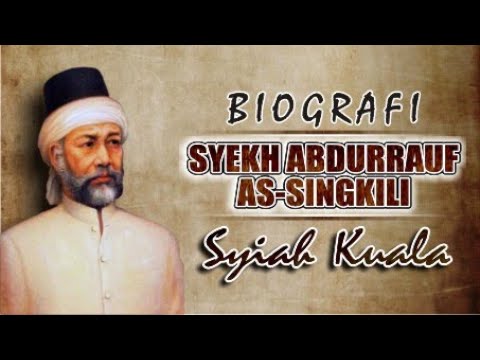
BIOGRAFI SYEKH ABDUR RAUF AS SINGKILI
Sejarah Pemikiran Ekonomi Islam di Indonesia

Biografi Syekh Ahmad Khatib Sambas 1803-1875 M | Guru para Ulama Nusantara
5.0 / 5 (0 votes)

