Ecotourism in the Philippines
Summary
TLDREcotourism in the Philippines focuses on preserving natural resources and promoting sustainable tourism. By involving local communities, it offers activities like wildlife watching, trekking, and island hopping while minimizing environmental impact. Ecotourism also strengthens local livelihoods and fosters cultural exchange between locals and tourists. The key to success lies in empowering communities to manage their resources, providing opportunities for education, and ensuring long-term conservation. Ecotourism promotes responsible travel, encouraging tourists to contribute to sustainability efforts and preserve the environment for future generations.
Takeaways
- 😀 The Philippines has abundant natural resources and a rich cultural history that serve as the foundation for ecotourism.
- 🌿 Ecotourism aims to preserve nature through the active involvement of local communities.
- 🏞️ Ecotourism sites are primarily nature-oriented, located away from urban areas.
- 🐒 Ecotourism activities include wildlife watching, trekking, island hopping, and more.
- 🌍 The goal of ecotourism is to minimize negative environmental impacts and contribute to biodiversity conservation.
- 💡 In addition to environmental conservation, ecotourism focuses on community involvement and empowerment.
- 🤝 Locals are given control over what happens in their communities, fostering a sense of ownership and unity.
- 💼 Ecotourism helps strengthen local livelihoods and allows locals to share their knowledge with tourists.
- 📚 Tour operators and guides play an essential role in educating tourists about local culture, history, and sustainability.
- 🌱 Ecotourism encourages responsible tourism that contributes to sustainability and environmental conservation for future generations.
Q & A
What is ecotourism, and how does it benefit the Philippines?
-Ecotourism in the Philippines is focused on preserving the country's natural resources and rich cultural heritage. It benefits the country by involving local communities in tourism, helping to conserve the environment, and promoting sustainable tourism practices that contribute to biodiversity conservation.
How does ecotourism in the Philippines minimize environmental impact?
-Ecotourism minimizes environmental impact by promoting nature-oriented activities that avoid urban areas. These activities, such as wildlife watching, trekking, and island hopping, are designed to be eco-friendly and reduce harm to the environment while still allowing tourists to enjoy the natural beauty of the area.
What role do local communities play in ecotourism?
-Local communities play a central role in ecotourism by being actively involved in the planning and management of tourism activities. They have control over what happens in their communities, which fosters a sense of ownership and encourages their commitment to sustainable tourism practices.
What are some activities commonly offered in ecotourism sites in the Philippines?
-Common ecotourism activities in the Philippines include wildlife watching, trekking, island hopping, and other outdoor adventures that allow tourists to connect with nature and experience the environment without damaging it.
What is the primary goal of ecotourism in the Philippines?
-The primary goal of ecotourism in the Philippines is to preserve the natural environment and cultural heritage while promoting sustainable tourism practices. It aims to minimize negative environmental impacts and enhance the local community's involvement in conservation efforts.
How does ecotourism strengthen local livelihoods?
-Ecotourism strengthens local livelihoods by providing job opportunities for locals and generating income through tourism-related activities. This helps communities improve their economic conditions while maintaining their commitment to environmental and cultural conservation.
How does ecotourism contribute to local culture and knowledge sharing?
-Ecotourism offers locals an opportunity to share their cultural knowledge with tourists. Local guides and operators educate visitors on the history, culture, and natural wonders of their region, fostering a deeper connection and understanding between tourists and the local community.
Why is the role of tour operators and guides so important in ecotourism?
-Tour operators and guides are vital in ecotourism as they facilitate the learning experience for tourists. They ensure that visitors gain insights into local culture, history, and environmental conservation practices, helping them understand how they can contribute to sustainability efforts.
What lessons can tourists take home from ecotourism experiences?
-Tourists can take home valuable lessons about sustainable practices, environmental conservation, and how to minimize their impact on the natural world. They also learn about the importance of respecting local cultures and contributing positively to the places they visit.
What does ecotourism teach us about our responsibility toward future generations?
-Ecotourism teaches us that we must be mindful of the environment and our actions, as the health of our planet directly affects future generations. It encourages responsible tourism that ensures the preservation of natural resources for years to come.
Outlines

此内容仅限付费用户访问。 请升级后访问。
立即升级Mindmap

此内容仅限付费用户访问。 请升级后访问。
立即升级Keywords

此内容仅限付费用户访问。 请升级后访问。
立即升级Highlights

此内容仅限付费用户访问。 请升级后访问。
立即升级Transcripts

此内容仅限付费用户访问。 请升级后访问。
立即升级浏览更多相关视频

Department of Tourism's "A path towards sustainability: Sustainable tourism in the next 6 years."

History of Tourism and Hospitality in the Philippines
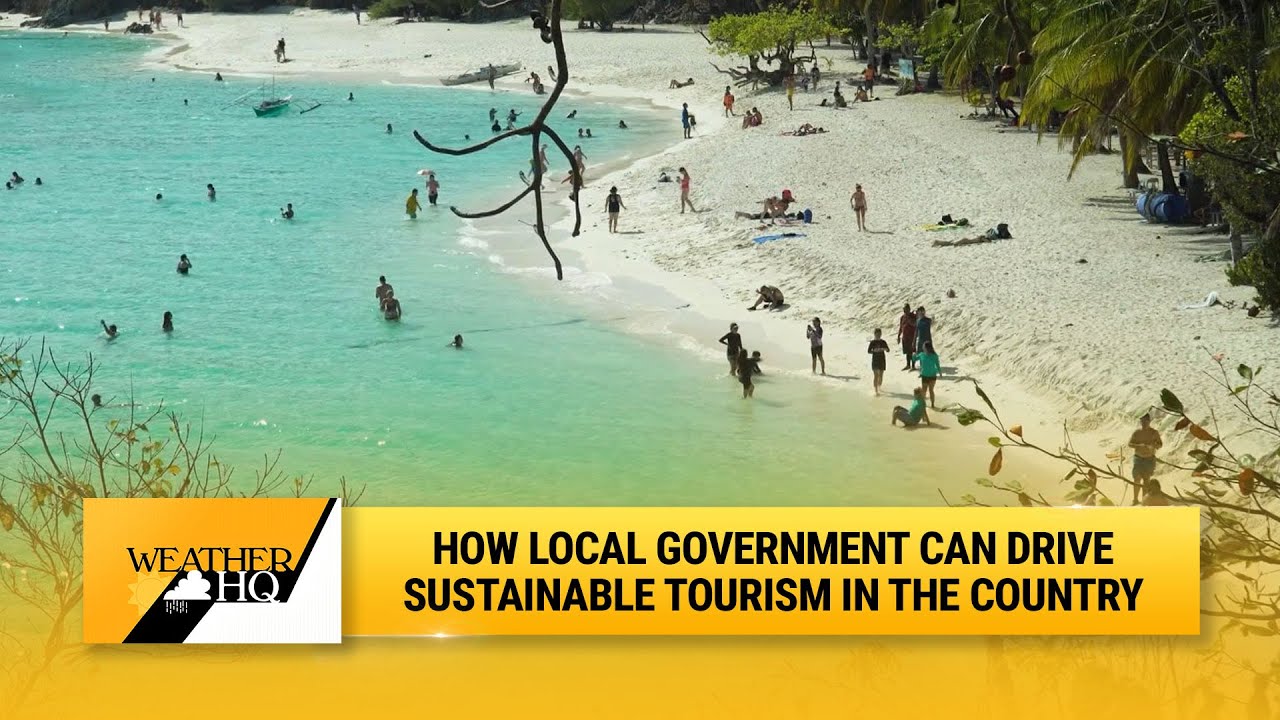
How local government can drive sustainable tourism in the country | (Part 2/2) | Weather HQ

Indonesia Membangun Harmoni Gunung Api Purba Nglanggeran

What is Ecotourism? Why is it important.

Philippines Tourism on the Rise! What is the Future of Tourism in the Philippines?
5.0 / 5 (0 votes)

