Which Country Makes The Best Electrical Outlet?
Summary
TLDRIn this video, the speaker explores Japan's unique electrical system, focusing on the widespread use of Type A outlets without grounding, a feature uncommon in most modern electrical systems. Despite Japan's technological advancements, most outlets lack a ground pin, relying instead on Residual Current Devices (RCDs) to detect electrical faults. The video delves into the historical reasons behind Japan's 100-volt, non-grounded system, and compares it with the safety features of grounded outlets and GFCIs used in other countries. The speaker concludes that Japan’s system, while cost-effective, could benefit from modern safety improvements.
Takeaways
- 😀 Japan predominantly uses Type A plugs, which lack a ground pin, unlike the Type B plugs common in the US.
- 😀 Type B plugs have an earth pin for safety, preventing electrical faults from affecting appliances and people.
- 😀 Japan uses 100V as its standard electrical voltage, making it unique compared to most countries that use 220-240V.
- 😀 The absence of a ground pin in most Japanese outlets is mitigated by a safety mechanism called Residual Current Devices (RCDs).
- 😀 RCDs in Japan detect differences in the incoming and outgoing current, ensuring safety by shutting down if there’s an imbalance.
- 😀 In contrast to RCDs, Ground Fault Circuit Interrupters (GFCIs) are common in the US and trip at a lower threshold (5 milliamps) for faster protection.
- 😀 RCDs have a higher trip threshold (30 milliamps) and a slower response time (40 milliseconds), which may be less effective in protecting vulnerable individuals.
- 😀 Japan's electrical system is built on cost-saving principles, choosing 100V for safety, though it doesn’t provide the same level of protection as systems with ground pins.
- 😀 Japan's adoption of 100V was influenced by historical choices made in the late 19th century, importing technologies from both the US and Germany.
- 😀 Japan does not use GFCIs widely due to its 100V system, believing the lower voltage offers sufficient safety, but RCDs are employed instead for fault detection.
Q & A
Why do most outlets in Japan use Type A plugs without a ground pin?
-Japan historically adopted the two-prong Type A plug system and never made grounded outlets mandatory in most situations. Updating the entire country’s infrastructure would be extremely costly, so the ungrounded standard remains common today.
What is the main difference between Type A and Type B plugs?
-Type B plugs include a third prong for grounding (earth), while Type A plugs only have two flat prongs for live and neutral connections and provide no direct ground path.
Why is grounding important in electrical systems?
-Grounding provides a safe path for fault current to travel, helping prevent electric shock, protecting electronics from damage, and reducing the risk of electrical fires caused by arcing.
How does Japan compensate for the lack of grounding in many outlets?
-Japan widely uses Residual Current Devices (RCDs), which monitor the difference between outgoing and returning current. If a leak is detected—such as current flowing through a person—the power is quickly shut off.
What is an RCD and how does it work?
-An RCD (Residual Current Device) compares the current flowing into a circuit with the current returning. If there is a mismatch, indicating leakage or a fault, it disconnects the power to reduce the risk of shock.
How are RCDs different from GFCIs used in the United States?
-GFCIs (Ground Fault Circuit Interrupters) typically trip at lower leakage currents (around 5 mA) and react faster than many whole-home RCDs, which often trip at about 30 mA. GFCIs are usually installed at individual outlets or branch circuits rather than covering an entire home.
Why are GFCIs considered safer for vulnerable individuals?
-Because GFCIs trip at lower current levels and faster speeds, they reduce the risk of dangerous electric shock, especially for children, the elderly, or people with heart conditions.
What voltage does Japan use, and how is it unique?
-Japan uses 100 volts, making it the only country in the world with this standard household voltage. Most other countries use either 110–127 volts or 220–240 volts.
Why did Japan end up with both 50 Hz and 60 Hz power frequencies?
-In the late 1800s, Japan imported electrical equipment from both Germany (50 Hz) and the United States (60 Hz). Eastern Japan adopted 50 Hz, while western Japan adopted 60 Hz, and this split remains today.
Does lower voltage automatically mean a safer electrical system?
-Lower voltage can reduce shock severity in some situations, but it does not eliminate risk. Proper grounding and fast-acting protection devices are still important for preventing injury and equipment damage.
Why hasn’t Japan upgraded to grounded outlets and widespread GFCI-style protection?
-The main reason is cost and practicality. Rewiring millions of buildings and replacing infrastructure would require massive investment and long-term disruption, similar to why some countries hesitate to change other deeply established standards.
What are some advantages of whole-home RCD systems?
-They provide broad protection for the entire electrical installation and are generally cheaper to implement than installing individual protection devices on many separate circuits.
What are some disadvantages of whole-home RCD systems?
-If an RCD trips, power can be lost to the entire home, making it harder to locate the problem. They also typically respond at higher current thresholds than outlet-level GFCIs.
How do Japanese appliances that require grounding handle it?
-Some devices use a separate grounding wire with a forked or ring terminal that can be attached to a grounding screw on certain outlet plates, providing an external ground connection.
Which plug types are mentioned as safer than Type A or B, and why?
-The British Type G and the European Type F (Schuko) plugs are highlighted as safer due to their robust grounding design, recessed contacts, and overall construction that reduces the chance of accidental shock.
Outlines

此内容仅限付费用户访问。 请升级后访问。
立即升级Mindmap

此内容仅限付费用户访问。 请升级后访问。
立即升级Keywords

此内容仅限付费用户访问。 请升级后访问。
立即升级Highlights

此内容仅限付费用户访问。 请升级后访问。
立即升级Transcripts

此内容仅限付费用户访问。 请升级后访问。
立即升级浏览更多相关视频
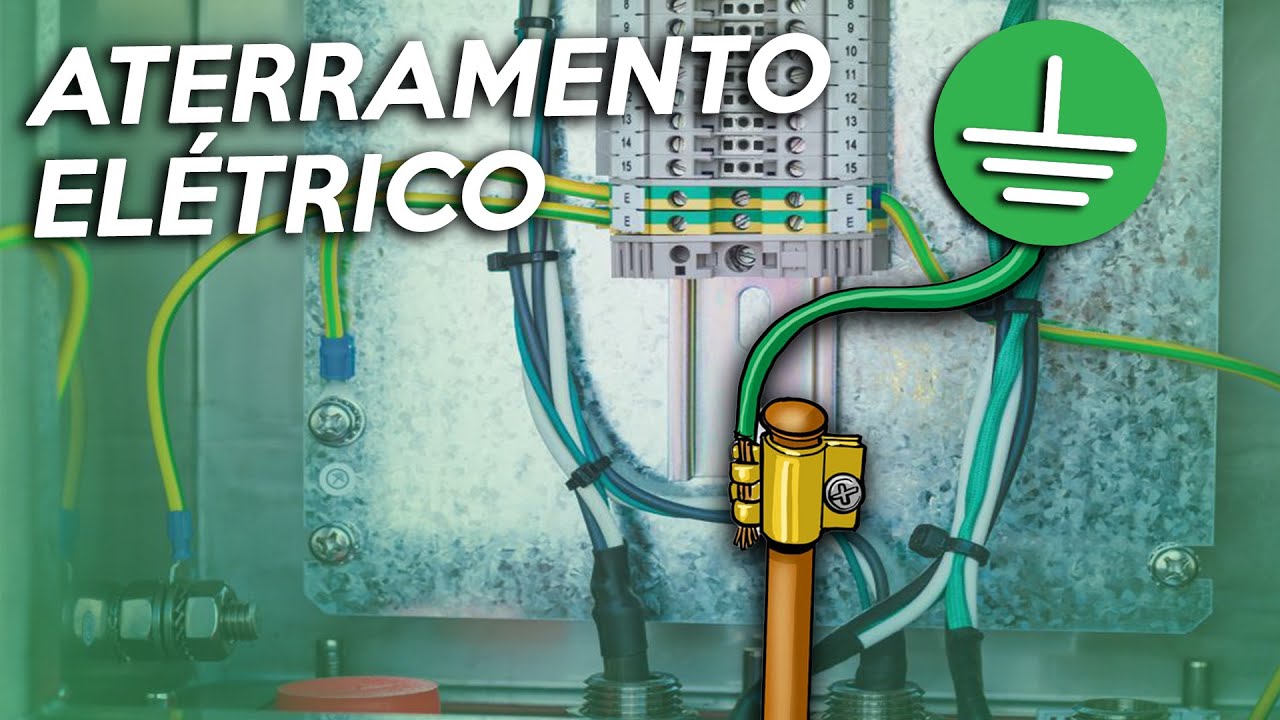
How does ELECTRICAL GROUNDING WORK? What is ELECTRICAL GROUNDING?

Для чего разделяют PEN проводник на PE и N? Почему после разделения нельзя соединять PE и N?
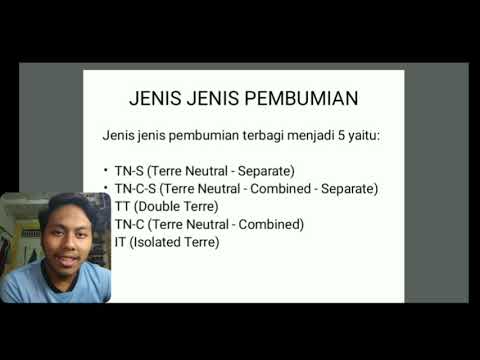
Materi mudah tentang GROUNDING / PENTANAHAN

RAF Modul5 ILB
Tipos de Corriente Eléctrica (Haciendo un diagrama básico)...

Yuk belajar manuver di Gardu Induk
5.0 / 5 (0 votes)

