Ex-Google Recruiter Explains Why "Lying" Gets You Hired
Summary
TLDRThis video breaks down nine common job interview questions and provides strategic answers that position you as a strong candidate. Rather than focusing on absolute honesty, the advice emphasizes framing your responses to highlight your value and align with what hiring managers are looking for. From handling the 'How are you?' question with positive energy to owning your accomplishments regardless of titles, the key takeaway is to approach interviews as mutual conversations where both parties have something to offer. By strategically navigating these questions, you can present yourself as the ideal candidate without feeling dishonest.
Takeaways
- 😀 The interview starts the moment you walk into the room—regulate your energy and keep it positive, even in small talk.
- 😀 When asked 'Why do you want to work here?', focus on what you can contribute, not what you want to gain.
- 😀 In response to 'Where do you see yourself in 5 years?', show commitment to the role and avoid mentioning plans to leave or move into leadership prematurely.
- 😀 When asked why you're looking for a new opportunity, avoid negativity about your current job—frame it as a desire for growth and new challenges.
- 😀 Be cautious about criticizing your current manager—focus on what you've learned from them, even if the experience wasn't ideal.
- 😀 Your hobbies can set you apart—choose ones that show curiosity, engagement, or creativity, rather than generic answers.
- 😀 Don't undersell your experience—if you've been doing work above your title, own it and communicate your value accurately.
- 😀 Resume gaps aren't a deal-breaker—handle them confidently and explain how you've stayed productive during the time off.
- 😀 Always have questions ready for the interviewer—this shows you're engaged and thinking about the role long-term.
- 😀 Interviews are not about being brutally honest, but strategically honest—tailor your answers to the context and what's expected.
Q & A
Why is the 'How are you?' question so important in an interview?
-The 'How are you?' question is not just small talk; it serves as an audition for how you will show up on tough days at work. Hiring managers want to see if you can regulate your energy and maintain a positive attitude, even when things aren’t going perfectly.
How should you answer the question, 'Why do you want to work here?'
-Instead of focusing on what you want from the company, shift the focus to what you can offer. Frame your response to show how you can help solve a problem or contribute to the team’s goals. This demonstrates that you’re there to contribute, not just take from the company.
What is the real reason interviewers ask, 'Where do you see yourself in 5 years?'
-Interviewers aren’t actually interested in your long-term career goals. They want to know if you’re likely to stay in the role or if you’re already planning to leave soon. They also want to gauge if your goals align with the role, to avoid future dissatisfaction or turnover.
What’s the best way to answer, 'Why are you looking for a new opportunity?'
-Avoid speaking negatively about your current employer, even if it’s true. Instead, emphasize the positive aspects of your current role, show that you’ve learned and grown, and then mention that you’re ready for a new challenge.
Why should you be cautious when discussing your current manager during an interview?
-Even if your current manager’s style doesn't suit you, avoid criticizing them in the interview. The person interviewing you might have a similar management style, or they might know your current boss. Negative comments about your manager could jeopardize your chances.
How can hobbies impact the way you're perceived in an interview?
-Your hobbies can show qualities like curiosity, patience, and engagement with life outside of work. Instead of saying generic things like watching TV, share hobbies that are more memorable, such as learning a new language, baking, or building something, which indicate you have valuable personal attributes.
How should you talk about your job title and responsibilities, especially if you’ve been doing work above your pay grade?
-Don’t undersell yourself. If you’ve been handling responsibilities beyond your official job title, make sure to claim them. Accurately describe the work you’ve done, even if it wasn’t reflected in your official title, as this shows the value you’ve contributed.
How should you address resume gaps during an interview?
-If there’s a gap on your resume, it’s already been noticed, so don’t make it awkward. Be confident and matter-of-fact when addressing it. Whether it was for personal reasons, further education, or a layoff, explain what you did during the gap and how it prepares you to succeed in the role you’re interviewing for.
What is the significance of asking questions at the end of an interview?
-Asking thoughtful questions shows your genuine interest in the role and company. It also demonstrates that you’re thinking beyond just getting through the interview. Asking questions about the role’s challenges or team dynamics can leave a positive impression and indicate your proactive mindset.
How can you differentiate between being 'honest' and providing a 'strategic answer' in an interview?
-An interview isn’t about being the most honest person in the room; it’s about being strategic with your answers. You can still tell the truth while framing it in a way that aligns with what the interviewer wants to hear, making sure your answers serve the conversation and reflect your strengths.
Outlines

此内容仅限付费用户访问。 请升级后访问。
立即升级Mindmap

此内容仅限付费用户访问。 请升级后访问。
立即升级Keywords

此内容仅限付费用户访问。 请升级后访问。
立即升级Highlights

此内容仅限付费用户访问。 请升级后访问。
立即升级Transcripts

此内容仅限付费用户访问。 请升级后访问。
立即升级浏览更多相关视频

FAST-FOOD INTERVIEW QUESTIONS & ANSWERS! (How to PASS a Fast-Food Job Interview!)
PURCHASING Interview Questions & Answers! (Purchasing Officer, Manager & Assistant Interviews!)

Job Interview Conversation - Interview Question and Answers in English

PhD Interview Questions + Answers | How To Pass Your PhD Interview
SALES REPRESENTATIVE Interview Questions & Answers! (How to PASS a Sales Rep Job Interview!)
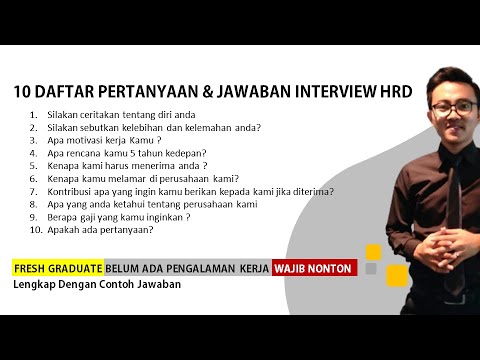
Answers to job interview questions | job interview questions and answers | fresh graduates
5.0 / 5 (0 votes)

