How Motorcycles Work - The Basics
Summary
TLDRThis video explores the intricate engineering behind modern motorcycles, breaking down the key components that keep the engine running smoothly. It explains how motorcycles start using either a Kickstarter or self-starter, the role of the one-way clutch, and the high-voltage ignition system involving the stator, CDI unit, and ignition coil. The video also covers valve timing, crankshaft operation, and counterbalance mechanisms that reduce vibration, along with the clutch and transmission system that manage power delivery and torque. Overall, it offers a clear, step-by-step insight into how mechanical and electrical systems work together to make motorcycles powerful, efficient, and reliable.
Takeaways
- 😀 Motorcycles today are marvels of engineering, with intricate parts working together for smooth operation.
- 😀 Motorcycles can be started using a Kickstarter or a self-starter, both of which engage the engine differently.
- 😀 The Kickstarter mechanism engages a freewheeling gear on the main shaft, transferring power to the crankshaft.
- 😀 A self-starter uses a battery-powered motor to spin the engine, and a one-way clutch disengages the starter motor once the engine is running.
- 😀 The one-way clutch ensures the starter motor disengages when the crankshaft spins faster than the motor.
- 😀 Motorcycle engines use spark plugs that require a high voltage (over 20,000 volts) to ignite the air-fuel mixture.
- 😀 The voltage for ignition is supplied by the stator, which works with the flywheel's permanent magnets to generate alternating current.
- 😀 The exciter coil, part of the stator, produces higher voltage specifically for ignition purposes.
- 😀 The CDI (Capacitive Discharge Ignition) unit stores electric charge and dumps it to the ignition system when needed, triggered by a pickup coil.
- 😀 The ignition coil further amplifies the voltage to as much as 200 times to fire the spark plug effectively.
- 😀 The engine’s timing and smooth operation are supported by components like the timing chain and counterbalance in single-cylinder engines.
Q & A
What are the two main ways a motorcycle engine can be started?
-A motorcycle engine can be started using either a Kickstarter lever or a self-starter motor, and some motorcycles have both options.
How does the Kickstarter mechanism transfer power to start the engine?
-When the Kickstarter lever is pressed, a helical spline forces a gear to engage with a freewheeling gear on the main shaft. The gear then spins on its axis, transferring power to the clutch hub, which drives the crankshaft and starts the engine.
What is the function of the one-way clutch in a self-starter system?
-The one-way clutch allows the starter motor to spin the crankshaft initially and then disengages when the engine runs faster than the starter motor, preventing damage from excessive speed.
Why do motorcycle spark plugs require very high voltage?
-Spark plugs require voltage above 20,000 volts to properly ignite the air-fuel mixture inside the engine for combustion.
How does the stator and flywheel combination produce voltage for ignition?
-The stator is a stationary coil, and the flywheel has permanent magnets. As the flywheel rotates around the stator, it generates alternating current in the stator coils, which can be used for ignition or other electrical needs.
What role does the Capacitive Discharge Ignition (CDI) unit play in the ignition system?
-The CDI unit stores electric charge in a capacitor and releases it at the right moment, as triggered by the pickup coil, to send high voltage to the ignition coil and fire the spark plug.
How does the pickup coil determine the timing for the spark plug?
-The pickup coil has a small magnet and wire coil. As the flywheel passes by its extrusion, a small voltage is generated, signaling the CDI unit to release the stored charge at the correct timing.
What is the purpose of the ignition coil in the motorcycle engine?
-The ignition coil acts as a step-up transformer, increasing the voltage from the CDI unit up to 200 times, which is sufficient to fire the spark plug and ignite the fuel mixture.
How are the intake and exhaust valves of a motorcycle engine controlled?
-The intake and exhaust valves are controlled using a timing chain connected to the crankshaft, ensuring proper opening and closing during the engine's operation.
Why do single-cylinder motorcycle engines use a counterbalance?
-Single-cylinder engines generate vibration due to unbalanced forces. A counterbalance helps reduce this vibration for smoother operation.
What is the role of the clutch in a motorcycle's power transmission?
-The clutch allows smooth transfer of power from the crankshaft to the transmission, enabling controlled acceleration and deceleration.
How does the transmission system affect a motorcycle's performance?
-The transmission system allows the rider to alter the engine's speed and torque according to the requirements, providing flexibility in power delivery and efficiency.
Outlines

此内容仅限付费用户访问。 请升级后访问。
立即升级Mindmap

此内容仅限付费用户访问。 请升级后访问。
立即升级Keywords

此内容仅限付费用户访问。 请升级后访问。
立即升级Highlights

此内容仅限付费用户访问。 请升级后访问。
立即升级Transcripts

此内容仅限付费用户访问。 请升级后访问。
立即升级浏览更多相关视频
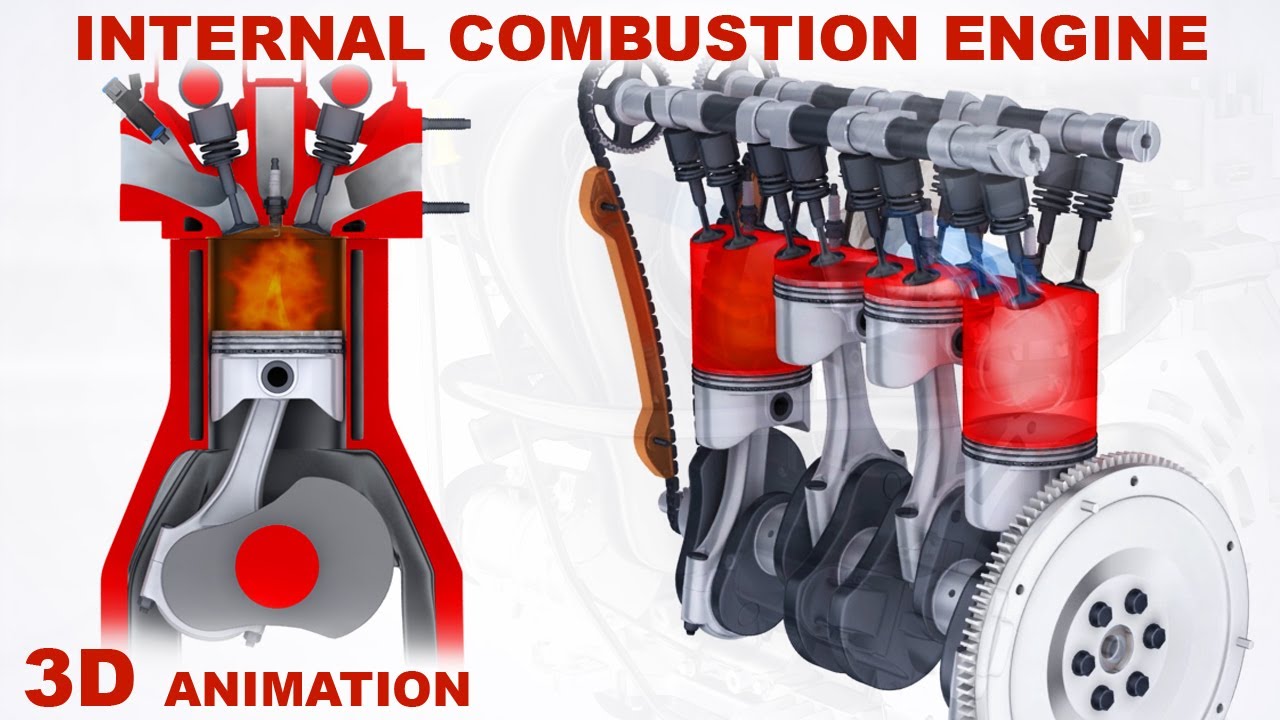
How car engine works? / 4 stroke internal combustion engine (3D animation)
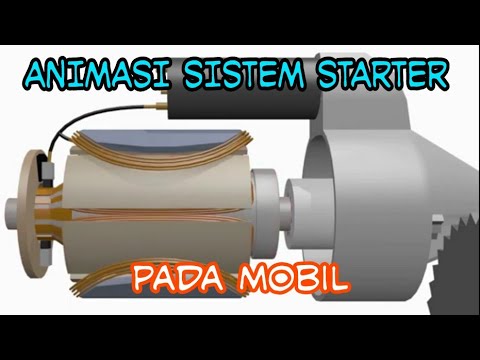
Cara Kerja Motor Starter Mobil Paling Gampang Dipahami

Hukum Kirchhoff

MARUTI CIAZ KI SERVICE MAINTENANCE,PROBLEMS,USED CAR BUYING GUIDE
How Industrial Valves Are Made in Factory | Valve Manufacturing Process

Bagaimana Komponen pada Komputer Bekerja? 🖥 Mari Bongkar Semua Hardware pada PC
5.0 / 5 (0 votes)

