Food Theory: Expiration Dates DON'T Mean What You Think...
Summary
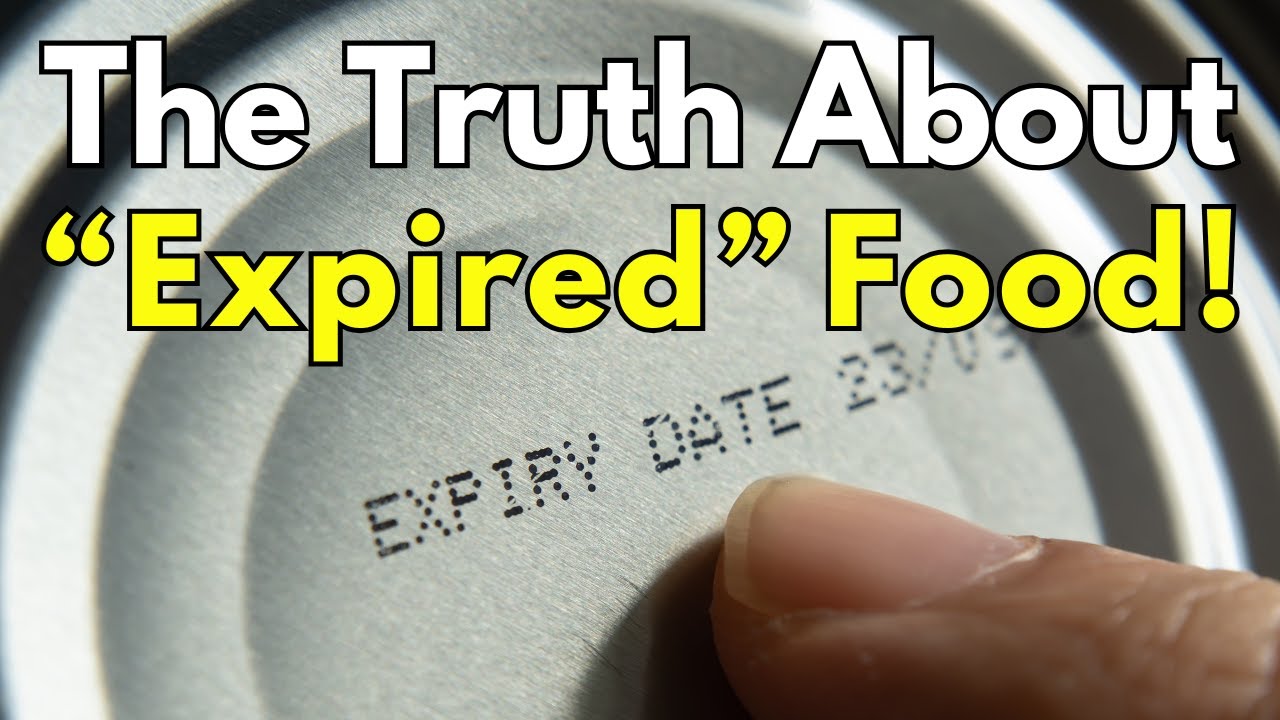
TLDRExpiration dates on food are often misleading and not about safety, but rather quality. Despite seeming like a way to keep consumers safe, they actually lead to unnecessary food waste, with many products still safe to eat long after the date has passed. The practice began as a marketing strategy in the 1970s and has evolved to encourage consumers to buy more food, even if it's not necessary. With food waste being a massive issue, it's important to use our senses to judge whether food is still good, and rely on proper storage methods, rather than arbitrary dates.
Takeaways
- 😀 Expiration dates on food are often misleading and aren't necessarily indicators of safety or spoilage.
- 😀 Foods with expiration dates are primarily about quality, not safety. The food may still be safe past the date but lose its freshness.
- 😀 There’s no universal standard for how expiration dates are determined. Companies set their own dates, often erring on the side of caution.
- 😀 Items like honey, vinegar, dried beans, and soy sauce can last indefinitely when stored correctly.
- 😀 Expiration dates are mostly a marketing tool. Companies use them to encourage customers to buy products before they believe they're 'expired.'
- 😀 The practice of expiration dates began in the 1950s, initially as an honest attempt to indicate when food would spoil.
- 😀 In the 1990s, companies like Pepsi used expiration dates as a marketing tactic, pushing customers to consume products by a specific date for 'freshness.'
- 😀 Throwing away food based on expiration dates contributes significantly to food waste, with the average American family wasting $1,300–$2,200 per year.
- 😀 To reduce food waste, use your senses—smell, sight, and taste—to judge whether food is still good, not just the printed date.
- 😀 Some companies are beginning to phase out expiration dates, with stores like Marks and Spencer removing them from produce as of 2022.
Q & A
Why are expiration dates on food often considered unreliable?
-Expiration dates usually indicate quality, not safety. They are set by manufacturers without a standardized scientific system, often rounded down to ensure customers always experience peak freshness.
Which products legally require expiration dates in the United States?
-Only baby formula is legally required to have an expiration date. For most other foods, date labeling is optional and based on quality rather than safety.
What do terms like 'sell-by,' 'use-by,' and 'best-if-used-by' actually mean?
-'Sell-by' guides stores on how long to display products. 'Use-by' marks the last date for highest quality. 'Best-if-used-by' indicates peak flavor. None of these terms relate to food safety.
Why were expiration dates originally introduced into retail food?
-Expiration date labeling began with Marks & Spencer in the 1970s to help customers gauge freshness in perishable items. It was intended as a consumer-friendly transparency measure.
How did food safety concerns historically lead to the creation of the FDA?
-Unsanitary mass-production practices exposed in Upton Sinclair's novel *The Jungle* prompted government inspections, revealing dire conditions. As a result, the FDA was founded to regulate food sanitation and production standards.
How did companies later use expiration dates as marketing tools?
-In the 1990s, Pepsi added “for best taste, drink by” labels to create urgency around freshness. Other companies adopted similar tactics to encourage faster consumption and more frequent purchases.
What impact does reliance on expiration dates have on food waste?
-Over 40% of food in the U.S. is wasted annually, partly because consumers discard perfectly edible food due to misunderstood expiration labels. This costs families an estimated $1,300–$2,200 each year.
How can consumers determine if food is actually spoiled?
-People can rely on sensory cues such as smell, appearance, texture, and taste. If food smells sour, looks moldy, feels slimy, or tastes off, it should be discarded.
Do some foods truly last indefinitely?
-Yes. Foods like honey, vinegar, dried beans, and soy sauce can last indefinitely if stored properly because they naturally inhibit bacterial growth.
How long do common perishable foods typically last beyond the printed date?
-Unopened milk lasts about 5–7 days past its date. Chicken lasts 1–2 days, ground beef 3–5 days, and eggs 3–5 weeks when properly refrigerated.
Why might expiration dates be removed in the future?
-Retailers like Marks & Spencer have already removed dates from most produce to reduce food waste. If other companies follow and find marketable ways to justify the change, expiration dates could become less common.
What steps can consumers take to reduce food waste?
-They can use sensory evaluation instead of relying solely on printed dates, store food correctly, freeze perishables to extend shelf life, and buy near-date foods when they know they can consume them in time.
Outlines

此内容仅限付费用户访问。 请升级后访问。
立即升级Mindmap

此内容仅限付费用户访问。 请升级后访问。
立即升级Keywords

此内容仅限付费用户访问。 请升级后访问。
立即升级Highlights

此内容仅限付费用户访问。 请升级后访问。
立即升级Transcripts

此内容仅限付费用户访问。 请升级后访问。
立即升级浏览更多相关视频

Best Before and Expiry Dates: What's the difference?
What Expiration Dates REALLY Mean (It’s NOT What You Think!)

ServSafe Chapter 7 Service

#1 Wawasan Keamanan Pangan - Definisi dan Pentingnya Keamanan Pangan | Purnamalab TV

Satpol PP Razia Makanan Tidak Layak Konsumsi

FOOD FRAUD ATAU VULNERABILITY ANALYSIS CRITICAL CONTROL POINT (VACCP)
5.0 / 5 (0 votes)

