2026 Trend Report Webinar - Unveiling What’s Next
Summary
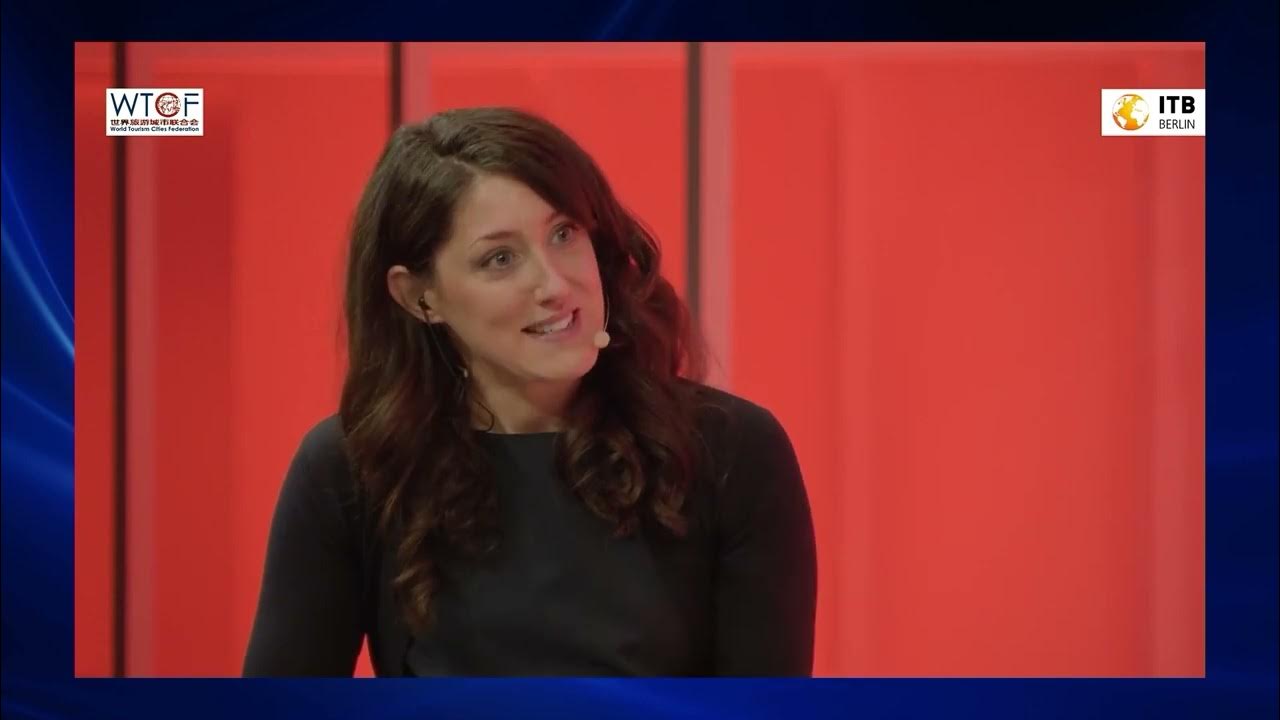
TLDRIn this 2026 trend report webinar, Trend Hunter’s leaders Armita Scano and Jonathan Brown discuss the evolving trends in tech, lifestyle, and consumer behavior. They explore the significance of associative thinking, encouraging viewers to look beyond their industry to uncover new trends. Key topics include the balance between analog and AI-driven lifestyles, the impact of consumer behavior on trends, and the rise of 'vibe coding' and AI agents. They also touch on food trends, such as numbing burgers and the rise of outdoor luxury experiences like revitalized picnics, emphasizing the importance of human connection in all trends.
Takeaways
- 😀 Consumers' behavior and motivational shifts are the primary drivers of trends, rather than products or services themselves.
- 😀 The 2026 trend report aims to fuel associative thinking by encouraging professionals to explore trends beyond their own industry or category.
- 😀 It's important to look at other industries and categories outside of your own to identify trends that could influence innovation in your space.
- 😀 A key question for companies to ask is: 'What is your customer doing when they’re not interacting with you?' This can reveal valuable insights about consumer behavior.
- 😀 AI analog trends reflect a push for more analog experiences while still leveraging the benefits of AI, offering a compromise between technology and human connection.
- 😀 Trends like AI analog are born out of the generational pushback against technology's overwhelming influence, with younger generations seeking a balance.
- 😀 The rise of 'vibe coding' exemplifies the democratization of AI, enabling non-experts to create and build with AI without needing to know how to code.
- 😀 Businesses should rethink who leads AI adoption within the company, as input from all departments is essential for understanding how AI can improve specific operational needs.
- 😀 The difference between automation and AI agents is key—automation follows predefined steps, while agents discern the best tools and actions to achieve an end goal.
- 😀 Post-pandemic, trends like outdoor picnics and camp coffee highlight a shift towards embracing analog experiences and reconnecting with nature, even in luxury or convenience spaces.
Q & A
How does Trend Hunter develop its top trends report for the year?
-The top trends report is developed by analyzing the highest-rated trends from the past year, while also considering client demands. This is followed by a process of intuitive observation of behavioral shifts. After the initial analysis, the report is passed through different levels of review, including the content team and senior leadership, to ensure accuracy and depth.
What is the key philosophy behind Trend Hunter's approach to trends?
-Trend Hunter believes that trends are born from shifts in consumer behavior. The approach emphasizes that successful products or services are not predetermined, but are created in response to these shifts. Therefore, understanding trends requires looking beyond one's own industry and drawing insights from various fields, including lifestyle, design, food, and tech.
How can individuals from one industry benefit from exploring trends outside of their field?
-By exploring trends from outside their industry, individuals can gain fresh perspectives and foster innovation. The goal is to stimulate associative thinking, where trends in seemingly unrelated fields can spark ideas and insights for one's own industry, enhancing creativity and broadening understanding.
What advice do the speakers offer for digesting the trend report?
-The speakers recommend not just focusing on the category that is most relevant to you but also exploring other categories in the report. This cross-category exploration encourages innovative thinking and can lead to unexpected insights that improve one’s work and industry understanding.
How does the concept of ‘associative thinking’ impact how trends are understood?
-Associative thinking helps individuals recognize the interconnectedness between different fields and consumer behaviors. By understanding how customers engage with products and experiences outside of their direct interaction with your company, you can better predict and adapt to new trends that may arise in your industry.
Why is it important to understand the customer journey beyond your own industry?
-The customer journey extends beyond interactions with your brand or service. Understanding what your customers are doing in other parts of their daily life helps design better products and services, as it allows for a more holistic view of their experiences and needs, leading to innovations that better align with their lifestyles.
What role does AI play in the development of trends according to the speakers?
-AI plays a significant role in both identifying and predicting trends. However, the speakers emphasize that trends are driven by shifts in human behavior, not just technological advancements. AI can enhance trend analysis, but it’s the human element and the way people adapt to technology that creates the environment for trends to emerge.
What is the significance of ‘AI analog’ as a trend?
-The AI analog trend represents the tension between technology and a desire for a more analog, human experience. Younger generations, especially Gen Z, are increasingly drawn to analog products (e.g., dumb phones, e-readers) while still incorporating minimal AI features for convenience. This tension reflects a longing for balance between digital convenience and the human need for authenticity.
What is the difference between ‘automation’ and ‘agents’ as described in the report?
-Automation involves following predefined steps to complete tasks, while agents are more autonomous and discerning. Agents have the ability to make decisions and select the most effective tools to achieve a goal, allowing for greater flexibility and efficiency in performing tasks. The distinction lies in automation's focus on processes and agents' focus on outcomes.
How do the speakers view the democratization of AI tools, like ‘vibe coding’?
-The speakers see ‘vibe coding’ as a powerful manifestation of the democratization of AI, allowing people without technical coding knowledge to create and interact with AI. This shift enables a wider range of individuals to innovate and solve problems within their roles, unlocking new potential for critical thinking and creative solutions across industries.
Outlines

此内容仅限付费用户访问。 请升级后访问。
立即升级Mindmap

此内容仅限付费用户访问。 请升级后访问。
立即升级Keywords

此内容仅限付费用户访问。 请升级后访问。
立即升级Highlights

此内容仅限付费用户访问。 请升级后访问。
立即升级Transcripts

此内容仅限付费用户访问。 请升级后访问。
立即升级



5.0 / 5 (0 votes)

