System Design Interview - Tips & Tricks | Biggest Mistakes to Avoid
Summary
TLDRThis script highlights common mistakes in system design interviews, emphasizing the importance of clarifying design scope, functional requirements, and scalability expectations. It advises against diving into solutions prematurely and suggests managing time effectively, engaging the interviewer for guidance, admitting knowledge gaps, and seeking feedback to enhance the solution.
Takeaways
- 🗣️ Always clarify if the interviewer is looking for a high-level or low-level design before presenting a solution.
- 🔍 Ask for specific functional requirements to tailor the design to the interviewer's expectations.
- ⚠️ Avoid jumping straight into a solution without understanding the scope and scale of the system you're designing.
- 🌐 Consider the scale of the system, such as the number of users and data size, which can significantly impact the design.
- ⏳ Manage your time effectively during the interview, ensuring you cover all necessary components within the allotted time.
- 🏗️ Start with a high-level overview of the system's components and their interactions before diving deeper into specific parts.
- 🤔 Ask the interviewer for guidance on which components to explore in-depth to align with their interests and expectations.
- 🚫 Do not assume you need to know everything; it's acceptable to admit when you're unsure about a specific component.
- 💡 If you don't know how to implement a certain feature, propose a hypothetical approach to demonstrate your thought process.
- 🙏 Feel free to ask the interviewer for feedback or guidance to ensure your solution is on the right track.
- 📝 Remember that it's okay to ask questions and seek clarification at any point during the system design interview.
Q & A
What is the first mistake candidates often make in a System Design interview?
-Candidates often jump into creating a class-level diagram without first clarifying whether the interviewer is looking for a low-level or high-level design.
Why is it important to clarify the level of design before starting?
-Clarifying the level of design ensures that the candidate aligns with the interviewer's expectations and presents a solution that matches the required depth of detail.
What should a candidate do if asked to design a complex system like Uber?
-The candidate should avoid jumping straight into a solution and instead ask the interviewer to clarify which specific functionalities are of interest for the design.
Why is it crucial to understand the functional requirements before designing a system?
-Understanding functional requirements helps tailor the design to the specific needs of the system, preventing the creation of an overly complex or irrelevant solution.
What non-functional aspect of system design do candidates often overlook?
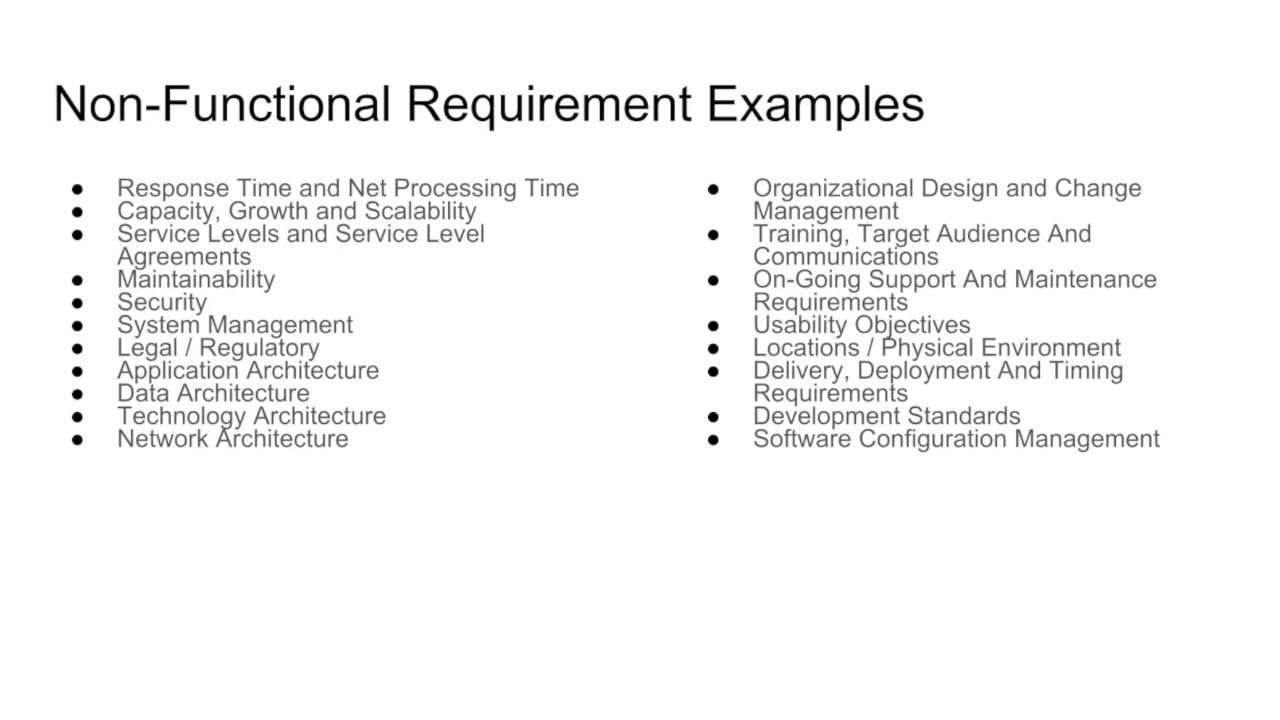
-Candidates often skip considering non-functional requirements such as scale, which can significantly impact the design approach for systems with vastly different user bases.
How can the scale of a system affect its design?
-The scale of a system, such as the number of users or data size, dictates the architecture and infrastructure needed to support the system's performance and reliability.
What is a common time management issue in System Design interviews?
-Candidates may become too involved with one component, neglecting other aspects of the system, and running out of time to cover all necessary elements within the interview's allotted time.
How can a candidate effectively manage their time during a System Design interview?
-A candidate can start with a high-level overview of the system's components and their interactions, then delve into the details of one or two components, ensuring to pace themselves to cover all topics within the time limit.
Why should a candidate avoid making assumptions about the interviewer's interests during a System Design interview?
-Making assumptions can lead to a mismatch between the candidate's presentation and the interviewer's expectations, potentially overlooking important aspects of the design.
What should a candidate do if they are unsure about a specific component or functionality in the design?
-The candidate should acknowledge their uncertainty and propose a hypothetical approach to building the component, demonstrating their thought process and willingness to learn.
Is it acceptable for a candidate to ask the interviewer for guidance or feedback during a System Design interview?
-Yes, it is not only acceptable but also encouraged for candidates to seek guidance or feedback from the interviewer to ensure their solution is on the right track and to clarify any uncertainties.
Outlines

This section is available to paid users only. Please upgrade to access this part.
Upgrade NowMindmap

This section is available to paid users only. Please upgrade to access this part.
Upgrade NowKeywords

This section is available to paid users only. Please upgrade to access this part.
Upgrade NowHighlights

This section is available to paid users only. Please upgrade to access this part.
Upgrade NowTranscripts

This section is available to paid users only. Please upgrade to access this part.
Upgrade NowBrowse More Related Video
Functional and Non Functional Requirements

Meta Product Design Interview: Explained by Ex-Meta, Google, and Amazon Senior Software Engineer

System Design Concepts Course and Interview Prep
System Design Interview - Distributed Message Queue

Analisis Kebutuhan Sistem (Fungsional dan Non Fungsional) | Analisa dan Desain Sistem

JUST COPY THIS Method | How I Cracked FAANG Interviews (5 LPA → 50 LPA)
5.0 / 5 (0 votes)
