Melihat Peninggalan Walisongo di Museum Masjid Agung Demak | NU Online
Summary
TLDRThe video explores the Museum of the Great Demak Mosque, guided by Mr. Kiswoyo, the museum caretaker. Viewers are introduced to historical relics from the mosque, including the original 17-meter-high Soko Guru pillars, ancient Qur'ans and tafsirs handwritten by Sunan Bonang, and artifacts from the Majapahit era. The documentary highlights the craftsmanship, historical significance, and spiritual philosophy behind these treasures, such as the bedug and kentongan created by Sunan Kalijaga for calling worshippers. It emphasizes the preservation efforts and the cultural heritage of Islam in Java, inspiring appreciation for centuries-old artifacts and the wisdom of the Wali Songo that shaped the Demak Mosque.
Takeaways
- 😀 The Museum Masjid Agung Demak houses artifacts primarily from the Great Mosque itself, showcasing historical and religious items.
- 😀 The mosque's four main pillars, called 'Soko Guru,' were originally contributed by Sunan Ampel, Sunan Gunung Jati, Sunan Bonang, and Sunan Kalijaga, measuring 17 meters tall.
- 😀 Sunan Kalijaga creatively completed the pillar height using additional wood pieces, demonstrating ingenuity in religious architecture.
- 😀 Parts of the pillars were renovated in 1984; the lower sections were replaced due to decay, while the upper sections remain original.
- 😀 Several artifacts in the museum, including Quran manuscripts and tafsir written by Sunan Bonang, are nearly 500 years old and preserved carefully with tobacco and cloves for humidity control.
- 😀 Historical items like gentongs (water jars) from the Ming dynasty and other royal gifts highlight connections with foreign cultures and rulers.
- 😀 Sunan Kalijaga created the bedug (drum) and kentongan (gong) to amplify the call to prayer before modern sound systems existed.
- 😀 The museum contains architectural elements and furniture with symbolic Islamic meanings, like the three-tiered pulpit representing faith, excellence, and divine knowledge.
- -
- 😀 Certain artifacts, such as the original mosque doors and engraved decorations, carry historical, cultural, and spiritual significance, reflecting the era of the Wali Songo and early Islamic leadership in Java.
- -
- 😀 The museum also displays items linked to past local rulers, emphasizing continuity of Islamic tradition and education for future generations.
Q & A
What is the main purpose of the Museum Masjid Agung Demak?
-The museum preserves and displays artifacts related to the Masjid Agung Demak, mainly items associated with the mosque's history, construction, and Islamic heritage.
Who is Kiswoyo, and what role does he play in the museum?
-Kiswoyo is a caretaker or guide at the Museum Masjid Agung Demak, responsible for explaining the history and significance of the artifacts to visitors.
What are the 'Soko Guru' pillars, and why are they significant?
-The Soko Guru are four main wooden pillars of the Masjid Agung Demak, donated by Sunan Ampel, Sunan Gunung Jati, Sunan Bonang, and Sunan Kalijaga. They symbolize the mosque's foundation and spiritual significance.
Why are the pillars 17 meters high, and what challenge did Sunan Kalijaga face?
-The pillars are 17 meters tall to represent the 17 rakaat of the five daily prayers. Sunan Kalijaga initially only had 11 meters of wood, so he creatively supplemented it using smaller wooden pieces to reach the required height.
What types of artifacts from the Majapahit period are found in the museum?
-Artifacts include foundational stones and other items gifted by Raden Fatah, which were originally part of the mosque's structure, such as stones for the serambi (mosque porch).
What is unique about the Qur'an and Tafsir manuscripts in the museum?
-The Qur'an and Tafsir manuscripts were handwritten by Sunan Bonang nearly 500 years ago. They are preserved carefully using tobacco and cloves to maintain proper humidity and protect the pages.
What is the significance of the bedug and kentongan in the mosque?
-The bedug and kentongan were created by Sunan Kalijaga to amplify the call to prayer before the invention of electrical sound systems. They ensured the muadzin's call could be heard across distances.
What historical story is associated with the 'pintu bledeg' (original mosque door)?
-The door, created by Ki Ageng Selo, features carvings of a dragon and symbolizes the year 1466. Legend says it involved capturing lightning and sacred symbols representing the founding era of the mosque.
How are the symbolic meanings embedded in the museum artifacts explained?
-Many artifacts, such as multi-tiered structures, doors, and crowns, have philosophical and spiritual symbolism, teaching lessons about faith, restraint, and devotion according to Islamic principles.
Who were some of the historical figures associated with the creation and contributions to Masjid Agung Demak?
-Key figures include the Walisongo—Sunan Ampel, Sunan Gunung Jati, Sunan Bonang, and Sunan Kalijaga—as well as Raden Fatah and his family, who contributed to the mosque's construction and endowments.
What other notable artifacts or gifts are housed in the museum?
-Artifacts include gentongs (large jars) from the Ming Dynasty and gifts from Putri Campa, items used in daily religious practices, and items symbolizing Islamic teachings and the heritage of the mosque.
Outlines

This section is available to paid users only. Please upgrade to access this part.
Upgrade NowMindmap

This section is available to paid users only. Please upgrade to access this part.
Upgrade NowKeywords

This section is available to paid users only. Please upgrade to access this part.
Upgrade NowHighlights

This section is available to paid users only. Please upgrade to access this part.
Upgrade NowTranscripts

This section is available to paid users only. Please upgrade to access this part.
Upgrade NowBrowse More Related Video
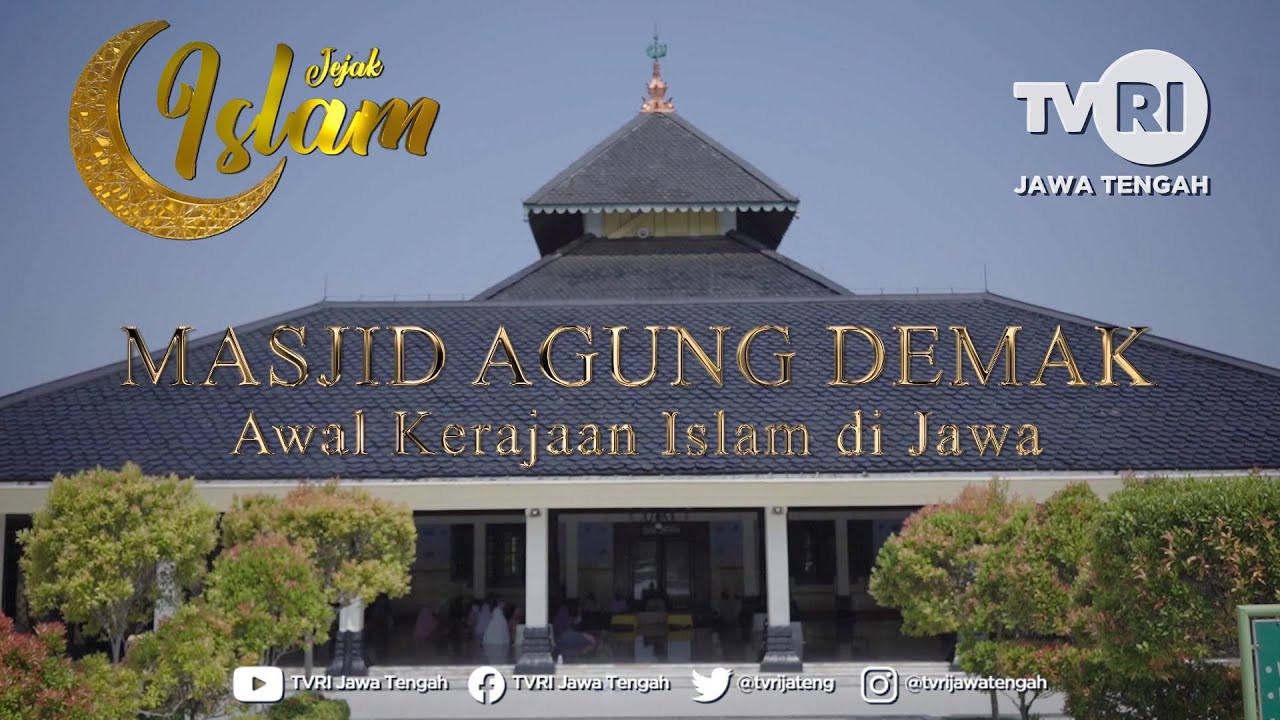
Masjid Agung Demak, Awal Kerajaan Islam di Jawa - Jejak Islam TVRI Jawa Tengah (April 2024)

Top 10 Tempat Wisata di Demak Jawa Tengah Terpopuler

"Jejak Kolonial di Kawasan Menteng" | Film Dokumenter Sejarah dan Peradaban Islam UIN Jakarta
LAKSAMANA CHENG HO - LAKSAMANA ASAL CINA YANG MEMBANTU ISLAMISASI DI NUSANTARA

Asal Usul Kota Wonogiri | Cerita Rakyat Jawa Tengah | Kisah Nusantara
BIOGRAFI SUNAN AMPEL FULL
5.0 / 5 (0 votes)
