[KO 6] SILAKAN SUBSCRIBE: Starting System / Sistem Starter: Cara Kerja Sistem Starter Konvensional
Summary
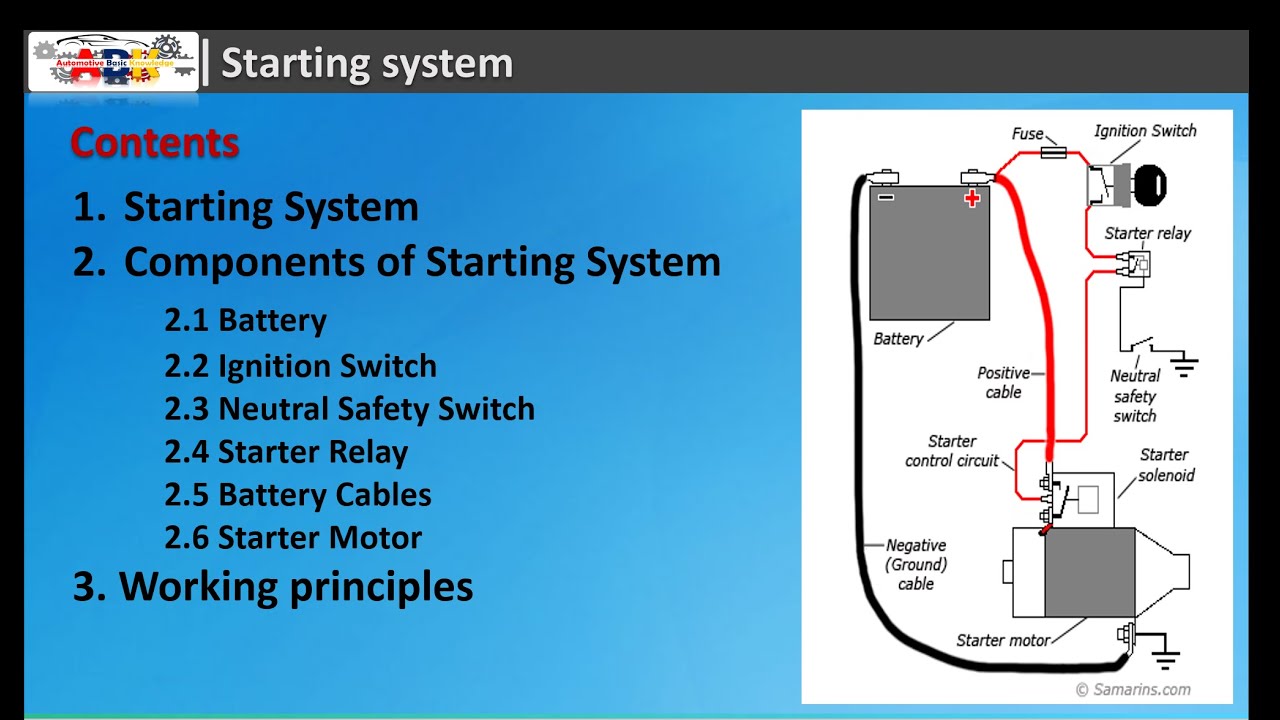
TLDRThis video provides a detailed explanation of how a motor starter system works. It breaks down the function of each component, including the ignition key, terminals, pull-in and hold-in coils, plunger, drive lever, pinion gear, armature, field coils, commutator, and battery. The video explains the step-by-step flow of electrical current from the battery through the starter system, showing how magnetic forces move the plunger, engage the pinion with the flywheel, and power the motor. It also covers the demagnetization process that disengages the starter once the engine is running, giving viewers a clear understanding of the starter mechanism and its operation.
Takeaways
- 🔑 The ignition key controls the activation and deactivation of the starter system.
- ⚡ Terminal 30 serves as the connection point for the positive battery cable, while Terminal 50 connects to the ignition switch.
- 🌀 The pull-in coil (full in coil) moves the plunger when the ignition key is in the start (ST) position.
- 🛑 The hold-in coil maintains the plunger position, keeping the contact plate connected to Terminals 30 and C.
- 🔧 The plunger moves the drive lever to engage the pinion gear with the flywheel.
- ⚙️ The pinion gear transmits rotation from the starter motor to the flywheel but only spins in one direction to prevent engine backspin.
- 🧲 The armature generates magnetic fields, interacting with the field coils to produce rotation in the starter motor.
- 🔌 The commutator ensures proper current flow from positive and negative poles through the armature windings.
- 🔋 The battery provides the electrical energy needed for the starter system to function.
- ↩️ When the ignition key returns to the ON (IG) position, demagnetization of the coils occurs, causing the plunger to return and the motor starter to stop.
- 📝 Overall, the starter system sequence involves energizing coils, moving the plunger, engaging the pinion gear, powering the starter motor, and then disengaging safely when the engine starts.
Q & A
What is the primary function of the ignition key in a starter system?
-The ignition key activates and deactivates the starter system by allowing current to flow from the battery to the starter components when turned to the ST (start) position.
What is the role of Terminal 30 in the starter system?
-Terminal 30 serves as the connection point for the positive battery cable, allowing electrical current to flow into the starter system.
How does the pull-in coil function during engine starting?
-The pull-in coil generates a magnetic force that moves the plunger, which in turn pushes the drive lever to engage the pinion gear with the flywheel while also closing the contact plate to complete the starter circuit.
What is the purpose of the hold-in coil?
-The hold-in coil maintains the plunger in position so that the contact plate stays connected to Terminal 30 and Terminal C, ensuring continuous current flow to the starter motor until the engine starts.
Explain the function of the plunger in the starter system.
-The plunger is moved by the magnetic forces from the pull-in and hold-in coils. It engages the drive lever to push the pinion gear forward and also ensures the contact plate connects the necessary terminals for starter motor operation.
How does the starter motor pinion gear interact with the flywheel?
-The pinion gear engages with the flywheel to transmit rotational force from the starter motor to the engine’s crankshaft, allowing the engine to start.
What prevents the starter motor from turning the engine once it is running?
-The starter motor uses a one-way clutch in the pinion (starter clutch), which allows it to spin the engine but prevents the engine from turning the starter motor once it’s running.
Describe the electrical path when the ignition key is turned to the ST position.
-Current flows from the battery to the ignition key, through Terminal ST, then Terminal 50, into the pull-in coil and hold-in coil. The pull-in coil current continues to Terminal C, while the hold-in coil current goes to ground. From Terminal C, current flows to the field coil and then to the starter armature, completing the circuit through ground.
What causes the plunger to return to its original position after starting the engine?
-When the ignition key returns to the ON (IG) position, the current to the pull-in and hold-in coils stops. The opposing currents in the pull-in and hold-in coils create demagnetization, allowing the return spring to push the plunger back, disengaging the pinion and breaking the starter circuit.
How does the contact plate facilitate starter motor operation?
-The contact plate connects Terminal 30 to Terminal C when the plunger moves forward, allowing high current from the battery to flow to the field coil and armature of the starter motor, enabling it to rotate.
What is the role of the armature in the starter motor?
-The armature generates a magnetic field that interacts with the field coil’s magnetic field, producing the rotational force needed to turn the starter motor and crank the engine.
Why is the hold-in coil current still necessary after the pull-in coil deactivates?
-The hold-in coil keeps the plunger engaged temporarily while the starter motor is running, ensuring that the contact plate remains connected and the starter motor continues operating smoothly until the ignition key is released.
Outlines

This section is available to paid users only. Please upgrade to access this part.
Upgrade NowMindmap

This section is available to paid users only. Please upgrade to access this part.
Upgrade NowKeywords

This section is available to paid users only. Please upgrade to access this part.
Upgrade NowHighlights

This section is available to paid users only. Please upgrade to access this part.
Upgrade NowTranscripts

This section is available to paid users only. Please upgrade to access this part.
Upgrade NowBrowse More Related Video
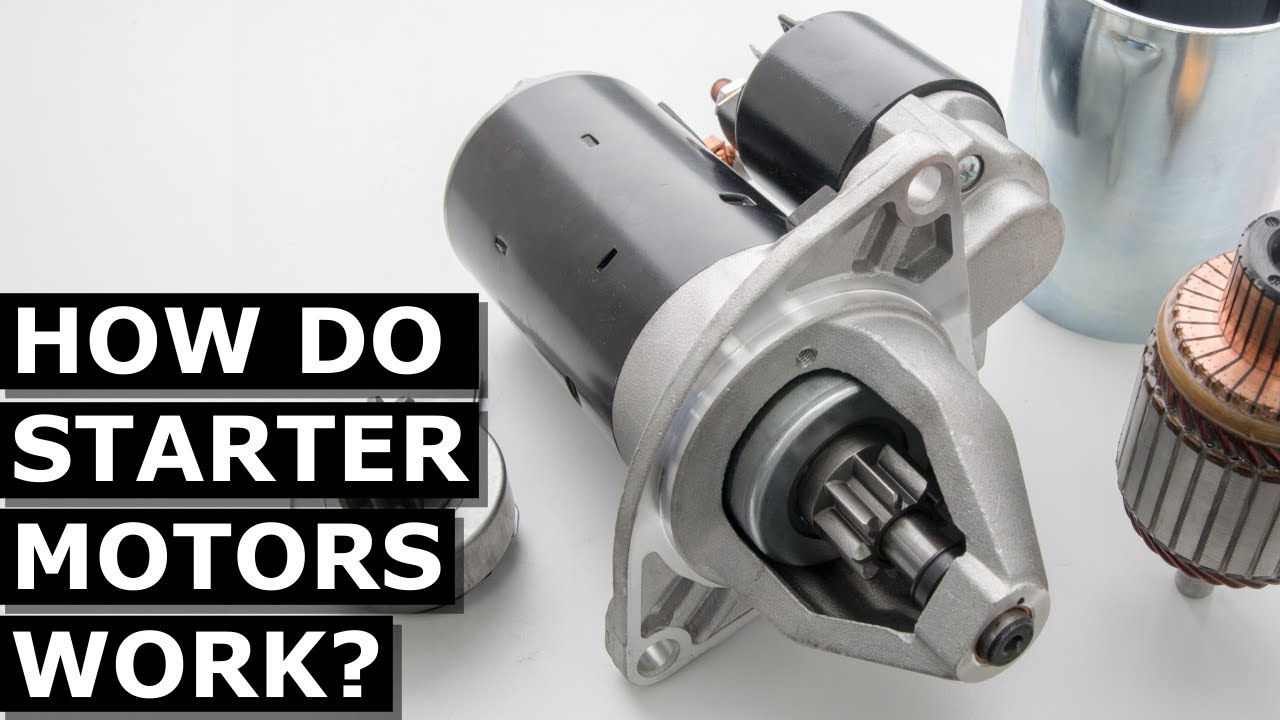
How Starter Motors Work
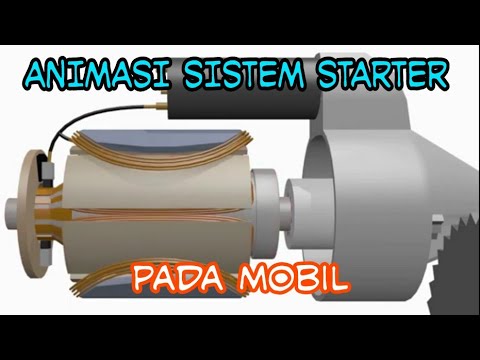
Cara Kerja Motor Starter Mobil Paling Gampang Dipahami
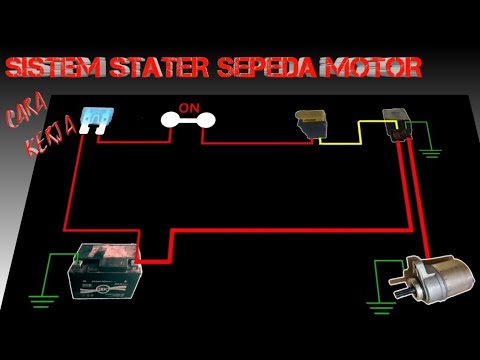
CARA KERJA SISTEM STATER SEPEDA MOTOR
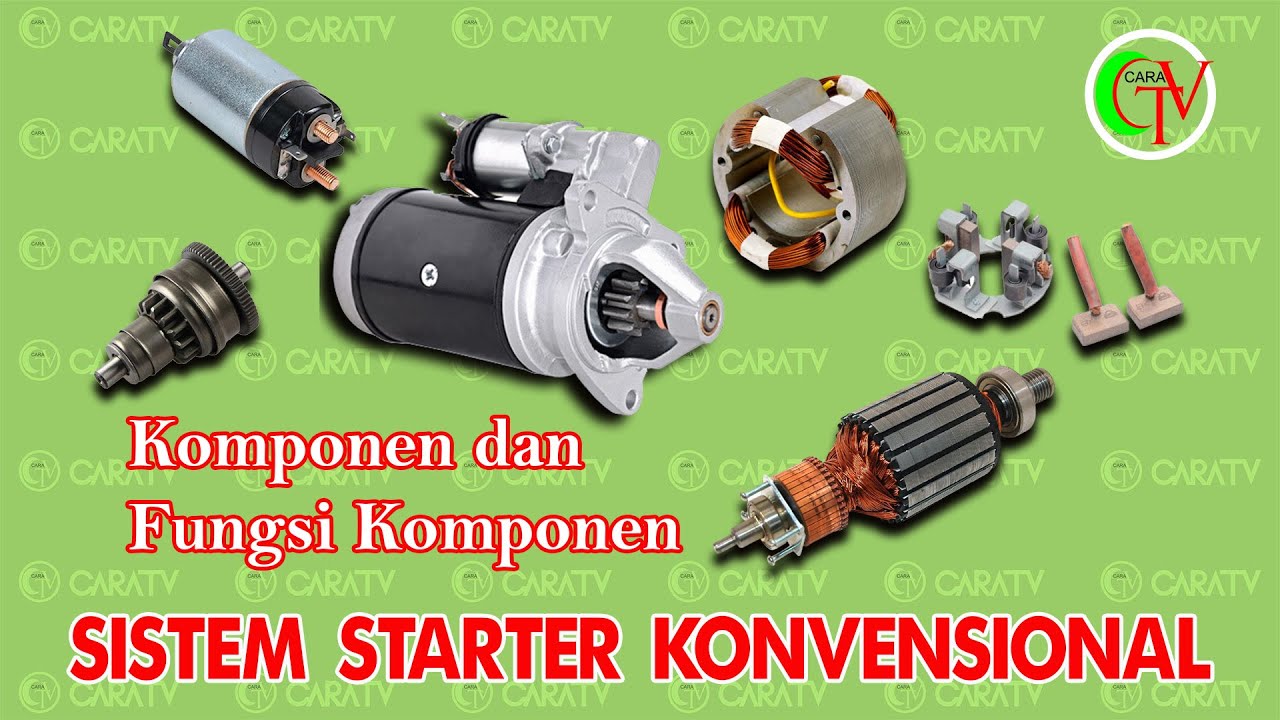
SISTEM STARTER KONVENSIONAL: Komponen dan Fungsi Komponen Motor Starter Konvensional pada Mobil
Basic Starting System

Why Motor Start in Star and Run in Delta| Star delta Starter| Why Motor Connected in Delta
5.0 / 5 (0 votes)
