Kedudukan Warga Negara dan Penduduk Indonesia - PPKn Kelas 10
Summary
TLDRThis educational video for 10th-grade PPKN students explores the concepts of citizens, residents, and the people of Indonesia. It explains the distinctions between residents, citizens, and foreigners, referencing Article 26 of the 1945 Constitution. The video also covers the principles of citizenship, including Ius Sanguinis (citizenship by descent) and Ius Soli (citizenship by birth location), and the complexities of dual citizenship and statelessness. Furthermore, it outlines how foreigners can become Indonesian citizens through ordinary or special naturalization and the conditions under which citizenship can be lost. The content is presented clearly, with examples and legal references to engage learners effectively.
Takeaways
- 😀 A country cannot be formed without people; the existence of citizens is a fundamental requirement for a state.
- 😀 The terms 'people', 'residents', and 'citizens' have different meanings and should not be confused.
- 😀 Residents are individuals who live or settle in a country, while non-residents stay temporarily without intent to settle.
- 😀 Citizens are individuals who are legally recognized as members of a country, while non-citizens are considered foreigners.
- 😀 The term 'people' refers broadly to all inhabitants who play a role in achieving the goals of the state.
- 😀 According to the 1945 Constitution of Indonesia, residents include both Indonesian citizens and foreigners living in Indonesia.
- 😀 Not all residents are citizens; foreigners living in Indonesia are considered residents but not citizens.
- 😀 Official residency in Indonesia requires identification such as a KTP (identity card).
- 😀 Indonesian citizenship is regulated by Law No. 12 of 2006 on Citizenship.
- 😀 There are two main principles of citizenship: ius sanguinis (based on descent) and ius soli (based on place of birth).
- 😀 Differences in citizenship principles across countries can result in statelessness (apatride) or dual citizenship (bipatride).
- 😀 Indonesia applies a combination of citizenship principles as outlined in its laws.
- 😀 Foreign nationals can become Indonesian citizens through a legal process called naturalization.
- 😀 Naturalization in Indonesia can be ordinary (with specific requirements) or special (granted for contributions to the country).
- 😀 Indonesian citizenship can be lost if individuals meet certain conditions outlined in Law No. 12 of 2006.
Q & A
What are the three key terms discussed in the script: 'penduduk,' 'warga negara,' and 'rakyat'?
-The three key terms discussed are: 'penduduk' (population) refers to people who live or reside in a country; 'warga negara' (citizen) refers to people who are legally recognized as members of a nation; and 'rakyat' (people) refers to the population of a country, playing an important role in managing and achieving national goals.
What is the difference between 'penduduk' and 'warga negara' in Indonesia?
-The main difference is that 'penduduk' includes both Indonesian citizens and foreigners who live in Indonesia, while 'warga negara' specifically refers to Indonesian citizens. Not all 'penduduk' are 'warga negara.'
Can a foreigner living in Indonesia be considered a 'penduduk'?
-Yes, a foreigner can be considered a 'penduduk' if they reside in Indonesia. Foreigners such as diplomats, students, or workers who live in the country are categorized as 'penduduk,' but they are not necessarily 'warga negara.'
What is required for someone to be recognized as a legal 'warga negara' (citizen) in Indonesia?
-In Indonesia, someone becomes a 'warga negara' either by birth (if they are born to Indonesian parents) or through a legal process called 'naturalisasi' (naturalization), where foreigners can apply for citizenship under certain conditions.
What are the two key principles of determining citizenship according to the script?
-The two key principles are: 1) 'Ius Sanguinis' (right of blood), where citizenship is determined by the nationality of one's parents; and 2) 'Ius Soli' (right of soil), where citizenship is based on the place of birth.
What does 'apatride' mean, and how does it occur?
-'Apatride' refers to a person who has no citizenship. This can occur when someone is born in a country that follows the 'Ius Sanguinis' principle but does not meet the requirements of the country where they are born, resulting in statelessness.
What is 'bipatride,' and how does it happen?
-'Bipatride' refers to a situation where a person has dual citizenship. This occurs when a person is born in a country that follows the 'Ius Soli' principle, but their parents are from a country that follows 'Ius Sanguinis,' thus granting them citizenship from both countries.
How does Indonesia determine citizenship according to the script?
-Indonesia follows the 'Ius Sanguinis' principle for citizenship, meaning a child inherits the citizenship of their parents, and also acknowledges the 'Ius Soli' principle for people born in Indonesia.
What are the two types of naturalization for foreigners wishing to become Indonesian citizens?
-The two types of naturalization are: 1) 'Naturalisasi biasa' (ordinary naturalization), where a foreigner applies to become a citizen after fulfilling specific requirements; and 2) 'Naturalisasi istimewa' (special naturalization), which is granted to foreigners who have contributed significantly to the country.
What can cause a person to lose their Indonesian citizenship?
-According to Indonesian law, a person can lose their citizenship if they voluntarily renounce it, acquire the citizenship of another country (if dual citizenship is not allowed), or engage in certain illegal activities as stipulated by law.
Outlines

This section is available to paid users only. Please upgrade to access this part.
Upgrade NowMindmap

This section is available to paid users only. Please upgrade to access this part.
Upgrade NowKeywords

This section is available to paid users only. Please upgrade to access this part.
Upgrade NowHighlights

This section is available to paid users only. Please upgrade to access this part.
Upgrade NowTranscripts

This section is available to paid users only. Please upgrade to access this part.
Upgrade NowBrowse More Related Video
Rangkuman Materi PKN Kelas 9 Bab 6 Revisi 2018 Bela Negara dalam Konteks NKRI.
Rangkuman Materi Pancasila Kelas 10 Bab 4 Kurikulum Merdeka Rev 2023

Mewaspadai Ancaman Terhadap NKRI

LENGKAP! RANGKUMAN MATERI PPKN KELAS 12 SEMESTER 1 + KISI-KISI PAS!

Rangkuman Materi BAHASA INDONESIA Kelas 10 SMA Semester 1 | Kurikulum 2013
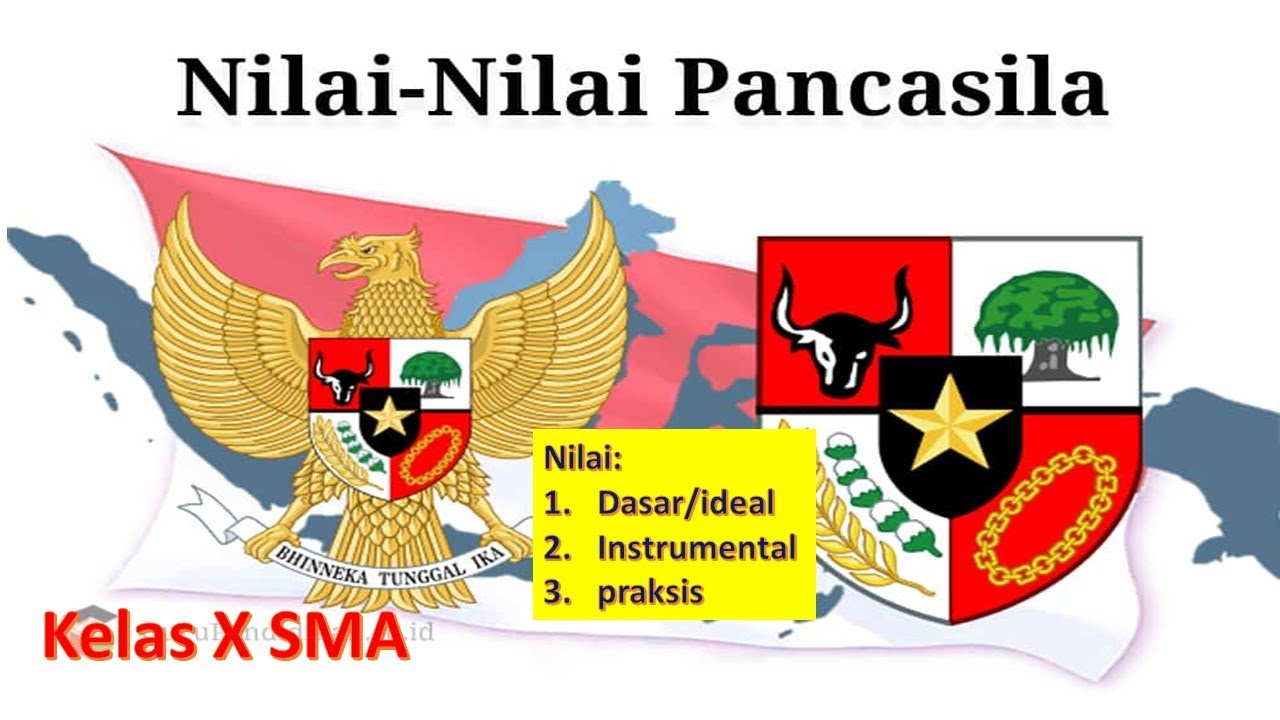
Kelas 10: Nilai Dasar, Instrumental, Praksis Pancasila
5.0 / 5 (0 votes)
