I Analyzed 512,000 Lines of Leaked Code. It Shows What's Coming for Your AI Tools.
Summary
TLDRThe video explores Anthropic's leaked Conway agent, an always-on AI capable of autonomous tasks, email triage, Slack monitoring, and calendar management. Unlike traditional chatbots, Conway operates as a persistent agent with a proprietary extension ecosystem, creating significant user and enterprise lock-in. The discussion highlights how Anthropic, OpenAI, and Google are shifting competition from models to interface ownership and behavioral memory. Persistent agents capture behavioral intelligence, not just data, raising novel questions about portability, ownership, and employee leverage. Conway exemplifies a new era of AI platforms where convenience, strategic adoption, and persistent context determine influence over productivity, workflow, and long-term enterprise control.
Takeaways
- 🧠 Conway is an always-on AI agent by Anthropic, capable of proactively managing emails, Slack messages, meetings, and competitive intelligence without explicit prompts.
- 💻 Conway operates as a standalone environment with three core areas: search, chat, and system, where extensions, tools, and integrations can be installed.
- 🔌 The system section supports extensions in a proprietary CNW.zip format, creating a platform-specific ecosystem on top of the open Model Context Protocol (MCP).
- 📈 Conway represents a strategic move to create enterprise lock-in by accumulating behavioral context, not just data, making it difficult to switch platforms after prolonged use.
- 🏢 Anthropic’s broader platform strategy includes Claude code channels, Co-work, Cloud Marketplace, and enterprise subscription enforcement, all designed to reinforce ecosystem lock-in.
- 🛠 Developers face a choice: build portable MCP tools compatible with multiple platforms or Conway-specific extensions discoverable within Anthropic’s ecosystem, incentivizing platform-specific development.
- 🔒 Behavioral lock-in extends beyond data: agents learn patterns, preferences, and workflows, making behavioral intelligence a valuable and non-portable asset.
- ⚖️ Persistent agents create new challenges for employees and enterprises, raising questions about ownership, compensation, and portability of behavioral data.
- 🚀 The AI competition is shifting from model quality to control over persistent, context-aware agent layers that shape user experience, productivity, and workflow efficiency.
- 📊 Conway and similar agents will influence career progression, team management, and enterprise productivity, as persistent agents amplify both individual and organizational capabilities.
- 🌐 Early adoption decisions will have lasting effects: convenience and integration may outweigh portability, locking users into specific agent ecosystems.
- ⚠️ Policy and ethical frameworks for behavioral context portability are lacking, making it urgent to define standards before proprietary systems like Conway dominate.
Q & A
What is Conway and why is it significant in the Claude code leak?
-Conway is an unannounced, always-on AI agent environment discovered in the Claude code leak. It represents a major shift from reactive chatbots to proactive, persistent agents that operate continuously and autonomously across tools and workflows.
How does Conway differ from traditional AI chat interfaces?
-Unlike chat interfaces that respond only when prompted, Conway operates continuously in the background, monitors user activity, triggers actions based on events, and proactively completes tasks without requiring direct user input.
What are the core components of Conway’s interface?
-Conway includes three main areas: search, chat, and system. The system section contains extensions, connectors to external tools, and automatic triggers that allow the agent to act based on external events.
What is the role of extensions in Conway?
-Extensions act like an app store for Conway, allowing developers to add custom tools, interface panels, and data handlers. These extensions enhance the agent’s capabilities but are proprietary and specific to Conway.
How does Conway create value despite being imperfect?
-Conway creates value through speed and iteration rather than perfect accuracy. Even if some outputs are wrong, the time saved and proactive assistance still result in a net productivity gain.
What broader strategy is Anthropic executing with Conway?
-Anthropic is building a full-stack platform including developer tools, enterprise solutions, distribution layers, enforcement mechanisms, and finally a persistent agent layer. Conway acts as the capstone that ties everything together.
What is the difference between MCP and Conway’s extension format?
-MCP (Model Context Protocol) is an open standard for connecting AI systems to data sources, while Conway’s extension format (CNW.zip) is a proprietary layer built on top of MCP that only works within Conway’s ecosystem.
Why does Conway’s extension model create a developer dilemma?
-Developers must choose between building portable tools using open standards (MCP) with no distribution or building proprietary Conway extensions that offer built-in distribution but lock them into a single platform.
What is behavioral lock-in and how does Conway enable it?
-Behavioral lock-in occurs when an AI system learns a user’s habits, preferences, and workflows over time. Conway enables this by continuously observing and adapting to user behavior, making it difficult to switch platforms without losing that learned intelligence.
Why is behavioral data more powerful than traditional data lock-in?
-Unlike files or messages, behavioral data represents how a person thinks and works. It cannot be easily exported or replicated, making it far more valuable and harder to replace than traditional data.
What major ethical and legal question does Conway raise?
-Conway raises the question of who owns the behavioral model created from a user’s actions—whether it belongs to the individual, the company, or the platform provider, and whether it should be portable.
How could Conway shift power dynamics between employees and employers?
-Employers could use persistent agents to measure and optimize employee performance, increasing productivity but also creating dependency and giving employers more leverage in retention and evaluation.
What are the three eras of AI competition described in the script?
-The first era focused on model performance, the second on user interfaces and tools, and the emerging third era focuses on persistent memory and always-on agents that accumulate long-term context.
Why might most users choose proprietary agent systems despite lock-in risks?
-Convenience, ease of use, and immediate productivity gains will likely outweigh concerns about portability, leading most users and companies to adopt proprietary systems.
How could Conway influence career decisions in the future?
-Choosing an employer may also mean choosing an AI ecosystem. Employees may become more productive with specific agents, making it harder to switch jobs without losing their accumulated AI-assisted workflow advantages.
Outlines

This section is available to paid users only. Please upgrade to access this part.
Upgrade NowMindmap

This section is available to paid users only. Please upgrade to access this part.
Upgrade NowKeywords

This section is available to paid users only. Please upgrade to access this part.
Upgrade NowHighlights

This section is available to paid users only. Please upgrade to access this part.
Upgrade NowTranscripts

This section is available to paid users only. Please upgrade to access this part.
Upgrade NowBrowse More Related Video

How to use "Multi-agents mode" in Coze
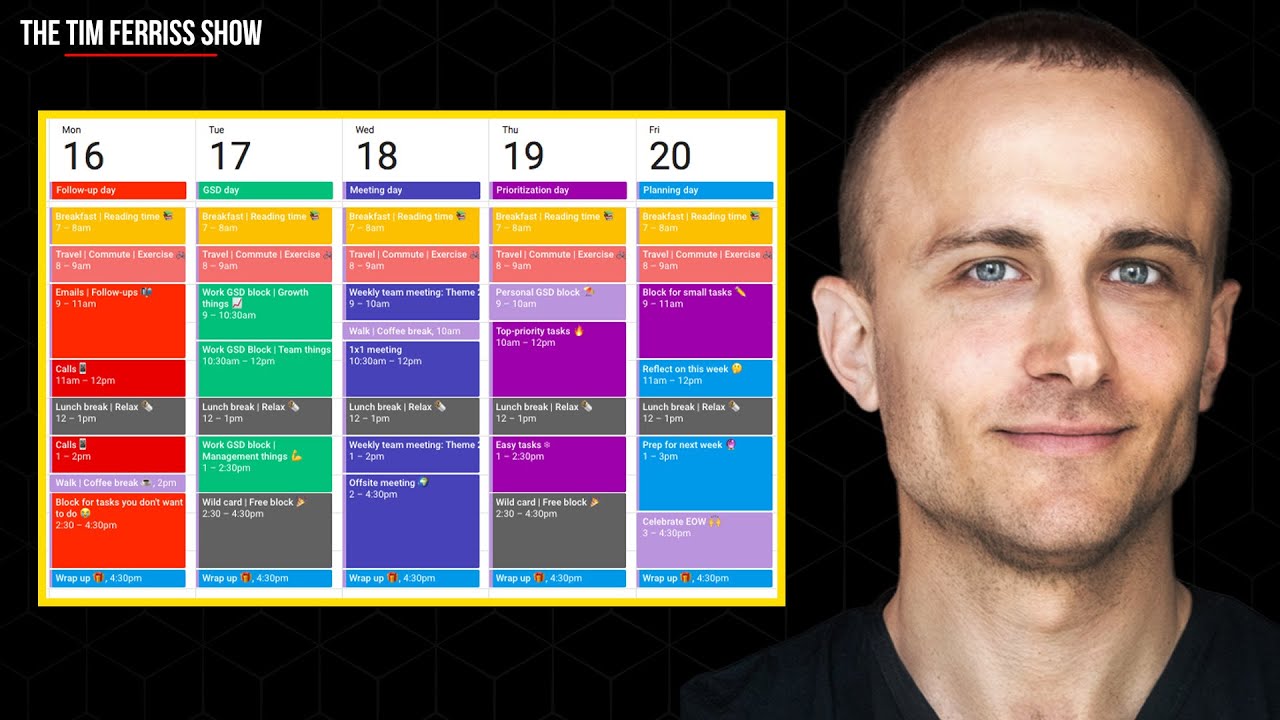
Ditch Your To-Do List and Do This Instead | Sam Corcos | The Tim Ferriss Show

This NEW AI Agent Automates Anything For You FOR FREE 👀 (Beginner Friendly)

I Was Prompting AI Agents Wrong... Until I Learned This (Live Prompting Examples)

I Built a FREE OpenClaw (no Mac Mini or API Fees)

MIT's New AI "REWRITES ITSELF" to Improve It's Abilities | Researchers STUNNED!
5.0 / 5 (0 votes)
