Saya Pakai Cara Ini, Agar SL Jarang Kesentuh | AYQ 199
Summary
TLDRIn this video, the speaker discusses the realities of trading, emphasizing that there is no set rule for how often one should trade. They explain their daily trading routine, highlight the importance of managing risk, and explore the potential rewards and pitfalls of using leverage. The speaker also touches on the idea of becoming an introducing broker and the financial opportunities it offers. Additionally, they advise on the psychological aspects of trading, such as setting realistic targets and dealing with the emotional highs and lows of the market.
Takeaways
- 😀 Trading every day is not a requirement; it depends on individual preferences and market conditions.
- 😀 Trading is about buying and selling based on market opportunities, not following a strict schedule.
- 😀 Many traders use introducing brokers (IB) to earn income through affiliate marketing, but it's not the only source of income for successful traders.
- 😀 Successful traders often earn additional income by bringing in clients through referral links from brokers.
- 😀 Full margin trading can lead to high risk and big rewards, but it can also result in significant losses if not managed carefully.
- 😀 Consistency and small, achievable targets are better than aiming for quick, large profits, especially when using full margin.
- 😀 Market structure and understanding of entry points are key in preventing small stop-loss hits, even when aiming for larger profit targets.
- 😀 There is a risk of being misled by influencers sharing only successful trades without showing losses incurred from frequent stop-loss hits.
- 😀 Breakout trading can be risky if the momentum is not properly assessed; a strong price movement following a breakout is essential for success.
- 😀 Psychological discipline is crucial in trading—returning to normal trading sizes after big profits can help prevent overconfidence and further loss.
Q & A
Is it necessary to trade every day to be successful?
-No, there's no strict requirement to trade every day. Trading frequency depends on your strategy and goals. Some traders may only trade once a month or even once a year, while others may prefer daily trading if it aligns with their business model or goals.
What makes daily trading effective for some traders?
-Daily trading works for traders who treat trading as a business. If you are actively involved in buying and selling based on market conditions and price fluctuations, you can benefit from consistent trading. However, it’s not a necessity for everyone.
Why do so many traders fail, and how do mentors and brokers make money?
-Many traders fail because they underestimate the risks and do not follow a disciplined strategy. Some traders transition into becoming mentors or brokers, where they earn money by bringing in clients or referring others. Brokers and mentors often earn via affiliate links, with each trade made by their referrals generating income.
What are the risks of using high leverage in trading?
-High leverage can result in massive gains but also in substantial losses. Using full margin, for example, means that you are risking your entire capital on one trade. While high returns can be appealing, they come with the risk of losing your entire investment quickly if the trade goes against you.
How should traders handle risk in high-reward situations?
-In high-reward situations, it’s crucial to understand that the risks are proportionally high. To mitigate this, traders should set reasonable profit targets and avoid overexposure to risky trades. Risk management, such as using stop-loss orders and maintaining a balanced portfolio, is essential to surviving high-risk environments.
How can I avoid getting hit by stop-loss (SL) frequently in volatile markets?
-A common issue is setting tight stop-losses that get triggered prematurely. A better approach would be to analyze market structure and adjust your SL levels to reflect realistic market movements. Wider stop-losses with a better risk-to-reward ratio (such as 1:2 or 1:3) can help avoid frequent SL hits while maintaining profitability in the long run.
How can I recognize false breakouts in trading?
-False breakouts often occur when the price breaks a level but lacks strong momentum. A true breakout is usually accompanied by a large candle indicating strong market movement. Traders should look for volume confirmation and avoid jumping into trades if the breakout appears weak or doesn't show signs of continuation.
What should I do if I make huge gains but then lose it all?
-After making significant gains, many traders fall into the trap of chasing bigger profits, which leads to increased risks. To avoid this, it's advisable to set clear rules on how much of your capital you’re willing to risk in each trade. Consider limiting your risk to a fixed percentage of your total capital, such as 10-15%, to maintain balance and avoid overexposure.
How do I manage my psychology when faced with high-risk trading scenarios?
-Psychological control is key to maintaining success in trading. After large profits, there may be a desire to repeat the success by taking greater risks. However, it's essential to return to disciplined trading practices, avoid overleveraging, and ensure that you’re only risking a small portion of your capital. Keeping emotions in check helps to prevent impulsive decisions.
What’s the best strategy for managing risk in trading with large amounts of capital?
-When trading with large amounts of capital, it’s essential to manage risk by limiting the percentage of your total wealth that’s used for trading. Allocating around 10-15% of your capital for trading ensures that you can absorb any potential losses without negatively impacting your overall financial stability. Using this approach reduces the psychological pressure and helps maintain a balanced portfolio.
Outlines

This section is available to paid users only. Please upgrade to access this part.
Upgrade NowMindmap

This section is available to paid users only. Please upgrade to access this part.
Upgrade NowKeywords

This section is available to paid users only. Please upgrade to access this part.
Upgrade NowHighlights

This section is available to paid users only. Please upgrade to access this part.
Upgrade NowTranscripts

This section is available to paid users only. Please upgrade to access this part.
Upgrade NowBrowse More Related Video

Timeframe Lenses 1 : Wizard Materials Other - Elysia Private Mentorship

BULENOX New Rules: What You Absolutely Must Know

How Much Do You Need To Retire | What The Experts Say
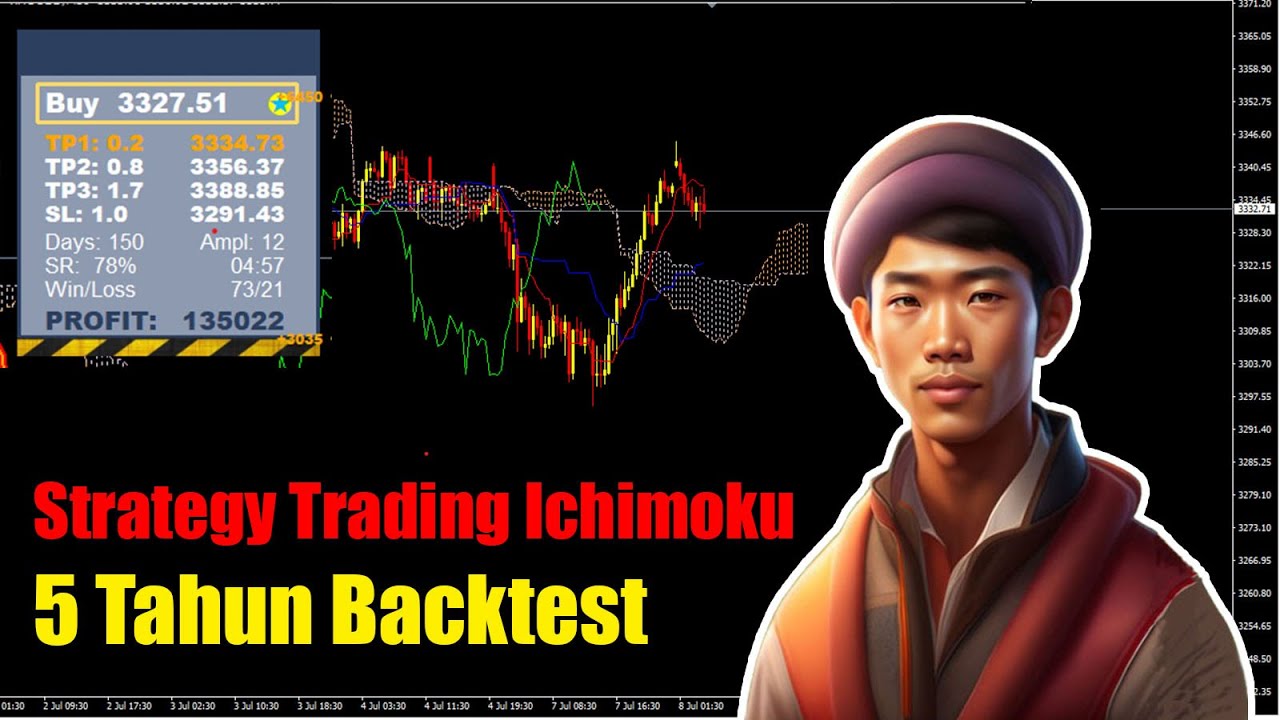
Strategy Trading Ichimoku 5 Tahun Backtest

Mengenali dan Memahami Kebutuhan si Anak Jenius Gifted Children - Trailer

Mark Douglas Trading Psychology 6/7 Probabilistic Principles
5.0 / 5 (0 votes)
