Urban Agriculture 1
Summary
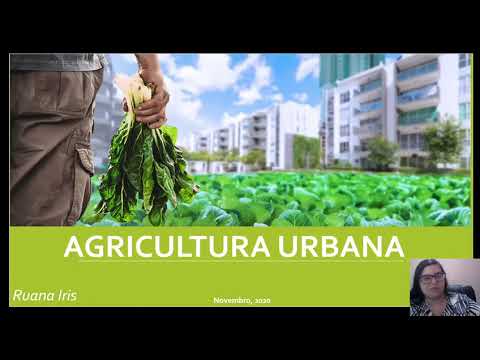
TLDRThis lecture introduces urban agriculture, exploring its history, contemporary examples, and impact on local food systems. Highlighting cities like Paris and Havana, it shows how growing food in urban areas has been a longstanding practice and resurges during times of economic stress, such as during World Wars with victory gardens. The lecture illustrates the diversity of urban agriculture, from apartment herb gardens and backyard chickens to community gardens, school programs, and larger farms like Maya’s Farm and a family farm in Tustin. Emphasizing sustainability, local food, and healthier eating, the lecture provides a clear definition and showcases how urban agriculture thrives at multiple scales within modern cities.
Takeaways
- 😀 Urban agriculture has a long history and can be found in cities worldwide, not just rural areas. Examples include Paris, Havana, and Tucson.
- 😀 Urban agriculture became popular during periods of financial stress, such as during the Great Depression or World Wars, when people were encouraged to grow their own food.
- 😀 Victory gardens, promoted during World Wars, were an early example of urban agriculture aimed at boosting local food production.
- 😀 Modern urban agriculture includes small-scale practices like growing herbs in apartment windows, raising backyard chickens, or having community garden plots.
- 😀 Schools use urban gardening as an educational tool, teaching students about soil, planting, and sustainable food production, which can also encourage healthier eating habits.
- 😀 Larger-scale urban agriculture examples include farms like Maya's Farm near Tucson, which focus on the farm-to-fork movement, promoting locally-grown, organic food.
- 😀 Urban agriculture is thriving in suburban areas as well, like a family-owned farm in Tustin that grows avocados and citrus and operates an honor-system food stand.
- 😀 The concept of urban agriculture can take many forms, from small backyard projects to large commercial farms integrated within city limits.
- 😀 Urban agriculture is linked to promoting local food movements and sustainability, with a growing interest in eating locally and organically.
- 😀 The provided definition of urban agriculture reflects diverse, community-based practices, ranging from individual efforts to large cooperative or commercial-scale operations.
Q & A
What is urban agriculture and how does it differ from traditional farming?
-Urban agriculture refers to growing food and raising animals within urban environments, such as cities. Unlike traditional farming, which typically occurs in rural areas with large amounts of land, urban agriculture makes use of smaller spaces, such as backyards, rooftops, or community gardens, within city limits.
Can you give examples of cities that have a history of urban agriculture?
-Yes, Paris has a long tradition of urban agriculture dating back to the 1800s. Similarly, Havana, Cuba grows 90% of its fresh produce within the city limits, showcasing a well-established practice of urban farming.
How has interest in urban agriculture changed over time in the U.S.?
-Interest in urban agriculture in the U.S. has fluctuated in cycles, often rising during periods of financial stress, such as during the Great Depression or wartime. These booms are typically driven by a desire for local food production and self-sufficiency during times of economic instability.
What were 'victory gardens' and how were they related to urban agriculture?
-'Victory gardens' were home and community gardens encouraged during World War I and World War II. The goal was to increase food production locally to reduce pressure on the public food supply, which helped support the war effort and promoted self-sufficiency during these times of scarcity.
What are some modern examples of urban agriculture?
-Modern examples include planting herbs in apartment windows, raising chickens in backyards, and cultivating produce in community gardens. Larger-scale urban farms, like Maya’s Farm near Tucson, also exemplify urban agriculture through diversified farming and farm-to-fork restaurants.
What is the 'farm-to-fork' movement?
-The 'farm-to-fork' movement emphasizes eating food that is locally grown and organically produced. This movement encourages consumers to support local farmers and enjoy fresh, sustainable food directly from farms to dining tables.
How does urban agriculture promote healthier eating, especially in schools?
-Urban agriculture in schools often involves gardening as an educational tool, allowing students to learn about the soil, plant seeds, and harvest their own crops. This hands-on approach helps students understand where their food comes from and encourages healthier eating habits by consuming fresh, home-grown produce.
Can you describe an example of a small-scale urban farm within a city?
-A family farm in Tustin, California, serves as an example. Situated in a suburban area near schools and shopping centers, this farm grows various fruits like avocados and citrus. The farm has an honor system stand where customers can purchase fresh produce, highlighting the integration of agriculture into urban spaces.
How does urban agriculture contribute to food security in cities?
-Urban agriculture helps to increase food security by providing local, fresh produce directly within cities. This can reduce dependency on outside food sources and lower the impact of food deserts, areas where access to affordable and nutritious food is limited.
What are some challenges faced by urban agriculture initiatives?
-Urban agriculture faces several challenges, including limited space, zoning regulations, and access to resources like water and soil. Additionally, urban farming often competes with other land uses such as housing or commercial development, making it difficult to establish or expand agricultural activities in cities.
Outlines

This section is available to paid users only. Please upgrade to access this part.
Upgrade NowMindmap

This section is available to paid users only. Please upgrade to access this part.
Upgrade NowKeywords

This section is available to paid users only. Please upgrade to access this part.
Upgrade NowHighlights

This section is available to paid users only. Please upgrade to access this part.
Upgrade NowTranscripts

This section is available to paid users only. Please upgrade to access this part.
Upgrade NowBrowse More Related Video




5.0 / 5 (0 votes)
