Pengenalan Teknologi Pneumatik || Introduction to Pneumatic Technology
Summary
TLDRThis lecture from Politeknik ATI Makassar introduces students to pneumatic technology, highlighting its role in industrial automation. The video covers the benefits of pneumatics, such as simplifying mechanical tasks, environmental friendliness, and versatility in industrial applications. Key topics include the characteristics of pneumatic cylinders, including size, stroke, force, and speed, as well as their linear and rotational capabilities. Applications in material handling, packaging, production processes, and quality control are discussed. Finally, the lecture examines the advantages, such as safety and cost-effectiveness, and limitations, including limited power and noise, providing a comprehensive understanding of pneumatic systems in modern industry.
Takeaways
- 😀 Pneumatic systems simplify mechanical tasks and are an essential technology in industrial automation.
- 😀 The air used in pneumatic systems is clean, environmentally friendly, and non-toxic.
- 😀 Compressed air, as an energy source, is widely available, inexpensive, and easy to manage in industrial applications.
- 😀 Pneumatic systems require preprocessing, such as filtering air to ensure it is free of moisture, oil, and debris before use.
- 😀 Pneumatic cylinders come in varying sizes and stroke lengths, with power outputs ranging from 2 N to 45,000 N.
- 😀 The speed of pneumatic cylinders can be controlled, making them versatile for different industrial applications.
- 😀 Pneumatic components are affordable, easy to install, and come in various sizes to suit different industrial needs.
- 😀 Pneumatics are used in industrial processes like material handling, packaging, production processes (drilling, turning), and more.
- 😀 Pneumatic systems are safe to use as they are explosion-proof and provide clean, non-contaminating air output.
- 😀 The limitations of pneumatic systems include potential inconsistencies in pressure, limited power compared to hydraulics, and high noise levels.
- 😀 Pneumatic systems offer high speed and efficiency, but require careful management of air quality and pressure for optimal performance.
Q & A
What is the main topic discussed in the lecture?
-The lecture provides an overview of pneumatic technology, including its benefits, characteristics of pneumatic cylinders, industrial applications, and the advantages and disadvantages of compressed air systems.
Why is pneumatic technology considered important in industrial automation?
-Pneumatic technology is a key supporting system in industrial automation because it enables mechanical movements and processes efficiently using compressed air, making automation possible in many industries.
What are the main components of a pneumatic system?
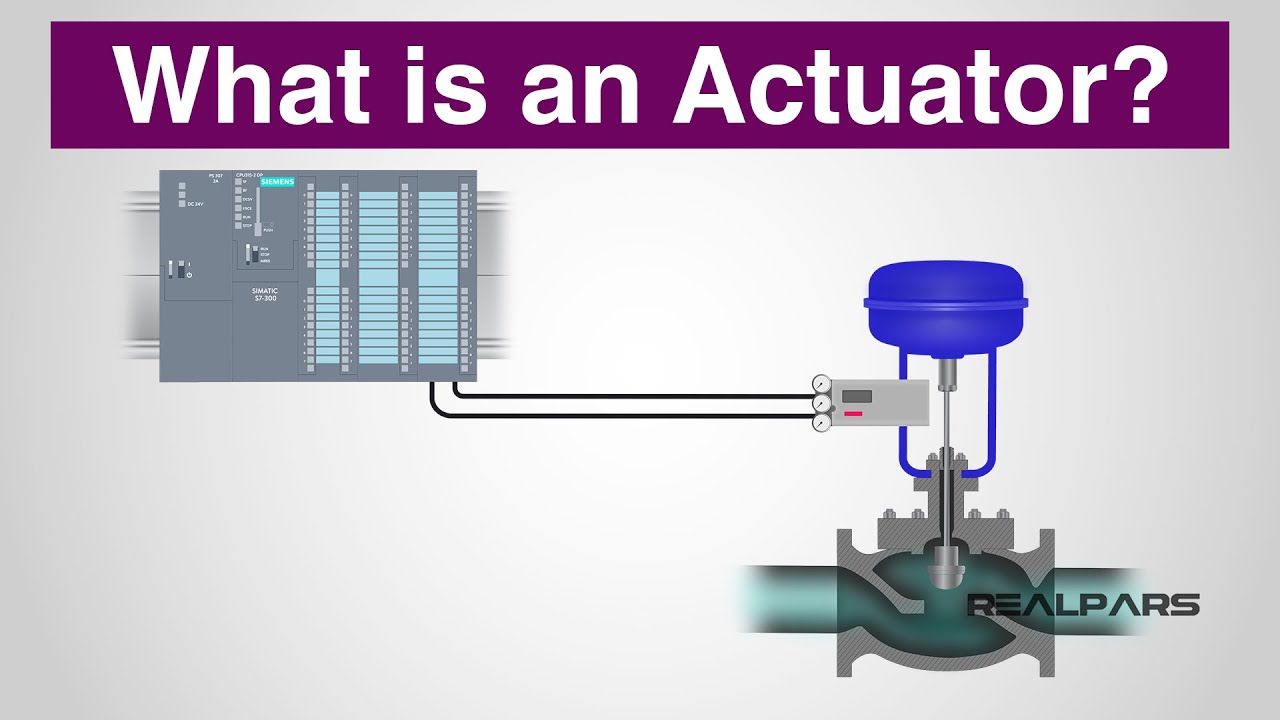
-A pneumatic system typically includes a compressor (air source), a reservoir (storage tank), air filters (to clean the air), pressure regulators, control valves (such as solenoid valves), and actuators like pneumatic cylinders.
Why must compressed air be cleaned before use in a pneumatic system?
-Compressed air must be free from moisture, oil, and dust to prevent damage to components, avoid corrosion, and ensure smooth and reliable operation of the system.
How does the diameter of a pneumatic cylinder affect its performance?
-The diameter of a pneumatic cylinder determines its القوة output; a larger diameter produces greater force, while a smaller diameter produces less force.
What is the typical range of stroke length in pneumatic cylinders?
-The stroke length of pneumatic cylinders typically ranges from 1 mm to 2000 mm, depending on the application requirements.
What are some advantages of pneumatic cylinders?
-Advantages include low cost, simple construction, ease of installation, availability in various sizes, and the ability to perform linear, rotational, and oscillating movements.
What types of industrial activities commonly use pneumatic systems?
-Pneumatic systems are used in material handling (clamping, shifting, positioning), general applications (packaging, filling, sorting), and production processes (drilling, milling, cutting, and finishing).
Why is compressed air considered environmentally friendly?
-Compressed air is clean, does not produce harmful emissions, and does not contaminate the environment, making it a safe and eco-friendly energy source.
What are the main advantages of using compressed air as an energy source?
-Compressed air is widely available, easy to transport through pipes, safe under extreme conditions, non-flammable, clean, fast in operation, and relatively inexpensive.
What are the limitations of pneumatic systems?
-Limitations include the need for air preparation, difficulty in maintaining constant pressure and speed, limited القوة output, and high noise levels during operation.
Why are pneumatic systems considered safe in explosive environments?
-Pneumatic systems use air, which is non-flammable, reducing the risk of explosions compared to systems that use combustible fuels or electrical sparks.
How does noise become a disadvantage in pneumatic systems?
-Noise is generated when compressed air is released from the system, and in large-scale operations with many cylinders, this can result in significant noise pollution requiring protective equipment.
When should hydraulic systems be preferred over pneumatic systems?
-Hydraulic systems should be preferred when higher force or power output is required, as pneumatic systems are limited in القوة compared to hydraulic systems.
Outlines

This section is available to paid users only. Please upgrade to access this part.
Upgrade NowMindmap

This section is available to paid users only. Please upgrade to access this part.
Upgrade NowKeywords

This section is available to paid users only. Please upgrade to access this part.
Upgrade NowHighlights

This section is available to paid users only. Please upgrade to access this part.
Upgrade NowTranscripts

This section is available to paid users only. Please upgrade to access this part.
Upgrade Now


5.0 / 5 (0 votes)
