Kerajaan Sriwijaya by Kelompok 1 #kerajaan#sriwijaya || tugas sejarah
Summary
TLDRThe video discusses the history and significance of the Srivijaya Kingdom, which was founded in the 7th century CE. The kingdom, located in Sumatra, Indonesia, expanded its power through maritime trade and military expansion. It employed the Mandala system of governance and had a strong influence over Southeast Asia, especially in trade and religion, particularly Buddhism. The kingdom's prosperity was bolstered by strategic geographical positioning, key leaders, and thriving commerce. However, the empire eventually declined due to external pressures, including invasions and competition for maritime trade routes.
Takeaways
- 🏰 Sriwijaya Kingdom was founded in the 7th century by Dapunta Sri Jayanasa, who led an expedition with around 20,000 troops.
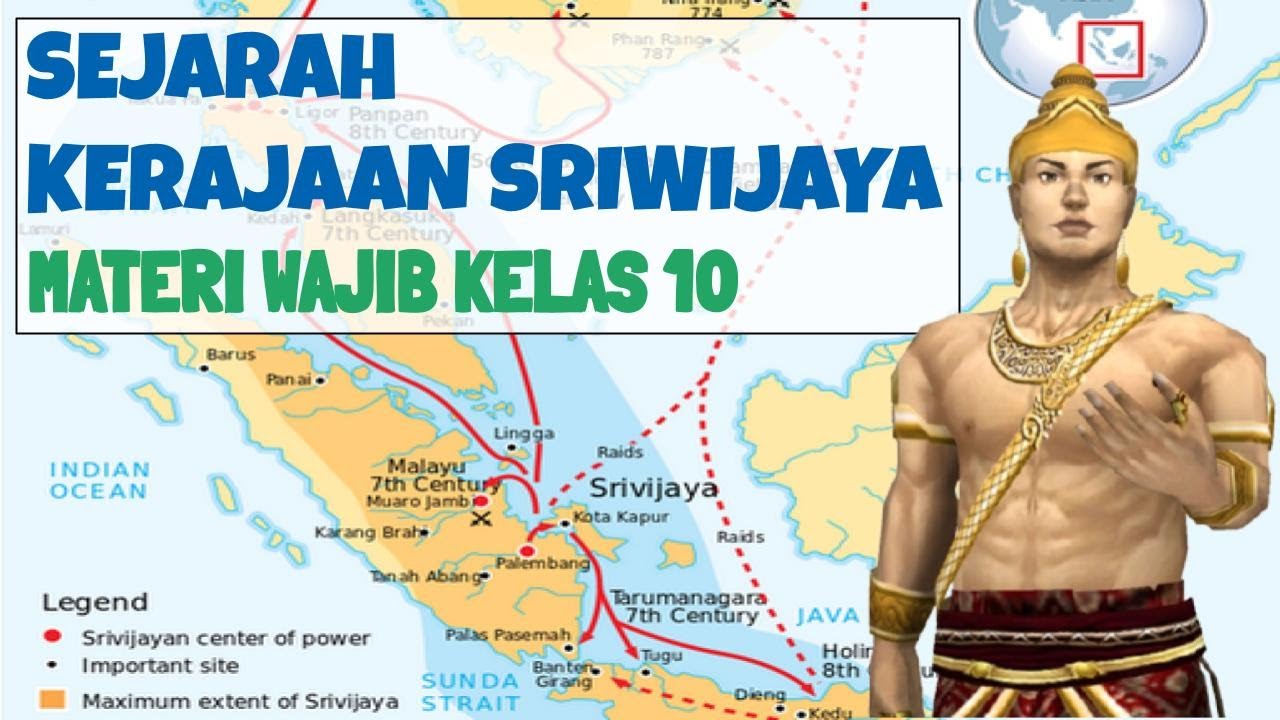
- 🌍 The kingdom's geographical influence extended beyond Sumatra to West Kalimantan, West Java, and southern Thailand using the Mandala system of governance.
- 🏙️ The early capitals included Minangat Tamamuan and later Palembang, with Jambi serving as another center of power.
- 👑 Key rulers included Dapunta Sri Jayanasa, Sri Indrawarman, Balaputra Dewa, Sri Uday Ditarman, Sri Judamani Warmadewa, and Sri Marawijaya Tunggawarman.
- ⚔️ Sriwijaya focused on military expansion, maritime control, and securing strategic trade routes, especially the Malacca Strait.
- 💰 The economy thrived on international maritime trade between India and China, exporting gold, spices, ivory, and luxury goods while also managing imports like ceramics and silk.
- ⛴️ The kingdom excelled in navigation and maritime services, including customs duties, armed escorts for merchants, and control of trading ports.
- 📚 Sriwijaya was a center of education and religion, promoting Mahayana Buddhism and sending students to study in India, particularly at Nalanda University.
- 👥 Social structure consisted of the king and nobility, officials such as military leaders and treasurers, and commoners including traders, farmers, and artisans.
- 🏛️ Cultural legacies include inscriptions in Pallava script, Buddhist temples such as Candi Talang Tuo, and maritime traditions of navigation and international trade.
- ⚠️ The decline of Sriwijaya occurred in the 13th century due to attacks from the Kingdom of Kolamandala, weakening the economy and political power, leading to its eventual collapse.
Q & A
When and by whom was the Sriwijaya Kingdom founded?
-The Sriwijaya Kingdom was founded in the 7th century CE by Dapunta Sri Jayasasa, who led a military expedition with approximately 20,000 soldiers.
What is the Mandala system and how did it affect Sriwijaya's governance?
-The Mandala system is a political model where central power is strongest at the core and gradually weakens outward. In Sriwijaya, this allowed the kingdom to maintain influence over distant regions while decentralizing authority.
Which locations served as the capitals of Sriwijaya, and why did they shift?
-The capitals included Minangat Tamamuan (initial capital), Palembang (developed as the main center due to strategic and economic factors), and Jambi (regional center). Shifts occurred due to strategic expansion and trade considerations.
Who was Balaputra Dewa, and what were his contributions to Sriwijaya?
-Balaputra Dewa was a ruler from the Sailendra dynasty who enhanced international diplomacy, promoted Buddhism education, and established Sriwijaya as a center for Mahayana Buddhism. He also strengthened the kingdom’s international religious and cultural influence.
How did Sriwijaya maintain its maritime dominance?
-Sriwijaya controlled strategic trade routes, enforced maritime security, collected taxes from foreign ships, and maintained a strong naval presence to prevent piracy, ensuring dominance over regional trade.
What were the main economic activities of Sriwijaya?
-Sriwijaya’s economy centered on maritime trade, exporting commodities like gold, spices, ivory, and forest products, while also importing luxury goods such as ceramics and silk. Agriculture and fisheries supported domestic needs.
Describe the social hierarchy in the Sriwijaya Kingdom.
-The social structure had three main layers: 1) The king and datuks; 2) Government officials such as military leaders and treasurers; 3) Commoners including traders, farmers, artisans, and weapon makers.
What role did Sriwijaya play in education and religion?
-Sriwijaya was a center for Mahayana Buddhism education, hosting scholars and students, and maintained religious diplomacy, particularly with India, reinforcing both spiritual and political influence in Southeast Asia.
What are some of the key archaeological remains from Sriwijaya?
-Key remains include inscriptions in Old Malay written in Pallava script, such as the Kedukan Bukit and Talang Tuo inscriptions, Buddhist temples like Candi Talang Tuo, and evidence of maritime traditions.
What caused the decline of the Sriwijaya Kingdom?
-The decline was primarily due to repeated attacks by the Chola Empire (Kolamandala), competition over maritime trade, pressure from neighboring kingdoms, and later, external invasions including those by the Mongols, leading to economic and political weakening.
How did Sriwijaya establish international relations, particularly with China?
-Sriwijaya sent envoys to China, secured diplomatic recognition, and established trade privileges, effectively becoming a recognized intermediary for Southeast Asian trade between China and other regions.
What were the primary exports and imports of Sriwijaya, and how did they impact its economy?
-Primary exports included spices, gold, ivory, and forest products, while imports included luxury items like ceramics and silk. This trade ensured economic prosperity and positioned Sriwijaya as a central hub for international commerce in the region.
Outlines

This section is available to paid users only. Please upgrade to access this part.
Upgrade NowMindmap

This section is available to paid users only. Please upgrade to access this part.
Upgrade NowKeywords

This section is available to paid users only. Please upgrade to access this part.
Upgrade NowHighlights

This section is available to paid users only. Please upgrade to access this part.
Upgrade NowTranscripts

This section is available to paid users only. Please upgrade to access this part.
Upgrade NowBrowse More Related Video



5.0 / 5 (0 votes)
