Agile vs Waterfall: Which Project Management Methodology Is Right for You?
Summary
TLDRIn this video, Andrew from PM Aspirant compares two prominent project management methodologies—Agile and Waterfall. Waterfall follows a structured, linear approach with fixed requirements and detailed planning, making it ideal for projects that demand predictability, like construction. In contrast, Agile is iterative, adaptive, and perfect for projects with evolving needs, such as software development. The video breaks down key differences, pros, and cons of each approach, offering insights into when to use each methodology. It also discusses hybrid methods and provides tips for the PMP exam, making it a helpful guide for project managers.
Takeaways
- 💡 Waterfall is a linear, step-by-step project management methodology with sequential phases like initiation, planning, execution, monitoring, and closing.
- 💡 Agile is an iterative, flexible approach where projects are broken into Sprints, allowing regular feedback and adaptation.
- 📊 Waterfall works best for projects with stable requirements and predictable outcomes, such as construction or compliance-based projects.
- 🔄 Agile is ideal for dynamic environments where requirements are likely to change, such as software development or projects needing frequent stakeholder input.
- 📝 Waterfall emphasizes heavy documentation and upfront planning, while Agile uses lightweight documentation and continuous planning throughout the project.
- 🤝 Customer involvement is minimal in Waterfall after initial requirements are set, but Agile encourages ongoing collaboration and feedback.
- -
- ⚖️ Waterfall delivers the final product at the end, whereas Agile delivers usable increments after each Sprint.
- -
- ✅ Waterfall’s strengths lie in predictability and structured progress tracking, but it is rigid and less adaptable to changes mid-project.
- -
- ✅ Agile’s strengths include adaptability and responsiveness to feedback, but it can be less predictable in terms of time and cost, requiring high engagement.
- -
- 🔀 Many projects use a hybrid approach, combining Waterfall for planning phases and Agile for development, balancing predictability with flexibility.
- -
- 🎯 For PMP exam preparation, look for keywords and project context: fixed, sequential, and stable indicate Waterfall; iterative, evolving, and dynamic indicate Agile.
Q & A
What is the main difference between the waterfall and agile project management methodologies?
-Waterfall is a linear, sequential approach with fixed phases and requirements, whereas Agile is iterative and adaptive, breaking projects into Sprints with frequent feedback and evolving requirements.
In what type of projects is the waterfall methodology most suitable?
-Waterfall is best for projects with clear, stable requirements that are unlikely to change, such as construction or compliance-based projects that need detailed documentation and formal approvals.
How does Agile handle changing requirements compared to Waterfall?
-Agile welcomes changing requirements and adapts continuously through iterative planning and regular feedback, while Waterfall is rigid and changes mid-project can disrupt the plan.
What are the key characteristics of the waterfall methodology?
-Waterfall features sequential phases, a fixed scope, heavy documentation, and upfront planning to predict timelines, costs, and outcomes.
What are the key characteristics of Agile methodology?
-Agile is iterative, allows flexible scope, encourages strong customer collaboration, uses lightweight documentation, and adapts quickly to feedback.
How do the planning approaches differ between Agile and Waterfall?
-Waterfall relies on detailed upfront planning, while Agile performs ongoing planning throughout the project to accommodate changes and evolving requirements.
What is a hybrid project management approach?
-A hybrid approach combines Waterfall and Agile, for example using Waterfall for initial planning and Agile for development, leveraging both structure and flexibility for complex projects.
Why might Agile projects feel less predictable compared to Waterfall projects?
-Because Agile continuously adapts to feedback and changing requirements, time and cost estimates are less fixed, requiring ongoing engagement from both the project team and stakeholders.
How does customer involvement differ between Agile and Waterfall?
-In Agile, customer feedback is continuous throughout the project, whereas in Waterfall, customer input typically occurs only during initial requirement setting and minimal involvement afterward.
What are some tips to recognize whether a project should use Agile or Waterfall?
-Look for keywords in the project description: fixed requirements and sequential phases suggest Waterfall, while iterative feedback and Sprints indicate Agile. Consider the project environment: stable environments favor Waterfall, dynamic environments favor Agile. Also, assess the level of required customer involvement.
Outlines

This section is available to paid users only. Please upgrade to access this part.
Upgrade NowMindmap

This section is available to paid users only. Please upgrade to access this part.
Upgrade NowKeywords

This section is available to paid users only. Please upgrade to access this part.
Upgrade NowHighlights

This section is available to paid users only. Please upgrade to access this part.
Upgrade NowTranscripts

This section is available to paid users only. Please upgrade to access this part.
Upgrade NowBrowse More Related Video
Waterfall vs. Agile in 60 seconds
Project Management: Waterfall, Agile, & Hybrid Approaches
Waterfall and Agile Documentation | In-Demand Business Analyst
Agile vs Waterfall: The 3 Most Impactful Differences
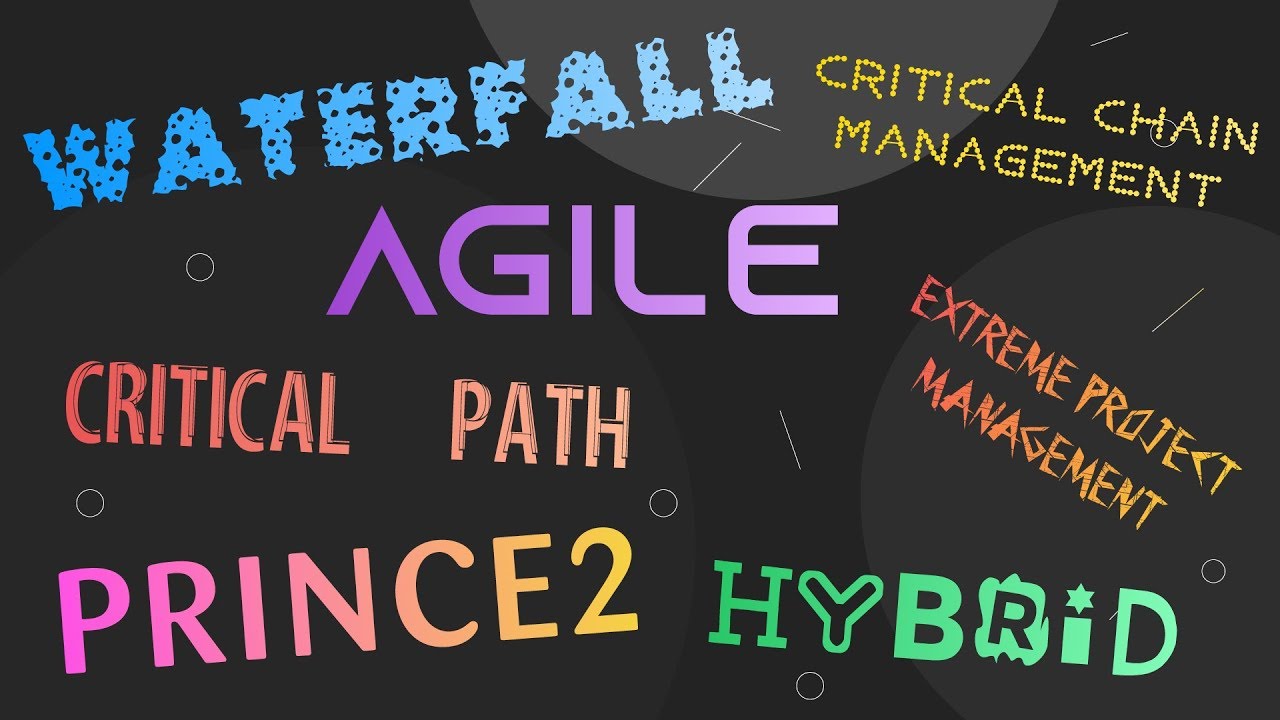
7 Important Project Management Methodologies You Need To MASTER
MANPRO 2.0 Fase dalam Manajemen Proyek
5.0 / 5 (0 votes)
