KULTUM PAIS LOVE RAMADHAN #11# MENGHAPUS DOSA DENGAN ISTIGHFAR DAN TAUBAT
Summary
TLDRIn this sermon, the speaker emphasizes the importance of seeking forgiveness and repentance through istighfar (seeking Allah's forgiveness) and taubah (repentance). Acknowledging human flaws and sins, the speaker reminds the audience that Allah is the Most Forgiving, and that repentance should be sincere, with the firm intention to not repeat the sins. The sermon highlights that seeking forgiveness is immediate, not bound by specific moments like with humans. The speaker stresses the urgency of repentance before it's too late, as death could come unexpectedly, and calls for introspection, especially during the blessed month of Ramadan, aiming for self-improvement and spiritual growth.
Takeaways
- 😀 Allah is full of mercy and forgiveness, with names like Al-Afu (The Pardoner) and Al-Ghafur (The Forgiver).
- 😀 Humans are prone to committing sins, intentionally or unintentionally, and seeking forgiveness from Allah is essential.
- 😀 Asking for forgiveness from Allah through *Astaghfirullaha’l Azim* is a simple yet powerful way to erase minor sins.
- 😀 Major sins require sincere repentance (taubat), which involves regret, commitment to never repeat the sin, and a firm resolve to change.
- 😀 Repentance should be immediate, as death is unpredictable. Waiting for specific occasions to repent is not advised.
- 😀 We should never delay seeking forgiveness or repentance, especially when we are aware of our sins.
- 😀 Self-reflection (muhasabah) is important to assess our actions and seek forgiveness for any shortcomings daily.
- 😀 Ramadan is a month of mercy, a perfect opportunity for spiritual growth and improvement.
- 😀 We should aim to be better Muslims during Ramadan, purifying ourselves and striving for *khusnul khatimah* (a good end).
- 😀 Repentance is not temporary; true taubat is sincere, lasting, and involves a commitment to avoid repeating past sins.
Q & A
What is the main theme of the speech?
-The main theme of the speech is about seeking forgiveness from Allah, particularly through the practices of istighfar (seeking forgiveness) and taubat (repentance), and emphasizing the importance of doing so sincerely and promptly, especially during the month of Ramadan.
Why is istighfar important in Islam?
-Istighfar is important in Islam because it is a means of seeking forgiveness for one's sins. It allows individuals to ask Allah for pardon, and it is a key practice to purify oneself and maintain a close relationship with Allah.
How is seeking forgiveness from Allah different from asking forgiveness from humans?
-Seeking forgiveness from Allah is not bound by specific times or circumstances, unlike with humans. One does not need to wait for particular events like Eid to ask for forgiveness; instead, one can seek Allah’s forgiveness anytime, with sincere intentions and humility.
What does the phrase 'Astaghfirullaha Al-Azim' mean?
-'Astaghfirullaha Al-Azim' means 'O Allah, forgive me.' It is a common phrase used in istighfar to sincerely ask Allah for forgiveness for any sins committed.
What is the significance of taubat (repentance) in the context of major sins?
-Taubat, or repentance, is especially important for major sins. Unlike istighfar, which may be sufficient for minor sins, true repentance involves a firm commitment not to repeat the sin. It requires sincerity, regret, and the intention to never return to the sinful behavior.
What does 'taubatan nasuha' mean, and why is it important?
-'Taubatan nasuha' means sincere repentance. It is important because it represents a genuine and steadfast commitment to turn away from sins and to seek Allah’s forgiveness, ensuring that one does not repeat the sin again.
What does the speaker mean by saying 'Ajal does not wait for time'?
-The speaker is emphasizing the unpredictability of death. One should not delay repentance or seeking forgiveness because life is uncertain, and death can come at any moment. Therefore, it is important to repent immediately rather than postponing it for later.
Why should we engage in muhasaba (self-reflection) before going to bed?
-Engaging in muhasaba, or self-reflection, before sleeping helps to evaluate one's actions of the day, determining whether they were good or bad. This reflection ensures that any wrongdoings are acknowledged, and forgiveness is sought from Allah, helping to improve oneself continuously.
What does the speaker suggest for improving oneself during Ramadan?
-The speaker suggests using Ramadan as a time for self-improvement and spiritual growth. This can be achieved by sincerely seeking forgiveness from Allah, performing good deeds, and striving to become a better person, aiming for a good end in life (khusnul khatimah).
What is the meaning of 'khusnul khatimah'?
-'Khusnul khatimah' refers to a good end or a righteous death. It signifies the hope to die in a state of faith, having lived a life pleasing to Allah, and having repented for any sins committed.
Outlines

This section is available to paid users only. Please upgrade to access this part.
Upgrade NowMindmap

This section is available to paid users only. Please upgrade to access this part.
Upgrade NowKeywords

This section is available to paid users only. Please upgrade to access this part.
Upgrade NowHighlights

This section is available to paid users only. Please upgrade to access this part.
Upgrade NowTranscripts

This section is available to paid users only. Please upgrade to access this part.
Upgrade NowBrowse More Related Video

ISTIGFAR DAN TAUBAT DI BULAN RAMADHAN

KHUTBAH JUMAT KH. MARZUQI MUSTAMAR - 29/05/20

Hubungan Taubat, Istighfar dan Tauhid - Ustadz Nurdin Apud Sarbini, Lc., M.Pd

[Dawuh Guru Jilid 3 Eps. 11] Bertaubat dan Memperbanyak Istigfar - Sri Wahyuni, S.Pd.- SMPN 3 Madiun

Hikmah Ramadhan dari Ustadz H. Muhammad Irfan Dengan Tema "Menutup Ramadhan Dengan Istighfar"
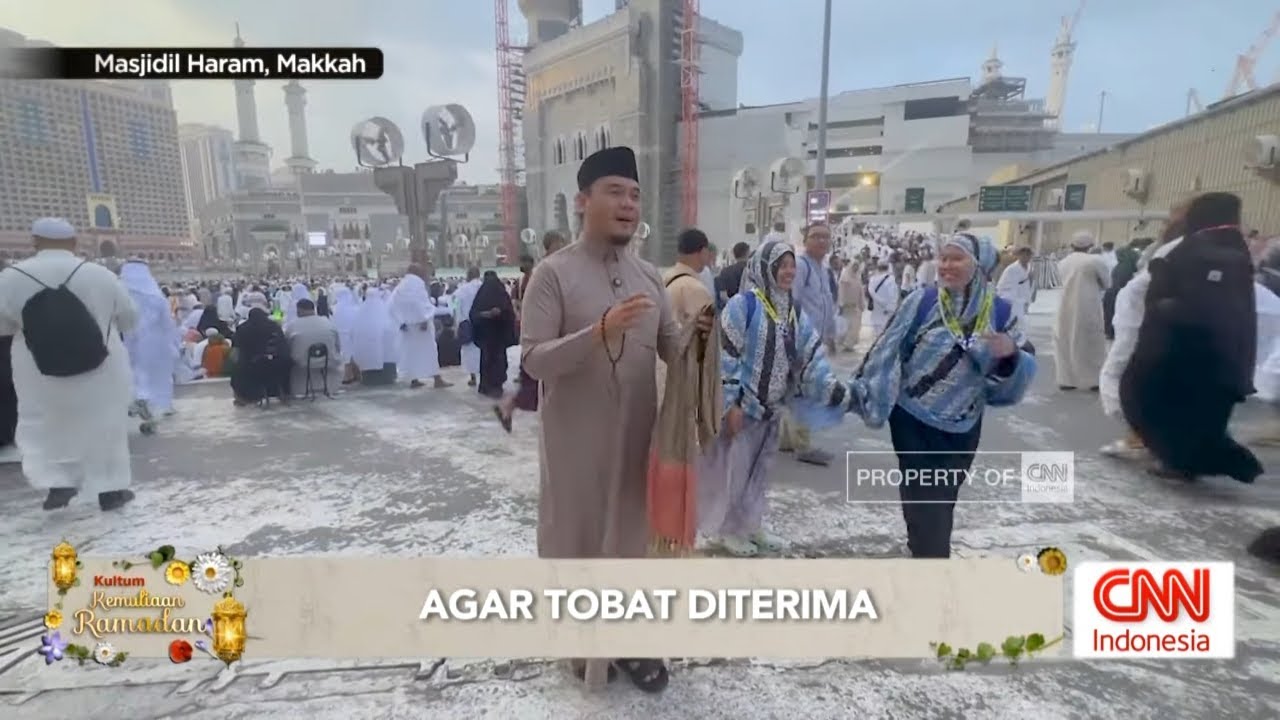
Agar Tobat Diterima | Kultum Kemuliaan Ramadan bersama Ustaz Hilman Fauzi
5.0 / 5 (0 votes)
