12 SISTEM SARAF KRANIAL - Belajar Anatomi dan Fisiologi
Summary
TLDRThis video provides a detailed overview of the 12 cranial nerves in human anatomy. Hosted by Faris Naufal, it explains the functions of each cranial nerve, from the olfactory nerve responsible for smell to the hypoglossal nerve controlling tongue movements. The video also covers the role of cranial nerves in vision, movement, balance, facial expression, and autonomic functions, such as digestion and swallowing. It emphasizes the importance of these nerves in coordinating various bodily functions and their relevance in health and physiology education.
Takeaways
- 😀 The cranial nervous system consists of 12 pairs of nerves that control various sensory and motor functions in the human body.
- 😀 The olfactory nerve (I) is responsible for the sense of smell, sending odor information to the brain for identification.
- 😀 The optic nerve (II) allows us to see and helps our eyes adjust to different lighting conditions (light to dark and vice versa).
- 😀 The oculomotor nerve (III) controls eye movement, including blinking, focusing, and pupil responses to light.
- 😀 The trochlear nerve (IV) enables the eye to move up and down, assisting in eye movement coordination.
- 😀 The trigeminal nerve (V) has three branches: ophthalmic, maxillary, and mandibular, which are responsible for sensory functions in the face and motor control of the jaw.
- 😀 The abducens nerve (VI) controls lateral eye movement, allowing the eye to move side to side.
- 😀 The facial nerve (VII) governs facial expressions, such as smiling and frowning, and also plays a role in taste sensation and salivation.
- 😀 The vestibulocochlear nerve (VIII) is responsible for hearing and balance, helping the body maintain equilibrium.
- 😀 The glossopharyngeal nerve (IX) helps with swallowing, salivation, and taste, and monitors blood pressure in the throat area.
- 😀 The vagus nerve (X) regulates autonomic functions such as digestion, heart rate, and respiration, affecting organs from the brainstem to the abdomen.
- 😀 The accessory nerve (XI) controls head and shoulder movement, coordinating muscles like the trapezius and sternocleidomastoid.
- 😀 The hypoglossal nerve (XII) governs the movement of the tongue, enabling functions like speaking, eating, and forming sounds.
Q & A
What are cranial nerves, and why are they important?
-Cranial nerves are a set of 12 nerves that originate directly from the brain and brainstem. They are crucial for regulating various functions such as sensory, motor, and autonomic activities throughout the body, including the senses, movement, and internal organ functions.
What is the role of the olfactory nerve (Cranial Nerve I)?
-The olfactory nerve is responsible for the sense of smell. It transmits sensory information from the nose to the brain, allowing us to detect and identify different odors.
How does the optic nerve (Cranial Nerve II) contribute to vision?
-The optic nerve enables the sense of sight. It carries visual information from the retina to the brain, helping us perceive light, images, and colors, as well as adjusting to varying lighting conditions.
What functions does the oculomotor nerve (Cranial Nerve III) control?
-The oculomotor nerve controls eye movement, including the ability to blink, focus on objects at different distances, and adjust the pupil size in response to light.
What is the function of the trochlear nerve (Cranial Nerve IV)?
-The trochlear nerve is responsible for eye movement, specifically allowing the eye to move up and down, as well as controlling the superior oblique muscle of the eye.
How does the trigeminal nerve (Cranial Nerve V) affect sensation and movement in the face?
-The trigeminal nerve is a mixed nerve with three branches: the ophthalmic (sensory to the forehead), maxillary (sensory to the cheeks and upper lip), and mandibular (motor and sensory for the lower jaw, tongue, and chewing muscles). It plays a key role in facial sensation and motor control for chewing.
What is the role of the abducent nerve (Cranial Nerve VI)?
-The abducent nerve controls the lateral rectus muscle of the eye, which allows the eye to move horizontally outward. Damage to this nerve can cause issues like crossed eyes (strabismus).
What does the facial nerve (Cranial Nerve VII) control?
-The facial nerve controls facial expressions, such as smiling or frowning, and is also involved in taste sensation on the front two-thirds of the tongue. It has both sensory and motor functions.
What are the primary functions of the vestibulocochlear nerve (Cranial Nerve VIII)?
-The vestibulocochlear nerve is responsible for hearing (via the cochlear branch) and balance (via the vestibular branch). It allows us to detect sound and maintain equilibrium.
What is the function of the glossopharyngeal nerve (Cranial Nerve IX)?
-The glossopharyngeal nerve has both sensory and motor functions, including controlling the sensation in the throat and tongue, facilitating swallowing, and contributing to saliva production. It also helps with taste on the back of the tongue.
What role does the vagus nerve (Cranial Nerve X) play in the body?
-The vagus nerve controls autonomic functions in the body, particularly in the digestive system. It regulates involuntary functions like heart rate, digestion, and respiratory rate, extending from the brain to various internal organs.
What is the function of the accessory nerve (Cranial Nerve XI)?
-The accessory nerve controls motor functions for the muscles of the neck and shoulders. It helps with movements such as turning the head and shrugging the shoulders.
What does the hypoglossal nerve (Cranial Nerve XII) control?
-The hypoglossal nerve controls the muscles of the tongue, allowing for movement essential for speech and swallowing, as well as for tasting and responding to different flavors.
Outlines

This section is available to paid users only. Please upgrade to access this part.
Upgrade NowMindmap

This section is available to paid users only. Please upgrade to access this part.
Upgrade NowKeywords

This section is available to paid users only. Please upgrade to access this part.
Upgrade NowHighlights

This section is available to paid users only. Please upgrade to access this part.
Upgrade NowTranscripts

This section is available to paid users only. Please upgrade to access this part.
Upgrade NowBrowse More Related Video
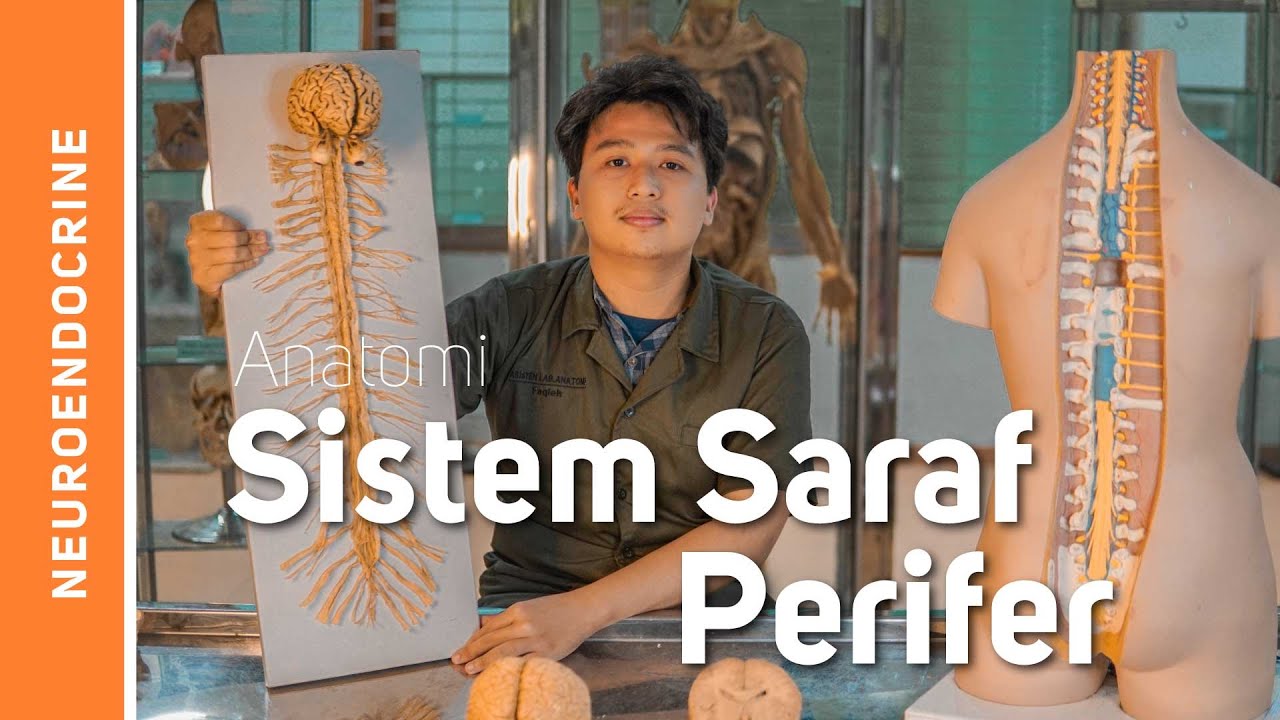
Anatomi Sistem Saraf-Sistem Saraf Tepi (Nervi cranialis et spinalis)

Los 12 pares craneales: una manera sencilla de aprenderlos en menos de 10 minutos

Panduan OSCE : 12 Saraf Kranial beserta Fungsinya | Saraf Kranial

Cranial Nerve BASICS - The 12 cranial nerves and how to REMEMBER them!

Anatomi Sistem Saraf-Truncus Cerebri (Batang Otak)

NERVOUS SYSTEM - ANATOMY AND PHYSIOLOGY
5.0 / 5 (0 votes)
