Mirrorless Cameras Explained
Summary
TLDRThe shift from DSLR to mirrorless cameras is a significant change in the photography world. Mirrorless cameras, which replace the optical viewfinder with an electronic one, offer a more compact and lightweight design. They provide benefits like easier focusing, live previews of settings, and high-quality image and video performance. However, they come with downsides such as shorter battery life and higher costs. Despite these drawbacks, mirrorless cameras are increasingly seen as a worthy investment due to their advanced features, speed, and overall performance, often surpassing traditional DSLRs.
Takeaways
- 😀 Mirrorless cameras are gaining popularity as they replace traditional DSLR cameras in the photography world.
- 😀 Unlike DSLRs, mirrorless cameras use an electronic viewfinder instead of an optical one.
- 😀 In DSLRs, the optical viewfinder uses a system of mirrors and prisms to show the scene you're photographing.
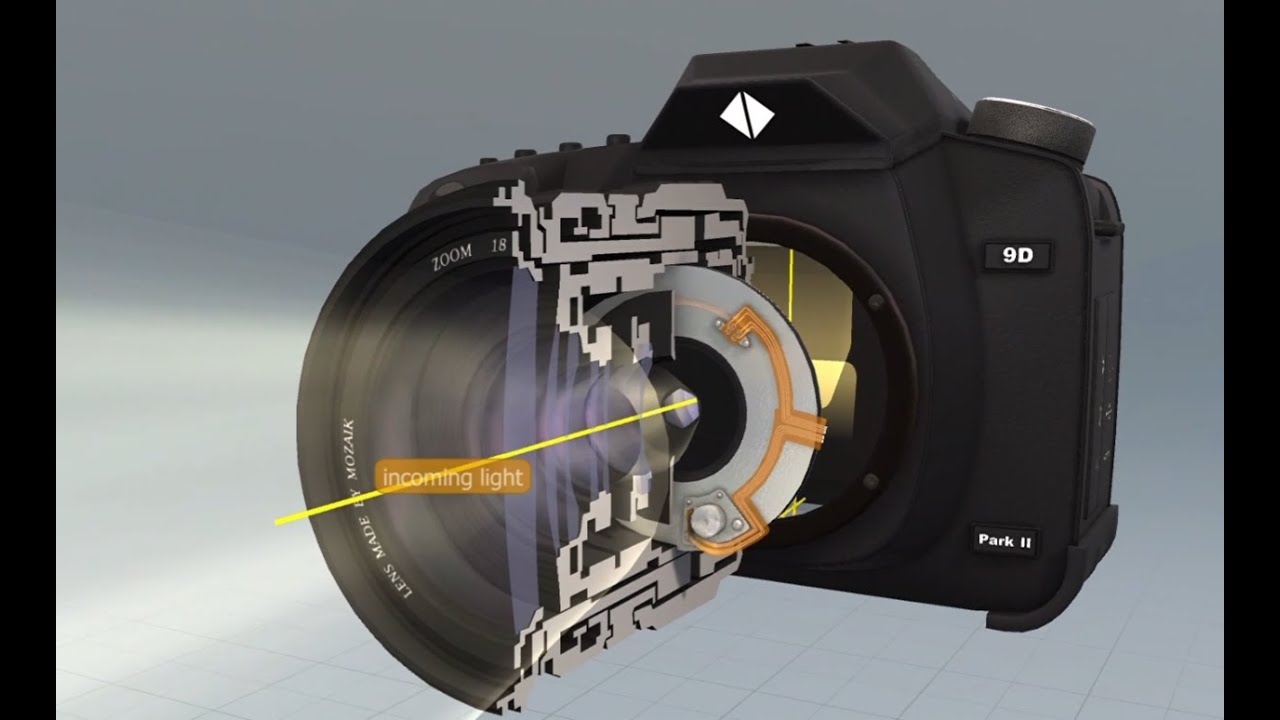
- 😀 Mirrorless cameras allow light to pass directly onto the image sensor and use an electronic viewfinder to display the scene.
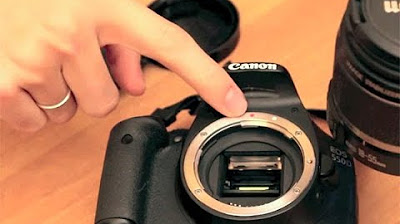
- 😀 DSLRs use a reflex mirror that flips up to expose the sensor and capture the image, whereas mirrorless cameras use either a mechanical or electronic shutter.
- 😀 The mechanical shutter in mirrorless cameras uses physical shutters, while the electronic shutter captures images without any physical movement.
- 😀 Mirrorless cameras are generally more compact and lightweight than DSLRs due to the absence of mirrors and pentaprism.
- 😀 The electronic viewfinder in mirrorless cameras enables live previews of exposure, saturation, and white balance settings.
- 😀 Mirrorless cameras are equipped with features like contrast detection autofocus and focus peaking for faster and easier focusing on static objects.
- 😀 Some downsides of mirrorless cameras include shorter battery life due to the need to power the electronic viewfinder and higher costs compared to DSLRs.
- 😀 Despite their disadvantages, mirrorless cameras offer superior features and can match or outperform DSLRs in image quality, video quality, and speed.
Q & A
What is the main difference between a DSLR camera and a mirrorless camera?
-The main difference is that a DSLR uses an optical viewfinder, which relies on a system of mirrors and a pentaprism to reflect the image into the viewfinder, while a mirrorless camera uses an electronic viewfinder and does not have mirrors, instead allowing light to pass directly to the image sensor.
How does the optical viewfinder in a DSLR work?
-The optical viewfinder in a DSLR works by directing light through the lens and reflecting it off a mirror into a pentaprism, which then projects the image into the viewfinder for the photographer to see the scene directly.
How does a mirrorless camera capture an image differently from a DSLR?
-A mirrorless camera captures an image by allowing light to pass directly through the lens onto the image sensor. The image is then displayed in the electronic viewfinder, while a DSLR captures light through a mirror system and projects it through the optical viewfinder.
What are the two types of shutters used in mirrorless cameras?
-Mirrorless cameras can use a mechanical shutter, which involves physical shutters to expose the sensor, or an electronic shutter, which uses the sensor itself to record the image without any physical movement.
Why do mirrorless cameras have smaller bodies compared to DSLRs?
-Mirrorless cameras have smaller bodies because they do not require the mirror and pentaprism system found in DSLRs. This allows manufacturers to design more compact and lightweight cameras.
What are the advantages of the electronic viewfinder in a mirrorless camera?
-The electronic viewfinder in a mirrorless camera allows users to preview live changes to settings like exposure, saturation, white balance, and histograms, offering a more accurate representation of the final image compared to an optical viewfinder.
What are some of the key advantages of mirrorless cameras over DSLRs?
-Some key advantages of mirrorless cameras include their smaller and lighter bodies, the ability to preview settings in the electronic viewfinder, and features like contrast-detect autofocus and focus peaking, which make focusing faster and easier.
What are the disadvantages of mirrorless cameras compared to DSLRs?
-The main disadvantages of mirrorless cameras are their shorter battery life due to the need to keep the electronic viewfinder on, and their generally higher cost compared to DSLRs.
How does contrast-detect autofocus work in a mirrorless camera?
-Contrast-detect autofocus works by analyzing the contrast between pixels on the image sensor. When the contrast is maximized, the camera knows that the subject is in focus, making it ideal for focusing on static objects.
Are mirrorless cameras better than DSLRs in all aspects?
-Mirrorless cameras are capable of matching or even outperforming DSLRs in areas like image quality, video quality, and speed, but they may not always be better depending on factors like battery life, cost, and specific use cases.
Outlines

This section is available to paid users only. Please upgrade to access this part.
Upgrade NowMindmap

This section is available to paid users only. Please upgrade to access this part.
Upgrade NowKeywords

This section is available to paid users only. Please upgrade to access this part.
Upgrade NowHighlights

This section is available to paid users only. Please upgrade to access this part.
Upgrade NowTranscripts

This section is available to paid users only. Please upgrade to access this part.
Upgrade NowBrowse More Related Video




5.0 / 5 (0 votes)
