SHS PERSONAL DEVELOPMENT-Q2 LESSON23-Family Structures and Legacies
Summary
TLDRThis lesson focuses on the concept of family structures and legacies, exploring various family types such as nuclear, extended, single-parent, and step-families, and how they shape children's development. It emphasizes the importance of emotional, social, and spiritual legacies passed down through generations. Parents play a vital role in creating a stable and loving environment for their children's growth, nurturing their emotional well-being, teaching social skills, and imparting spiritual values. The lesson encourages reflection on how parents can consciously build a positive legacy that will impact future generations.
Takeaways
- 😀 Family is the basic unit of society, typically composed of parents and children, living in one household.
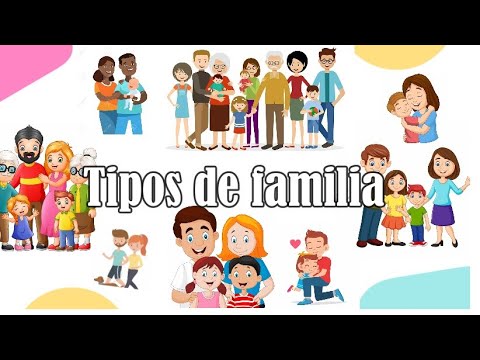
- 😀 Family structures vary and can include nuclear families, extended families, single-parent families, stepfamilies, and more.
- 😀 A nuclear family consists of a married couple and their children, while an extended family includes additional relatives like grandparents, aunts, and uncles.
- 😀 A single-parent family is formed when one parent raises the children, which could be due to divorce, the death of a parent, or adoption.
- 😀 Step families occur when parents remarry, bringing children from previous relationships into a new family dynamic.
- 😀 Adoptive families consist of parents who legally adopt children, regardless of biological relation.
- 😀 Biracial or multiracial families are formed when parents come from different racial backgrounds.
- 😀 The emotional legacy from parents provides a stable, safe, and nurturing environment, helping children build self-confidence and identity.
- 😀 The social legacy emphasizes teaching children how to relate to others and develop healthy relationships through respect, responsibility, and boundaries.
- 😀 Spiritual legacy is crucial for children's growth, and parents are the primary guides in helping children understand spiritual values and beliefs.
- 😀 Parents are responsible for nurturing their children's emotional, social, and spiritual development, passing on legacies that influence future generations.
Q & A
What is the definition of family according to the lesson?
-Family is defined as a group of people living in the same household, whether related by blood or other relationships. It is the smallest unit of society and a basic organizational structure in the community.
What are the different types of family structures mentioned in the lesson?
-The lesson covers several family structures, including nuclear family, extended family, single-parent family, stepfamily, foster family, adoptive family, biracial/multiracial family, transracial adopted family, childless family, LGBTQ family, migrant family, and immigrant family.
What is the key characteristic of a nuclear family?
-A nuclear family consists of a married couple and their children living together in one household. It is often referred to as the traditional family structure.
How is an extended family different from a nuclear family?
-An extended family includes not only the parents and children but also other relatives such as grandparents, aunts, uncles, and cousins, all living together in one household.
What defines a single-parent family?
-A single-parent family consists of one parent raising their children, which may result from divorce, the death of a parent, or single-parent adoption.
What is the significance of a spiritual legacy in a family?
-A spiritual legacy refers to the beliefs and values regarding spirituality that parents pass down to their children. It plays a vital role in shaping their spiritual understanding, often through religious practices or teachings.
What are the components of an emotional legacy?
-An emotional legacy involves providing a safe, supportive environment for children, where they can grow emotionally. Key elements include love, stability, trust, and unconditional support.
Why is social legacy important for children?
-A social legacy equips children with the skills needed to build healthy relationships. This includes respect, responsibility, social boundaries, and the ability to relate well with others in various settings, such as at home, in school, and later in the workplace.
How do parents influence the spiritual legacy of their children?
-Parents influence their children's spiritual legacy by teaching and modeling spiritual values, such as love, respect, and forgiveness. Children often perceive God based on their parents' attitudes and behaviors.
What is the difference between a migrant family and an immigrant family?
-A migrant family temporarily moves to a different location, often due to work-related reasons, like a military assignment. In contrast, an immigrant family has one or both parents who have permanently moved to another country, often with the intention of gaining citizenship.
Outlines

This section is available to paid users only. Please upgrade to access this part.
Upgrade NowMindmap

This section is available to paid users only. Please upgrade to access this part.
Upgrade NowKeywords

This section is available to paid users only. Please upgrade to access this part.
Upgrade NowHighlights

This section is available to paid users only. Please upgrade to access this part.
Upgrade NowTranscripts

This section is available to paid users only. Please upgrade to access this part.
Upgrade NowBrowse More Related Video


5.0 / 5 (0 votes)
