Qatar's travel industry aims for a greener future | The Exchange
Summary
TLDRThis special edition of 'The Exchange' explores the aviation industry's drive toward sustainability, featuring key initiatives at Hamad International Airport in Doha, Qatar Airways, and European companies like Sonica. Efforts include reducing carbon emissions, improving fuel efficiency, and adopting greener technologies. Qatar Airways is investing in eco-friendly aircraft, while Sonica is making its production lines more sustainable. The sector aims to save $35 billion by going green, and despite recent successes, experts note that the journey towards full sustainability is just beginning. The episode highlights how the industry is balancing profitability with environmental responsibility.
Takeaways
- 😀 Hamad International Airport in Doha is focused on sustainability and aims to become one of the most sustainable transport hubs in the world.
- 🌍 Qatar Airways is continuously investing in new technology, making each new aircraft 20-22% more fuel efficient than the previous one.
- 💧 Hamad International Airport recycles water used for plantation, utilizing sewage treatment byproducts for irrigation.
- 🌱 Over 30 million passengers use Hamad International Airport annually, but the airport's vision goes beyond just increasing passenger numbers – sustainability is key.
- 📈 The aviation sector's efforts towards sustainability are projected to save the industry up to $35 billion through green initiatives.
- ♻️ Hamad International Airport recycles and reuses 4,000 tons of organic compost annually.
- ✈️ Qatar Airways and the state of Qatar are both heavily invested in reducing carbon emissions for the benefit of future generations.
- 🌍 Europe-based Sonica, a company producing wing slats for aircraft, is actively working to make aviation more sustainable, including carbon-neutral goals by 2050.
- 🔋 Sonica has implemented greener production methods, replacing harmful chemicals and investing in battery-powered systems.
- 💡 The aviation sector is thriving post-pandemic, with airlines seeing high demand, strong profits, and optimistic future prospects.
- ⚡ Sustainability in aviation is a race, and while challenges remain, the industry's efforts are taking flight with significant investment and commitment.
Q & A
What is the main focus of Hamad International Airport's sustainability efforts?
-Hamad International Airport focuses on reducing carbon emissions, recycling water, using energy-efficient systems, and incorporating sustainable aviation technologies, all while maintaining high service standards.
How does Qatar Airways contribute to sustainability in aviation?
-Qatar Airways contributes by continuously investing in new, more fuel-efficient airplanes, with each new aircraft being 20-22% more fuel-efficient than the previous one. They also focus on reducing carbon emissions and supporting green initiatives.
What are some of the environmental practices implemented at Hamad International Airport?
-Hamad International Airport recycles organic waste, including 4,000 tons of compost annually, and uses treated sewage water for its plantation. The airport also prioritizes natural daylight to reduce energy consumption.
Can sustainability in the aviation industry be commercially successful in the short and medium term?
-Yes, it is possible. Qatar Airways and the state of Qatar are both committed to sustainability, investing in green technologies while maintaining high levels of service and profitability, showing that environmental responsibility and business success can coexist.
How is Sonica contributing to the greening of the aviation industry?
-Sonica, a company in Belgium, manufactures wing slats for airplanes, focusing on improving aerodynamic performance, reducing fuel consumption, and replacing harmful chemicals in production. They’ve also invested in battery-powered systems and green operations.
What role does greening the production line play in Sonica's sustainability efforts?
-Greening the production line is central to Sonica's sustainability efforts. By improving the aerodynamic efficiency of airplane components like wing slats, they help reduce the overall fuel consumption and environmental impact of aircraft.
What are some of the challenges the aviation industry faces in terms of reducing emissions?
-The aviation industry faces the challenge of reducing CO2 emissions while maintaining profitability. Although advancements like more fuel-efficient planes and greener production processes are helping, achieving carbon neutrality by 2050 remains a significant task.
What sustainability milestone has the aviation sector set for 2050?
-The aviation sector, including the One World Alliance members, has pledged to reach net zero carbon emissions by 2050.
How much economic benefit is expected from sustainability in the aviation industry?
-The sustainability efforts in the aviation sector are predicted to save a staggering $35 billion, as going green improves efficiency and reduces long-term costs.
What is the current state of the airline industry post-COVID, according to experts?
-Post-COVID, the airline industry is in a strong position with high demand, profitability, and record ticket prices. This positions airlines well for future growth, although the need to balance profitability with sustainability remains a challenge.
Outlines

This section is available to paid users only. Please upgrade to access this part.
Upgrade NowMindmap

This section is available to paid users only. Please upgrade to access this part.
Upgrade NowKeywords

This section is available to paid users only. Please upgrade to access this part.
Upgrade NowHighlights

This section is available to paid users only. Please upgrade to access this part.
Upgrade NowTranscripts

This section is available to paid users only. Please upgrade to access this part.
Upgrade NowBrowse More Related Video
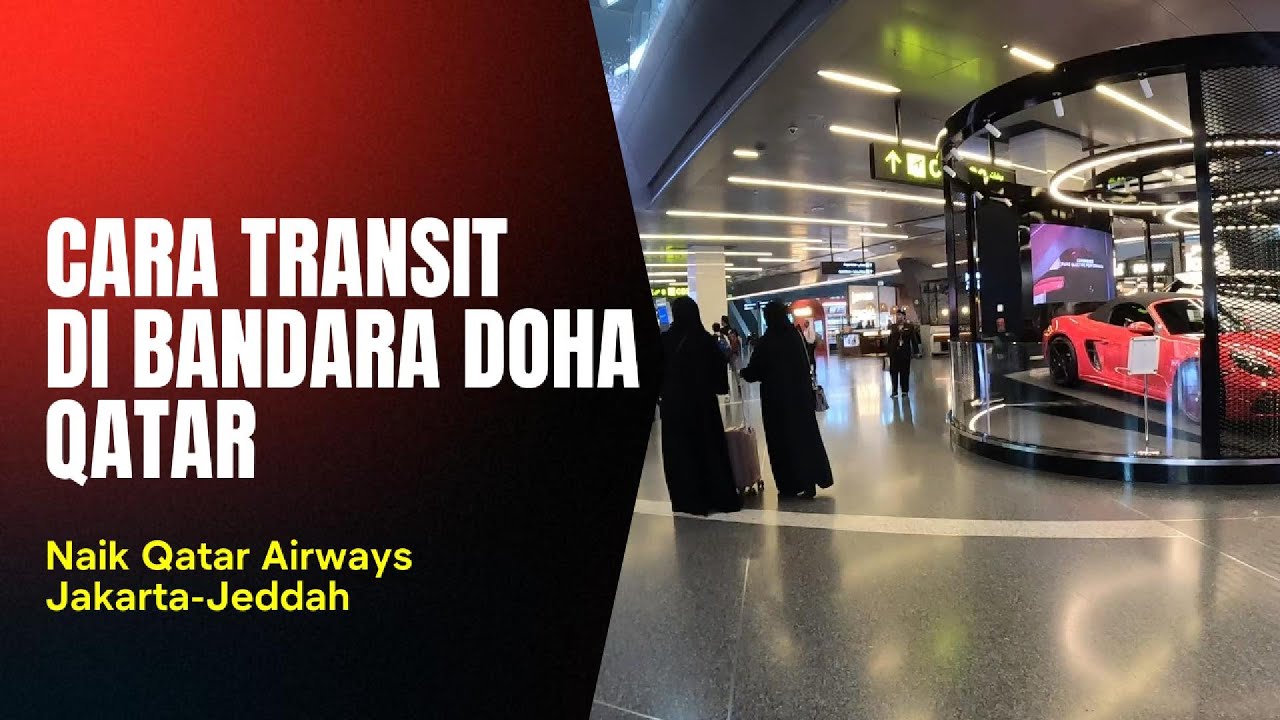
CARA TRANSIT DI BANDARA DOHA QATAR Naik Pesawat Qatar Airways Jakarta Jeddah

Airport Secrets: The Mind-Blowing Operation of Qatar Aviation Services

How Qatar Airways Prepares 200,000 Meals From Scratch Every Day | Big Business | Business Insider

The End is Nigh for Qatar and Emirates

Q3FY25 : The Packaging Industry.

What Air India Just DID with Airbus A350s, A320s Shocked The Aviation! Here's Why
5.0 / 5 (0 votes)
