PEMICU Ikan Mati Mendadak Massal di Waduk Jatiluhur, Pengelola Ikan Rugi Besar
Summary
TLDRA mass fish die-off in the floating net cages of Kembang Kuning village in Purwakarta County is causing significant losses for local fish farmers. The death of the fish, primarily young freshwater species, is attributed to extreme weather and low oxygen levels in the reservoir. Villagers, including Aan, have taken the opportunity to salvage the remaining fish, as some are still fresh enough to be consumed. However, the fish are far from the ideal harvest age, leading to an estimated loss of up to IDR 100 million for farmers like Roni, who are struggling to manage the aftermath of the disaster.
Takeaways
- 😀 Floating fish seen on the surface of floating net cages in the Kya area, some still fresh with shiny scales and clear eyes, while others show signs of decay with dull, white eyes.
- 😀 Villagers from Kembang Kuning, Jati Luhur, visit the site to collect the dead fish, not for sale but to prevent them from going to waste.
- 😀 One of the villagers, Aan, emphasizes that fish that are still edible should not be wasted, as they are not dead from poisoning, making them suitable for consumption.
- 😀 Some of the fresh fish will be processed into salted fish or fried for household consumption.
- 😀 Aan mentions that the collection of dead fish is regulated, with only a limited amount (about 8 kg) being taken per person.
- 😀 The mass fish death is caused by bad weather in the Purwakarta region, specifically heavy rain and thick clouds that lasted nearly a week, leading to low oxygen levels in the water.
- 😀 The phenomenon, known as 'apeling' or 'umbalan', occurs when water from the bottom of the reservoir, which lacks oxygen, rises to the surface.
- 😀 The fish deaths have resulted in significant losses for floating net cage farmers, with hundreds of kilograms of fish, mostly freshwater, dying suddenly.
- 😀 Roni, a floating net cage farmer from Panyindangan, Sukatani, explains that the fish deaths in his cages began on January 22, 2026, with nearly 1 ton of fish lost in his area alone.
- 😀 The cold water from the reservoir, combined with low oxygen levels, has made it difficult for the fish to survive, leading to mass mortality across multiple areas.
- 😀 Roni estimates his financial losses from the fish deaths at around Rp100 million, with the affected areas spanning the entire Kya region of the Jati Luhur Reservoir, though the timing of the incidents varies across regions.
Q & A
What is the main cause of the mass fish deaths in the water bodies described in the script?
-The main cause of the mass fish deaths is extreme weather conditions, including heavy rainfall and thick clouds, which led to a phenomenon known as apeling or umbalan. This is when oxygen-deprived water from the bottom of the reservoir rises to the surface, causing the fish to die due to low oxygen levels.
How do the local residents in Desa Kembang Kuning respond to the fish deaths?
-The local residents collect the dead fish, not for sale, but to prevent them from going to waste. Some of the fish that are still fresh are planned to be processed into salted fish or fried for family consumption.
Why are the fish deaths not considered a result of poisoning?
-The residents clarified that the fish did not die due to poisoning, as the condition of the fish still appeared fresh in some cases, such as having clear eyes and shiny scales. The primary cause was the lack of oxygen in the water.
What efforts were made by local fish farmers to prevent or mitigate the mass fish deaths?
-Efforts to mitigate the damage included attempts to move the fish to other ponds. However, these measures were not effective, as the drastic drop in water temperature and the lack of oxygen in the water made survival difficult.
What was the approximate weight of the dead fish at Roni's fish farm?
-At Roni's fish farm, nearly 1 ton of fish had died, and the incident had been ongoing for a few days, affecting other nearby areas as well.
What age were most of the dead fish at Roni’s fish farm?
-Most of the dead fish at Roni’s farm were still young, around 1 to 1.5 months old, far from their ideal harvest age, which is typically between 2.5 to 3 months.
What financial loss did Roni estimate due to the fish deaths?
-Roni estimated the financial loss at around 100 million rupiahs due to the mass death of fish in his farm.
What was the impact of the cold water on the fish population?
-The cold water from the bottom of the reservoir rose to the surface, carrying low-oxygen water that the fish could not survive in, leading to their death.
How widespread was the impact of the fish deaths in the region?
-The fish deaths affected a wide area, with 32 fish farm ponds (keramba jaring apung) impacted. The western part of the area was affected first, and the phenomenon spread to other regions over time.
What is 'apeling' or 'umbalan' as mentioned in the script?
-'Apeling' or 'umbalan' refers to the phenomenon where water from the bottom of a reservoir, which is oxygen-deprived, rises to the surface, causing a drop in the oxygen level in the water and resulting in the death of aquatic life, especially fish.
Outlines

This section is available to paid users only. Please upgrade to access this part.
Upgrade NowMindmap

This section is available to paid users only. Please upgrade to access this part.
Upgrade NowKeywords

This section is available to paid users only. Please upgrade to access this part.
Upgrade NowHighlights

This section is available to paid users only. Please upgrade to access this part.
Upgrade NowTranscripts

This section is available to paid users only. Please upgrade to access this part.
Upgrade NowBrowse More Related Video

Air Danau Toba Berubah Warna Coklat Keruh, Ada Pertanda Apa? | AKIS tvOne

Pompano Farming : How to manage Pompano Aqua Farm | Agribusiness Philippines
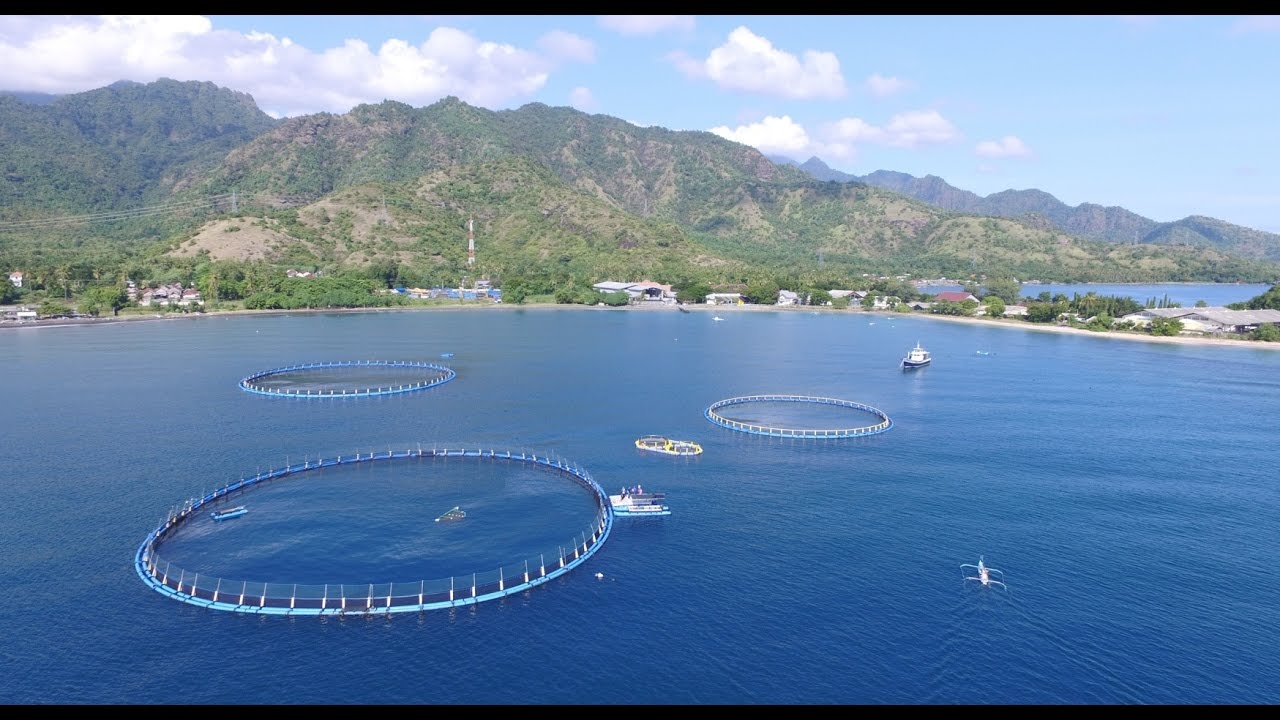
Inovasi Teknologi Perikanan Budidaya Indonesia - Keramba Jaring Apung (KJA) Aquatec

Kisah Yayan Peternak Lele Sukses yang Berawal dari Hobi

Inovasi Produk Pengolahan Ikan Desa Kampar - [Metro Pagi Primetime]

Cerdas Budi Daya Ikan Hias Dalam Keramba
5.0 / 5 (0 votes)
