16 RISET 3 11 Sistem ekonomi Pancasila
Summary
TLDRThis video script discusses Indonesia's agrarian identity, emphasizing the country's reliance on agriculture, with 29.76% of the workforce employed in farming. Despite this, younger generations are increasingly disinterested in farming due to low wages and harsh working conditions. The script highlights challenges such as the decline in rice production and low salaries for farm workers compared to other sectors. It argues for diversifying the agricultural sector to include processing, distribution, and value-added services, and encourages more youth to contribute to revitalizing Indonesia's agricultural future.
Takeaways
- 🌾 Indonesia is often called an agrarian country because a large portion of its workforce is employed in agriculture, supported by extensive agricultural land.
- 📊 According to BPS data (August 2020), around 38.23 million people—or nearly 30% of the working population—are employed in the agricultural sector.
- 👩🌾 Despite this, agriculture is dominated by older workers, with most farmers aged 45–54, while young farmers (25–34 years) are significantly fewer.
- 😕 Many young people are reluctant to become farmers due to perceptions of low income, physically demanding work, exposure to harsh weather, and high risks such as crop failure.
- 🎓 Indonesia actually produces many agriculture graduates from top universities, but many do not work directly as farmers after graduation.
- 🏢 Agriculture graduates often work in agribusiness-related fields, corporations, plantations, or processing industries rather than on-farm activities.
- 💸 Income disparity is a major issue: agriculture has the lowest average wages compared to other sectors like mining or construction.
- 📉 BPS data shows that agricultural workers earn significantly less than construction workers on a daily wage basis.
- 🌱 There is a misconception that agriculture only involves traditional farming, whereas it actually includes a broader value chain such as processing, logistics, and distribution.
- 🔗 Developing agriculture as a complete value chain with higher added value could attract more young people to the sector.
- 🍚 Declining rice production and concerns about rice imports highlight the vulnerability of national food security.
- 🚜 Strengthening human resources, innovation, and modernization in agriculture is essential for sustaining Indonesia’s identity as an agrarian country.
Q & A
Why is Indonesia considered an agrarian country?
-Indonesia is considered an agrarian country because a significant portion of its population works in the agricultural sector. As of August 2020, around 29.76% of Indonesia's working population, which is about 38.23 million people, is employed in agriculture.
What is the issue with young people entering agriculture in Indonesia?
-Young people are reluctant to enter the agricultural sector due to various factors including the physical demands of the job, low wages, reliance on seasonal weather, and the risk of crop failure leading to financial losses.
How do young people perceive farming as a profession in Indonesia?
-Many young people view farming as unattractive due to its hard work under the sun, long hours, low pay, and dependence on unpredictable weather. Some even fear it will lead to poor financial stability and a lack of social mobility.
What does the data from BPS show about the age demographics of Indonesian farmers?
-The data from BPS shows that the majority of Indonesian farmers are between the ages of 45 and 54 years, numbering about 7.8 million. In contrast, younger farmers (aged 25-34 years) are much fewer, with only 2.9 million in that age group.
Are there enough agricultural graduates in Indonesia to support the sector?
-Yes, Indonesia has a number of universities offering agricultural programs, such as Universitas Brawijaya, Universitas Gadjah Mada, and Institut Pertanian Bogor. Despite this, many graduates do not directly work in the agricultural sector.
Why do agricultural graduates avoid working directly in agriculture?
-Many agricultural graduates avoid working directly in farming because they feel that their education doesn't provide enough practical knowledge for direct involvement. Additionally, they perceive the agricultural sector as underdeveloped compared to industries like manufacturing or maritime.
What are some of the challenges facing Indonesia's agricultural sector?
-The Indonesian agricultural sector faces challenges such as limited interest from younger generations, low wages, outdated farming methods, and an overreliance on traditional, on-farm practices. Additionally, there is a lack of understanding about the broader value chain in agriculture.
How does the average wage in agriculture compare to other sectors in Indonesia?
-In February 2021, data from BPS showed that the highest-paying sector in Indonesia was mining and extraction, with an average wage of IDR 4.2 million per month. In contrast, workers in agriculture, forestry, and fisheries had an average wage of only IDR 1.9 million per month, making it one of the lowest-paying sectors.
What is the wage discrepancy between agricultural laborers and construction workers in Indonesia?
-In April 2021, agricultural laborers earned an average daily wage of IDR 56,000, while construction workers earned IDR 90,000 per day. This disparity highlights the economic challenges faced by those working in agriculture.
What steps should be taken to encourage more youth participation in agriculture?
-To attract more young people to agriculture, there needs to be a focus on developing the agricultural sector beyond traditional farming, such as by emphasizing the value chain that includes processing, logistics, and distribution. There should also be efforts to improve wages, working conditions, and access to modern farming technologies.
Outlines

This section is available to paid users only. Please upgrade to access this part.
Upgrade NowMindmap

This section is available to paid users only. Please upgrade to access this part.
Upgrade NowKeywords

This section is available to paid users only. Please upgrade to access this part.
Upgrade NowHighlights

This section is available to paid users only. Please upgrade to access this part.
Upgrade NowTranscripts

This section is available to paid users only. Please upgrade to access this part.
Upgrade NowBrowse More Related Video
IPAS Kelas 5 Bab 6 Semester 2 Kurikulum Merdeka

Permasalahan Pertanian Di Indonesia ~ Penyebab Pertanian Di Indonesia Masih Tertinggal

IDENTITAS NASIONAL Oleh Ulul Huda, S.Pd.I., M.Si.
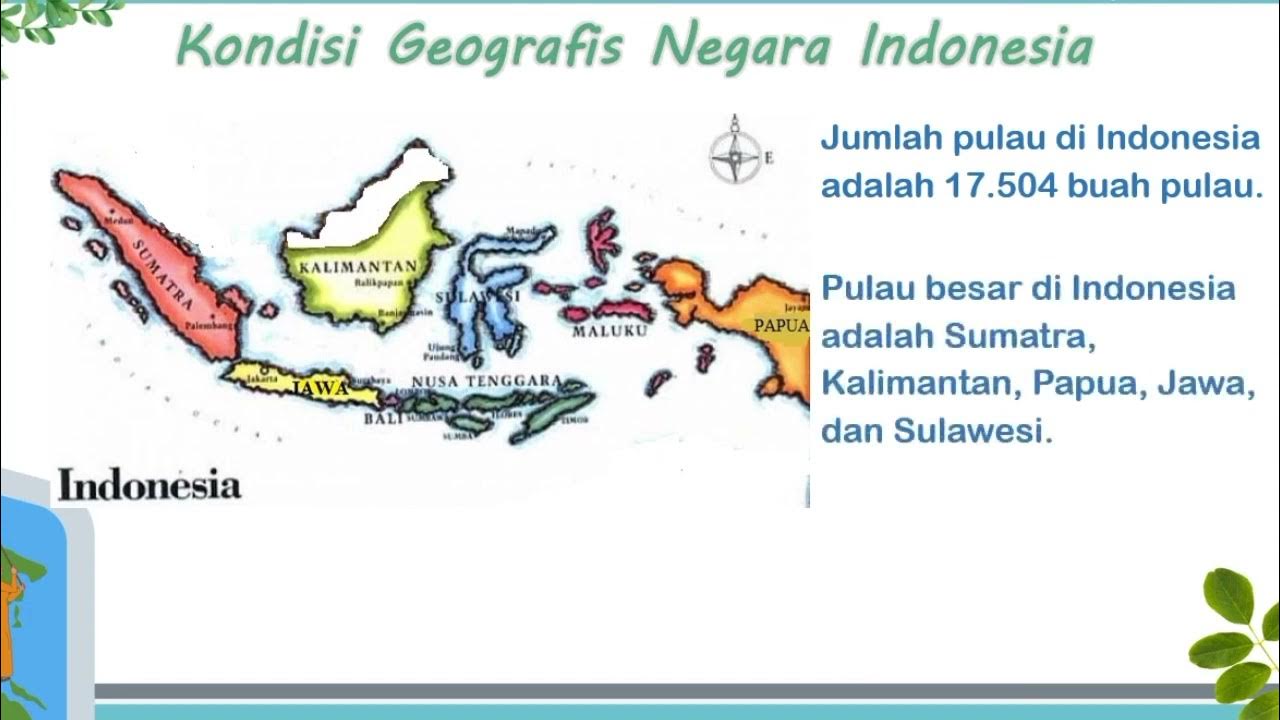
Tugas kelompok IPAS kelas 10, tentang Kondisi geografis Indonesia

What is AGRARIAN SOCIETY What does AGRARIAN SOCIETY mean AGRARIAN SOCIETY meaning & explanation

A Budaya Nasional sebagai Identitas dan Jati Diri Bangsa
5.0 / 5 (0 votes)
