How is the Cotton plant turned into Clothes
Summary
TLDRCotton, one of the world’s most versatile crops, has been used for thousands of years to create products like clothing and home furnishings. The cotton plant’s soft fibers are harvested and separated from seeds using machines like stripper harvesters and cotton gins. The fibers are then spun into yarn and woven or knitted into fabric. The fabric is dyed, cut, and sewn into finished products. Cotton’s durability, comfort, and moisture-absorbing qualities make it ideal for creating clothing, which is then ready for consumers to purchase worldwide.
Takeaways
- 😀 Cotton is a versatile crop grown in tropical and subtropical regions across the world, used in various products such as clothing and home furnishings.
- 😀 Cotton has been used for thousands of years, with evidence of its cultivation dating back to 3,000 BCE in Asia and South America.
- 😀 The natural cotton fibers are not strong on their own, requiring several stages to be processed into tough cotton fabric.
- 😀 Harvesting cotton used to be done by hand, but today, machines like stripper harvesters and spindle pickers make the process much quicker.
- 😀 After harvesting, cotton fibers need to be separated from the seeds and spun into strong yarn for fabric production.
- 😀 Cotton fabric is popular for making clothes due to its durability, comfort, and moisture-absorbing qualities.
- 😀 The process of making a cotton t-shirt involves several key steps, starting with harvesting and ending with the finished product ready for sale.
- 😀 Cotton fibers are stripped from the plant by mechanical harvesters, and the cotton is then dried before being separated from the seeds using a cotton gin.
- 😀 The cotton fibers are compressed into bales, which are then sent to textile mills for spinning into yarn.
- 😀 The yarn is either woven or knitted into fabric, dyed, and then cut and sewn into clothing or other textile products before being sold to customers.
Q & A
What are some of the main uses of cotton around the world?
-Cotton is used globally to make clothing, home furnishings, and many everyday items due to its versatility and soft fibers.
Where does cotton typically grow?
-Cotton is grown in the dry regions of the tropics and subtropics, specifically in Africa, Asia, Australia, and America.
How far back does the use of cotton date?
-Cotton has been used for thousands of years, with evidence of its cultivation dating back to 3,000 BCE in Asia and South America.
Why do cotton fibers need to undergo processing before being made into fabric?
-The natural fibers of cotton are not strong enough on their own, so they must go through several stages, including separation from the seeds and spinning, to become tough enough for fabric.
How is cotton harvested?
-Cotton is harvested using machines like stripper harvesters and spindle pickers. These machines either use rollers or mechanical brushes to remove the cotton bolls or pull the fibers from the plant.
What is the role of the cotton gin in processing cotton?
-The cotton gin separates the cotton fibers from the seeds after the cotton is harvested, making it easier to spin the fibers into yarn.
What happens after the cotton fibers are separated from the seeds?
-The separated cotton fibers are compressed into bales, which are then delivered to textile mills where they are spun into yarn.
What are the key steps in turning cotton yarn into fabric?
-The cotton yarn is either woven by interlacing strands on a loom or knitted by interlocking looped strands using needles to create fabric.
How is cotton fabric dyed?
-The cotton fabric is passed through a hot dye solution and then squeezed through rollers to remove any excess liquid, giving it color.
What happens after the fabric is dyed?
-After dyeing, the fabric is cut into pieces and stitched together to create clothing and other textile products, which are then ready for sale.
Outlines

This section is available to paid users only. Please upgrade to access this part.
Upgrade NowMindmap

This section is available to paid users only. Please upgrade to access this part.
Upgrade NowKeywords

This section is available to paid users only. Please upgrade to access this part.
Upgrade NowHighlights

This section is available to paid users only. Please upgrade to access this part.
Upgrade NowTranscripts

This section is available to paid users only. Please upgrade to access this part.
Upgrade NowBrowse More Related Video

Is the Canon 50mm 1.8 STM the BEST LENS EVER?
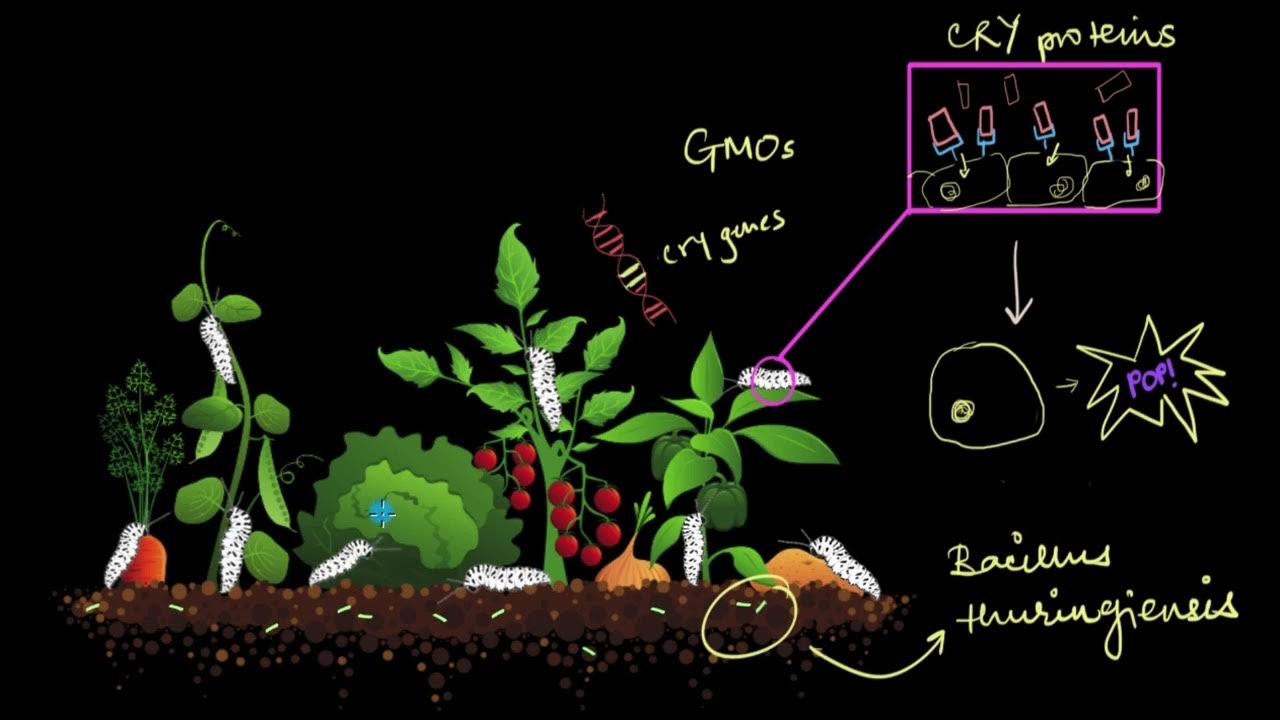
Bt Crops | Biotechnology and its Applications | Biology | Khan Academy

Apakah Timah itu ? Kegunaan dan Karakteristik Timah #faktaunik #tambang #timah

RISET 39 Gambar 4 25 Gejala atau isu sosial di lingkungan masyarakat
Why Do We Have GMOs?

Mengubah Limbah Tekstil Menjadi Insulator
5.0 / 5 (0 votes)
