5 clues to spot a narcissist in conversation
Summary
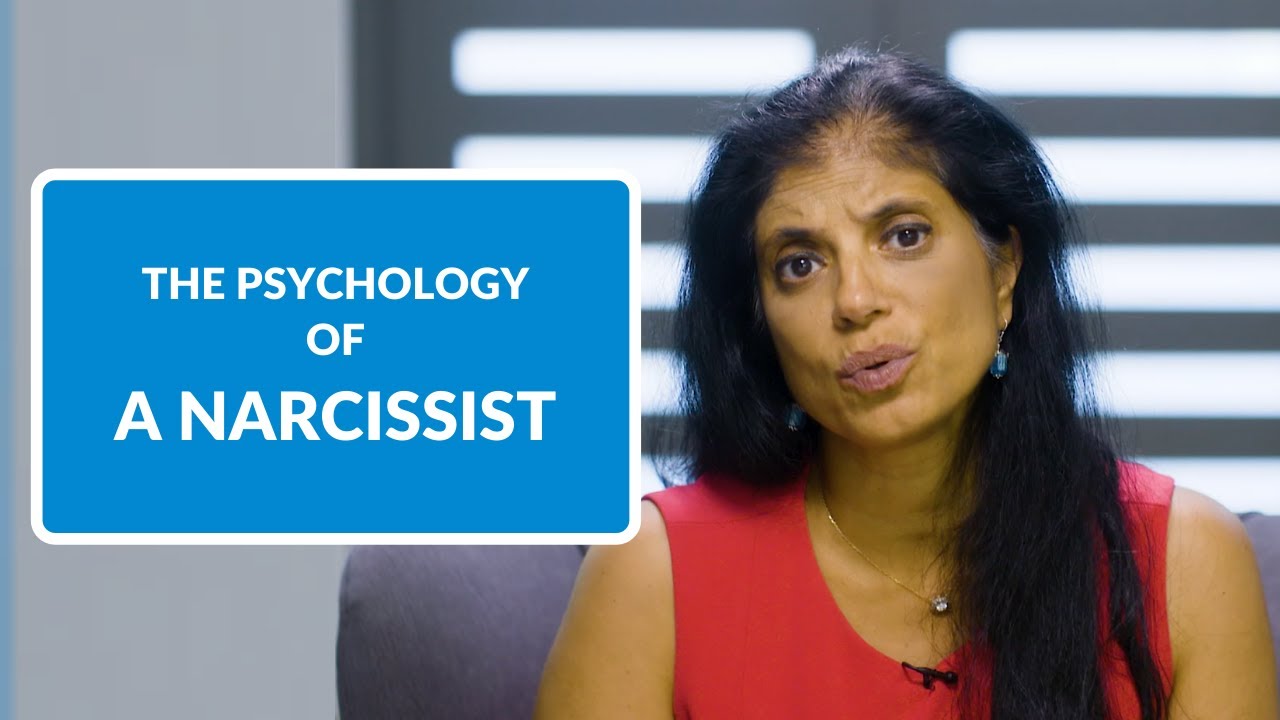
TLDRThis video highlights key indicators to recognize narcissistic behavior in conversations. It explores patterns such as overwhelming self-centeredness, quick criticism, unsolicited advice, dominance in dialogue, and hypersensitivity to criticism. The speaker shares personal experiences and offers actionable strategies to navigate such interactions, like the 'probe and pivot' method and 'perspective check.' These tools help individuals maintain their self-worth and manage conversations with narcissistic individuals while fostering healthier, more balanced communication in all relationships.
Takeaways
- 😀 Narcissists often dominate conversations, focusing solely on themselves and their stories, leaving little space for you to share your perspective.
- 😀 Conversations with narcissists can make you feel drained, insignificant, and anxious as they rarely show genuine interest in you or your life.
- 😀 A narcissist's quickness to criticize or judge others is a subtle power play designed to boost their own sense of superiority.
- 😀 When faced with criticism from a narcissist, the 'Acknowledge and Test' method can neutralize negativity without direct confrontation.
- 😀 Unsolicited advice from narcissists often aims to belittle and assert superiority rather than offer real help or concern.
- 😀 Narcissists engage in the 'Relentless Battle for Airtime,' dominating conversations by interrupting or speaking over you, turning dialogue into a one-sided performance.
- 😀 To deal with conversational narcissism, use the 'Pause, Question, and Assert' method to reclaim space and assert your voice.
- 😀 Narcissists have a pronounced sensitivity to criticism and may react defensively or aggressively, even to mild comments or neutral perspectives.
- 😀 The 'Perspective Check' method helps ensure you don't lose your voice in conversations by gently testing others' openness to alternative viewpoints.
- 😀 Being aware of these narcissistic behaviors helps protect your self-worth and ensures that you maintain a balanced, healthy interaction in any relationship.
Q & A
What is the first clue to identify a narcissist in conversation?
-The first clue is the overwhelming dominance of self-centered topics. A narcissist will consistently make the conversation revolve around them, sharing stories of being the hero or victim, with little to no interest in hearing about you.
How can you deal with a narcissist who dominates the conversation?
-Use the 'probe and pivot' method. Ask a straightforward question like 'Would you like to hear my experience with that?' to test their interest in engaging in a two-way conversation. If they remain self-focused, politely exit the conversation.
What is a common response from a narcissist when they criticize or judge others?
-Narcissists often pass judgment on others quickly, making dismissive comments or criticisms. These remarks are meant to boost their sense of superiority, even though they might appear as blunt or honest opinions.
How can you respond to a narcissist's criticism to protect your self-worth?
-Use the 'acknowledgment and test' method. Acknowledge the comment without agreeing (e.g., 'I see'), then ask a question to test their empathy (e.g., 'How do you think that made them feel?'). This will help you gauge their capacity for empathy.
What makes unsolicited advice from a narcissist harmful?
-Unsolicited advice from a narcissist often comes veiled as concern but is actually a power play. The goal is not to help but to belittle the person receiving it, making them question their choices while elevating the narcissist's own sense of superiority.
What method can you use to deal with unsolicited advice from a narcissist?
-Apply the 'reflect and redirect' method. Reflect on the advice without accepting it and redirect the conversation by stating it's nuanced. If the narcissist persists with their advice, you may need to politely exit the conversation.
How can you recognize a narcissist’s behavior in a conversation where they try to dominate the dialogue?
-In such conversations, the narcissist speaks over you, interrupts constantly, and doesn't leave space for your thoughts. It's not just eagerness but a deliberate attempt to control the conversation and maintain power dynamics.
What strategy can you use to reclaim your space in a conversation with a narcissist?
-The 'pause, question, and assert' method can be useful. Take a moment to gather your thoughts, then ask a simple question like, 'Can I add something here?' This can help you gently interrupt the flow and ensure your voice is heard.
Why do narcissists react defensively to mild comments or differing opinions?
-Narcissists often perceive any deviation from their viewpoint as criticism. They operate with a binary mindset—you're either fully aligned with them or you're against them—making them highly sensitive to even mild comments or differing perspectives.
What is the 'perspective check' and how can it help in conversations with narcissists?
-The 'perspective check' is a strategy to express your own point of view gently while inviting the other person to share theirs. This helps you gauge how open they are to different perspectives and whether they are dismissive, engaged, or genuinely interested in a balanced conversation.
Outlines

This section is available to paid users only. Please upgrade to access this part.
Upgrade NowMindmap

This section is available to paid users only. Please upgrade to access this part.
Upgrade NowKeywords

This section is available to paid users only. Please upgrade to access this part.
Upgrade NowHighlights

This section is available to paid users only. Please upgrade to access this part.
Upgrade NowTranscripts

This section is available to paid users only. Please upgrade to access this part.
Upgrade NowBrowse More Related Video


5.0 / 5 (0 votes)
