Diet Composition that Corresponds To A 15y Younger Biological Age (Blood Test #7 In 2025 Analysis)
Summary
TLDRIn this detailed video, the creator discusses the results of blood test number seven in 2025, examining the impact of diet on biomarkers like DHEA sulfate, MCV, and lipoprotein A. The video dives into experiments with omega-3, fat intake, and various foods to optimize biomarkers and slow aging. The creator tracks their diet using Chronometer and shares insights on food correlations with biological markers. Despite some setbacks in their experiments, they continue refining their approach to improve aging metrics, while also discussing cheat meals, macronutrients, and micronutrient intake.
Takeaways
- 😀 Biological age can be assessed through biomarkers like DHEA sulfate, which may show a biological age younger than chronological age. For this test, the biological age was 15 years younger.
- 😀 A detailed diet tracking system was used, logging food intake over a 41-day period from test number six to test number seven, with 54 foods tracked.
- 😀 The importance of omega-3 intake for improving DHEA sulfate levels was tested, but increasing omega-3 from sardines, flaxseed, and walnuts didn't produce the expected results.
- 😀 DHEA sulfate levels, which impact aging and health, showed a decline over the past five blood tests, despite earlier stability. Efforts to reverse the decline with diet and omega-3 increased intake didn't work.
- 😀 A correlation analysis showed that foods like added salt, dates, vanilla bean, beets, and coconut butter were positively correlated with higher DHEA sulfate, while olives, nutmeg, and avocado were inversely correlated.
- 😀 A consistent approach was taken to optimize biomarkers, with modifications like reducing olive intake and avoiding foods that were negatively correlated with DHEA sulfate.
- 😀 The goal is to resist the age-related decline in biomarkers like DHEA sulfate by following dietary correlations and optimizing food intake based on data analysis.
- 😀 MCV (Mean Corpuscular Volume), which measures the size of red blood cells, was being monitored. Lower MCV is linked with youth, and experiments with Brazil nuts and other foods to optimize MCV didn’t yield the desired results.
- 😀 Caloric intake averaged 2,302 calories, aiming for weight stability. The macronutrient breakdown included 22% protein, 39% fat (increased to test correlations with lipoprotein A), and 32% net carbs.
- 😀 The experiment to lower lipoprotein A by increasing avocado intake did not result in the desired decrease, although lipoprotein A has been successfully manipulated in past tests with different approaches.
- 😀 Fructose intake, particularly from fruit, is tracked as part of the overall diet, with a goal of maintaining a balanced intake to avoid negative correlations with biomarkers. Fructose was at 50 grams per day for this test, down from 57 grams in the previous test.
- 😀 The importance of sodium intake in regulating norepinephrine, HRV, resting heart rate, and blood pressure was considered. A change in sodium intake, from 2,700 milligrams to lower levels, was made to test its impact on these metrics.
Q & A
What is the biological age calculator used in the video, and how does it relate to the test results?
-The biological age calculator used in the video is Dr. Morgan Lavine's Phenino Age. According to the test results, the user's biological age was found to be 15 years younger than their chronological age, which is significant in the context of understanding the effects of diet, supplements, and lifestyle choices on aging biomarkers.
How was the diet composition tracked for the blood test results?
-The diet composition was tracked using a food scale for every meal since 2015. The data was then logged into a diet-tracking app called Chronometer, and the results were analyzed using a spreadsheet to correlate dietary intake with blood test results. The 41-day period between blood tests 6 and 7 was used to calculate average daily dietary intake.
What are the key food sources contributing to omega-3 intake in the user's diet?
-The key food sources contributing to omega-3 intake in the user's diet are sardines, flax seeds, and walnuts. These foods were increased in the diet to test their correlation with DHEA sulfate levels, although the increase did not yield the expected results in improving DHEA sulfate.
Why is DHEA sulfate an important biomarker, and what was its trend over the 25 tests?
-DHEA sulfate is an important biomarker because it affects various age-related conditions like osteoporosis, obesity, diabetes, and neurodegenerative diseases. The user's DHEA sulfate levels were stable for the first 19 tests but showed a significant decline in the last five tests, reaching their lowest level. The aim is to reverse this decline and optimize the biomarker.
What experiments were conducted to improve DHEA sulfate levels, and were they successful?
-The experiments involved increasing omega-3 intake through whole foods like sardines, flax seeds, and walnuts. Despite the increase in these omega-3-rich foods, the experiment did not lead to an improvement in DHEA sulfate levels. Additionally, no significant correlation was found between these foods and DHEA sulfate in the test results.
What is the significance of the MCV (Mean Corpuscular Volume) in the video, and what was the experiment conducted to optimize it?
-MCV measures the average size of red blood cells, and lower MCV values are often seen in youth. The user conducted an experiment to reduce Brazil nut intake, as it was positively correlated with higher MCV. However, this change did not lead to the desired decrease in MCV, resulting in the highest MCV recorded during the tests.
What was the approach to the cheat meals, and how did they fit into the user's diet plan?
-The user incorporated cheat meals into their diet immediately after blood tests as a way to celebrate and prevent binges later. The cheat meals lasted for three days, and consisted of high-calorie foods like peanut butter, jelly, Nutella, and cookies, but the overall calorie intake was kept in line with their daily targets.
What was the effect of increasing fat intake on lipoprotein A levels?
-The user increased their fat intake, particularly monounsaturated fats from avocado, to test correlations with lipoprotein A levels. However, despite these efforts, lipoprotein A levels remained virtually unchanged, indicating that the experiment did not work as intended to lower lipoprotein A.
How did fructose intake impact the user's biomarker trends, and what adjustments were made in the diet?
-Fructose intake was tracked due to its correlation with negative trends in biomarkers. The user reduced their fructose intake from 57 grams per day to 50 grams per day, which was lower than previous tests. This reduction was part of an effort to optimize biomarkers, although it was not associated with the best biological age results.
What is the significance of sodium intake in the user's experiment, and how was it adjusted?
-Sodium intake was increased to 2,700 milligrams per day to test its effects on norepinephrine levels, HRV, resting heart rate, and blood pressure. However, the user's blood pressure worsened with this increase, leading to a reduction in sodium intake by 500 milligrams per day to re-evaluate its impact on these biomarkers in future tests.
Outlines

This section is available to paid users only. Please upgrade to access this part.
Upgrade NowMindmap

This section is available to paid users only. Please upgrade to access this part.
Upgrade NowKeywords

This section is available to paid users only. Please upgrade to access this part.
Upgrade NowHighlights

This section is available to paid users only. Please upgrade to access this part.
Upgrade NowTranscripts

This section is available to paid users only. Please upgrade to access this part.
Upgrade NowBrowse More Related Video

Is Low LDL Bad For The Epigenetic Pace of Aging?

7 Types of Anaemia
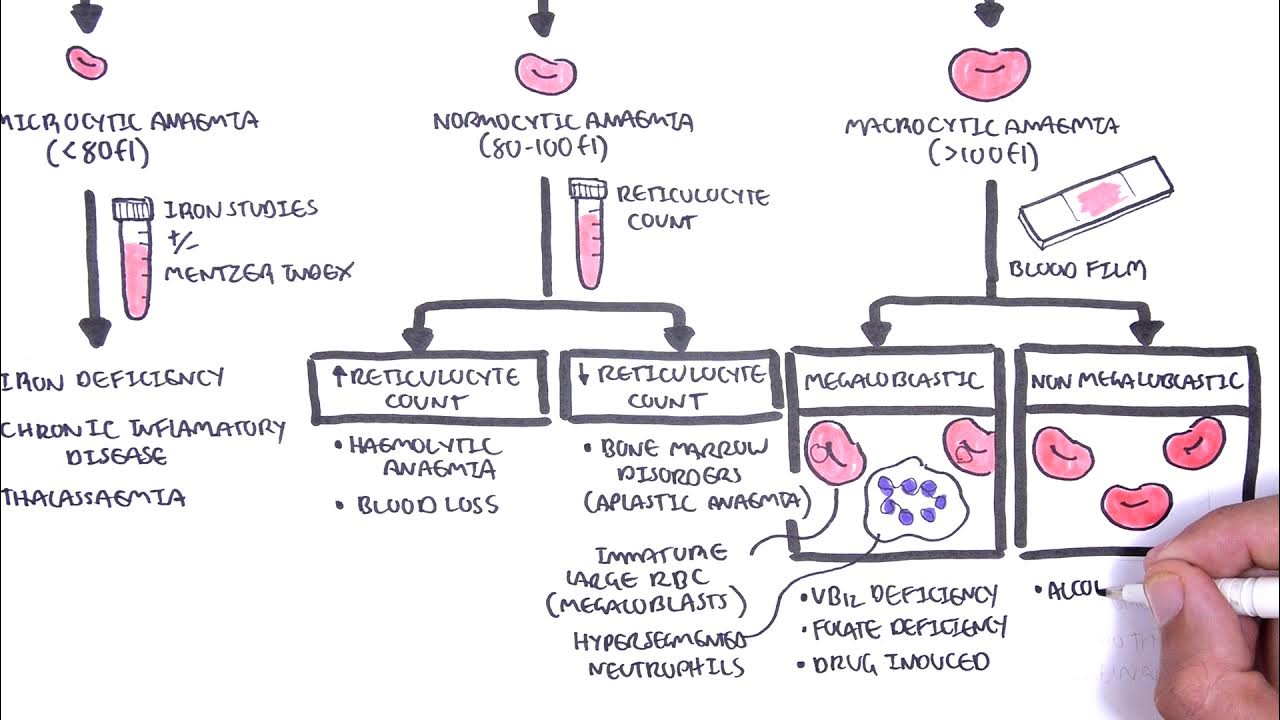
Anaemia (anemia) - classification (microcytic, normocytic and macrocytic) and pathophysiology

Changes in Blood at Room Temperature| Changes in hematologic parameters

Colesterol bueno y colesterol malo

Aprenda a interpretar o HEMOGRAMA de forma FÁCIL
5.0 / 5 (0 votes)
