15 KESALAHAN MENTOK BIKIN OTOT
Summary
TLDRThis video highlights 15 key reasons why building muscle can be challenging, covering common mistakes that hinder progress. Topics include using weights that are too light, neglecting proper form, overdoing cardio, and skipping essential warm-ups. It emphasizes the importance of compound movements, progressive overload, and balanced nutrition—especially protein intake. The video also addresses mindset issues, such as stress and the blame game, which can impact muscle growth. With practical advice and insights, it encourages viewers to refine their approach for optimal muscle development.
Takeaways
- 😀 Lifting weights that are too light can hinder muscle growth. Progressive overload is essential for building muscle effectively.
- 😀 Tracking your workouts helps you stay consistent and allows you to assess progress. Create a simple log to record exercises, sets, reps, and weights.
- 😀 Overdoing cardio can burn too many calories and reduce your ability to build muscle. Focus on a balanced routine to support both fat loss and muscle gain.
- 😀 Stick to compound movements (like squats, deadlifts, and bench presses) as they engage multiple muscle groups and joints, maximizing muscle growth.
- 😀 Proper form is crucial. Bad form increases injury risk and decreases the effectiveness of exercises.
- 😀 Consistency in your workout routine is more important than constantly changing exercises. Stick with a training approach for several months before switching it up.
- 😀 Warming up is essential, especially as you age. Skipping this step can lead to injury and poor performance in your workouts.
- 😀 Slow down the eccentric (negative) phase of your lifts to increase time under tension, which helps stimulate muscle growth.
- 😀 Overtraining and inadequate recovery are major barriers to muscle growth. Make sure to balance intense workouts with sufficient rest.
- 😀 Protein is vital for muscle repair and growth. Aim to consume enough protein based on your body size (e.g., your weight in grams of protein).
- 😀 Healthy fats play an important role in hormone production, including muscle-building hormones. Don’t avoid them—just choose quality sources like avocados and olive oil.
- 😀 Carbs provide energy for your workouts. Avoid fearing carbs and focus on consuming healthy sources like brown rice, sweet potatoes, and fruits.
- 😀 Supplements should complement a balanced diet, not replace it. Focus on micronutrients like vitamin D or essential amino acids based on your needs.
- 😀 Extreme calorie restriction can harm muscle growth. To build muscle, ensure you're eating enough calories to support recovery and growth.
- 😀 Stress, anxiety, and negative thinking can impair muscle recovery by increasing cortisol levels. Cultivate a positive mindset to aid your progress.
Q & A
Why is lifting weights that are too light a problem for muscle building?
-Lifting weights that are too light doesn’t challenge the body enough to stimulate muscle growth. The body adapts quickly to the same load, making it harder to see progress over time. Progressive overload, where the weight, repetitions, or sets are gradually increased, is essential for continuous muscle growth.
How does creating a training log help in building muscle?
-A training log helps track your progress, ensuring that you consistently challenge yourself. It allows you to monitor your exercises, weights, reps, and sets, making it easier to spot areas for improvement and adjust your routine accordingly. This consistency and planning are crucial for progress.
What impact does excessive cardio have on muscle growth?
-Excessive cardio can hinder muscle growth by depleting calories and impeding recovery. It can lead to muscle breakdown, especially when combined with low body fat levels. For muscle building, it’s important to balance cardio with resistance training and recovery to avoid burning too many calories.
What are the benefits of prioritizing compound exercises in your routine?
-Compound exercises, like squats and bench presses, engage multiple joints and muscles at once, allowing you to lift heavier weights. They are more efficient for muscle growth as they stimulate more muscle fibers compared to isolation exercises, which only target one muscle at a time.
Why is maintaining good form important in weightlifting?
-Maintaining good form during exercises minimizes the risk of injury and ensures that the targeted muscles are being properly activated. Poor form can lead to unnecessary stress on joints and tissues, which can decrease the effectiveness of the exercise and increase the potential for injury.
How does varying your workout routine affect muscle growth?
-While variety can prevent boredom and stimulate different muscle fibers, constantly changing exercises too frequently can prevent muscle growth. It's more effective to stick to a consistent training plan for several months to allow proper adaptation before switching up the routine.
What role does warming up play in muscle building, especially as we age?
-Warming up properly prepares the body for physical activity by increasing blood flow and joint mobility, reducing the risk of injury. As we age, our muscles and joints take longer to warm up, so a thorough warm-up becomes even more essential to prevent strains and improve performance.
Why is tempo important in lifting weights, and how does it affect muscle growth?
-Tempo refers to the speed at which you perform each phase of a lift. Slowing down the negative (lowering) phase of a lift increases the time your muscles are under tension, which is key to stimulating growth. By focusing on both the positive and negative phases of the movement, you maximize muscle activation and promote better development.
What is the relationship between overtraining and under recovery in muscle growth?
-Overtraining occurs when the body is pushed too hard without adequate recovery, leading to muscle fatigue and potential injury. Under recovery, on the other hand, happens when there isn’t enough rest to allow muscles to repair and grow. Both factors hinder muscle development. Balancing intensity with proper rest is crucial for effective growth.
How much protein should you consume to build muscle?
-The ideal protein intake for muscle growth is generally around 1 gram of protein per centimeter of height or 2 grams per kilogram of lean body weight. This ensures that the body has the necessary building blocks for muscle repair and growth. Individual needs may vary based on activity level and body composition.
What is the impact of not consuming enough fats and carbs on muscle growth?
-Not consuming enough fats, particularly healthy fats, can impair hormone production, which is essential for muscle growth, especially in women. Similarly, insufficient carbohydrates can limit the body's energy levels, hindering performance and recovery. A balanced intake of fats and carbs is necessary to support both energy demands and muscle development.
What should be considered when choosing supplements for muscle building?
-Supplements should be used strategically to fill in nutritional gaps, especially micronutrients or protein needs. It’s important not to rely too heavily on supplements but to focus on a well-rounded diet. Excessive supplementation can be counterproductive, and it’s vital to choose supplements based on individual needs and goals.
How does stress affect muscle growth?
-Stress triggers the release of cortisol, a hormone that can inhibit muscle growth by breaking down muscle protein and slowing recovery. A high level of stress, whether from training, personal issues, or unrealistic expectations, can undermine muscle-building efforts. Maintaining a positive mindset and reducing stress is crucial for muscle development.
How does blaming others and negative thinking impact muscle growth?
-Blaming others and negative thinking can create a cycle of stress and anxiety, leading to emotional tension that impairs physical performance. Stress triggers cortisol release, which directly affects muscle growth. Focusing on self-improvement, taking responsibility, and maintaining a positive outlook can enhance progress in both physical and mental aspects.
Outlines

This section is available to paid users only. Please upgrade to access this part.
Upgrade NowMindmap

This section is available to paid users only. Please upgrade to access this part.
Upgrade NowKeywords

This section is available to paid users only. Please upgrade to access this part.
Upgrade NowHighlights

This section is available to paid users only. Please upgrade to access this part.
Upgrade NowTranscripts

This section is available to paid users only. Please upgrade to access this part.
Upgrade NowBrowse More Related Video

5 Reasons You're NOT Building Muscle (Men Over 40)

5 Muscle Gain Mistakes I Wish I Knew Sooner

Why Can't I Lucid Dream? - 4 Reasons You're Not Lucid Dreaming
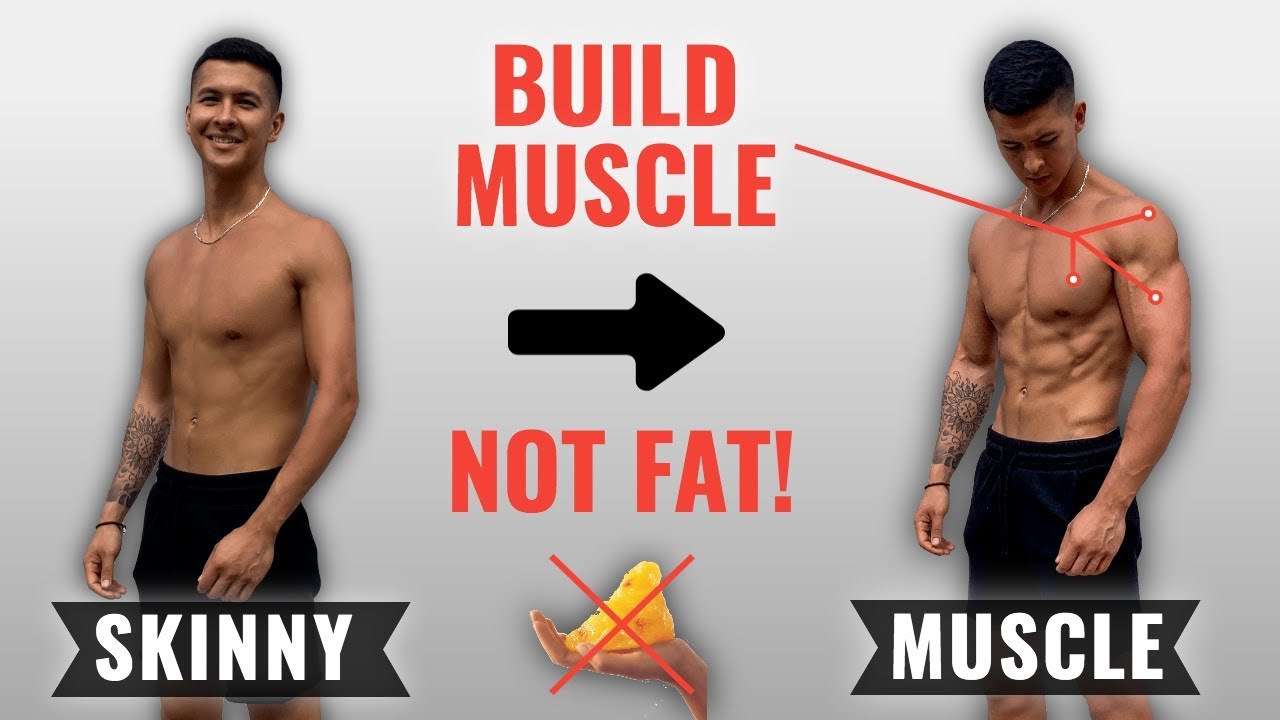
How To Bulk Up Fast WITHOUT Getting Fat (4 Bulking Mistakes SLOWING Your Gains)

Training Hard But Still Look Small? Here's Why

How To Learn Piano as Fast as Humanly Possible
5.0 / 5 (0 votes)
