why "things to do instead of doomscrolling" never works
Summary
TLDRThis video humorously critiques the addictive nature of smartphones and social media, comparing them to more traditional, low-effort activities like crafting and manual labor. The speaker explores the idea that mindless scrolling fills the void of idle hands, but offers alternative, easy hobbies (like neurographic drawing and crochet) that don’t demand much mental energy. By examining the science of embodied tools and mind-wandering, the speaker encourages finding healthier, low-effort ways to occupy your hands and mind instead of falling into the trap of endless phone use. Ultimately, it's a playful call to reclaim agency from digital distractions.
Takeaways
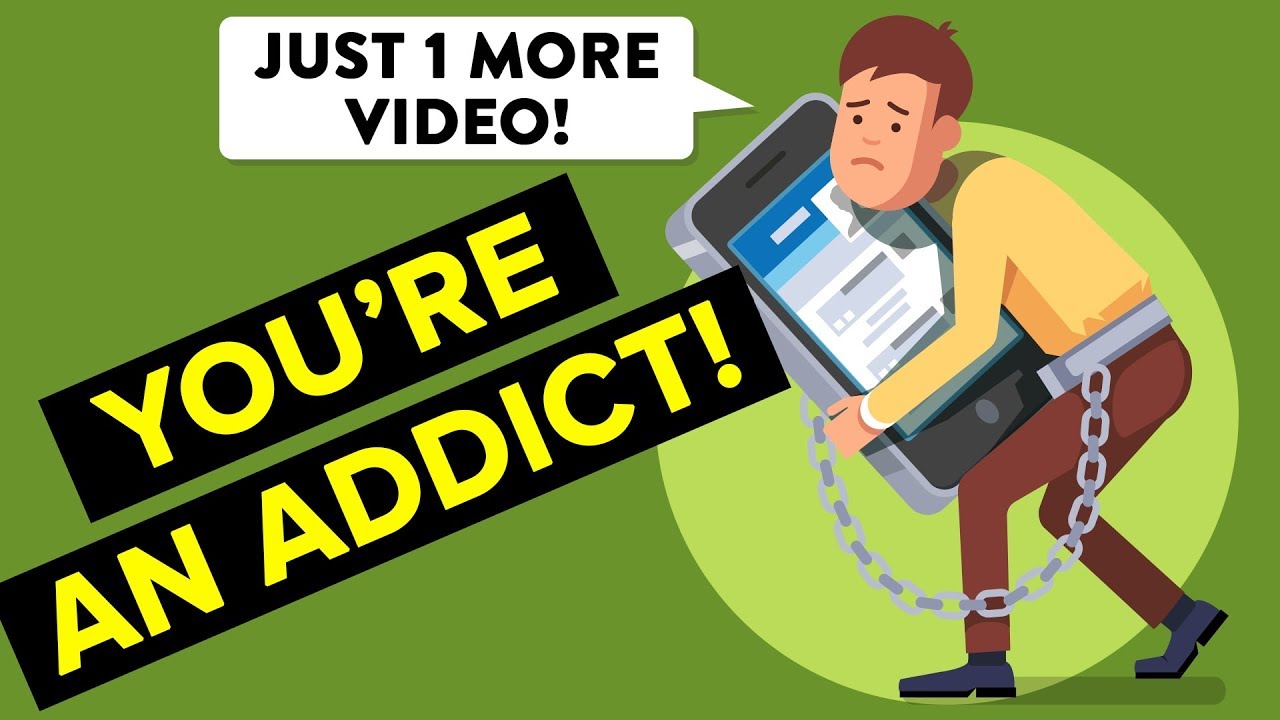
- 📱 Doomscrolling is appealing because it provides effortless, algorithm-optimized stimulation that requires no planning, energy, or decision-making.
- 🧠 Many suggested alternatives to phone use fail because they require motivation, creativity, or physical effort—none of which match the passive ease of scrolling.
- 🧵 Low-effort, hands-busy hobbies (like doodling, felting, simple crafts) can effectively replace phone use because they satisfy the need for mindless, fidget-based activity.
- 🖐️ Human hands and brains are tightly connected; using tools becomes part of our body schema, and smartphones have become a permanently embodied tool.
- ⚡ Because phones are so embodied, the gap between impulse and checking them has nearly disappeared—it's reflexive, not intentional.
- 🌪️ Mind-wandering is a core source of creativity, but the smartphone interrupts it by hijacking fidgeting instincts and replacing internal thoughts with algorithmic noise.
- 🤳 Traits like high neuroticism and low conscientiousness correlate with compulsive phone checking because these traits increase mind-wandering and impulsivity.
- 🧶 Hands-on crafts allow the mind to wander productively, restoring creative and internal thought cycles that scrolling suppresses.
- 🧍♂️ Many people check their phones simply because their hands aren’t occupied; replacing the phone with tactile hobbies can break that automatic loop.
- 📉 Digital addiction drains time, attention, and agency, benefitting tech companies that profit from outrage, retention, and advertising.
- 📦 The “pleasure cube” metaphor illustrates that constant low-effort dopamine (like scrolling) feels good but ultimately traps you and steals meaningful life experiences.
- 🔧 Not every hobby works—if the task is too complex (like micro-crocheting for the first time), it won’t replace scrolling; the activity must be truly low-demand.
- 🎨 Creating imperfect, even ‘bad’, art is valuable in an age where AI can make perfect images—human creativity gains meaning through imperfection.
- 👥 Traditional or ‘old-lady’ crafts aren’t gendered; everyone can benefit from simple, tactile hobbies to reduce phone dependency.
Q & A
What is the main point of the script?
-The script critiques the addictive nature of doom scrolling and smartphone use, suggesting that people should find low-effort, hands-on activities (like crafts or hobbies) to help break free from this addiction and engage in more mindful living.
Why does the author describe the phone as an 'extension of your body'?
-The author explains that, due to the constant presence and usage of smartphones, they have become so integrated into our daily lives that they almost feel like an extension of our body. This connection is so deep that many people reach for their phones reflexively, even when there's no actual need.
What role does 'mind wandering' play in the script?
-Mind wandering is linked to the habit of phone checking. The author highlights that when people's minds wander, they often reach for their phones as a way to fill the void, interrupting their natural thought process and replacing it with mindless consumption of content.
How does the author suggest breaking free from phone addiction?
-The author recommends finding 'low-effort' activities that can keep your hands busy, such as crafts or hobbies. These activities should require minimal brain power and be easy to do while relaxing on the couch or in bed, offering a simple alternative to mindlessly scrolling on a phone.
What are some of the activities the author suggests as alternatives to doom scrolling?
-Some of the suggested activities include neurographic drawing, crocheting, sculptural felting, macramé, and even simple manual tasks like making friendship bracelets or playing with small objects. These activities allow for a physical and creative outlet without requiring much mental energy.
What is the connection between hands, creativity, and technology in the script?
-The author emphasizes that our hands are connected to our brains and play a crucial role in our creativity. Tools that we use regularly, like phones or crafting materials, become 'embodied' in our body schema, affecting how we interact with the world. When we engage our hands in creative tasks, it sparks creativity and helps keep our minds engaged in a more productive way.
What does the author think about 'productivity hacks'?
-The author is skeptical about productivity hacks, especially those promoted by YouTubers or self-improvement influencers. They argue that such hacks are often just another form of distraction and that true solutions lie in simpler, more tangible activities that don't require intense effort or willpower.
How does the concept of 'embodied tools' relate to the smartphone?
-The concept of 'embodied tools' suggests that the more we use a tool, the more it becomes part of our body schema, blurring the line between us and the tool itself. In the case of smartphones, the author argues that they are so deeply integrated into our lives that they have become an extension of our bodies, impacting how we think and behave.
Why does the author discuss fidgeting in relation to phone use?
-Fidgeting is presented as a natural human response to mind wandering and a form of creative thinking. The author notes that phone use has become a form of automatic fidgeting, filling the space where spontaneous, creative thought used to occur, thus preventing true mental engagement.
What is the 'infinite pleasure cube' thought experiment about?
-The 'infinite pleasure cube' is a thought experiment where the author imagines a device that provides endless pleasure and dopamine, but ultimately leaves the user unfulfilled and isolated. The author compares this to the empty gratification people get from endless phone use, highlighting the lack of true value or meaningful experiences.
Outlines

This section is available to paid users only. Please upgrade to access this part.
Upgrade NowMindmap

This section is available to paid users only. Please upgrade to access this part.
Upgrade NowKeywords

This section is available to paid users only. Please upgrade to access this part.
Upgrade NowHighlights

This section is available to paid users only. Please upgrade to access this part.
Upgrade NowTranscripts

This section is available to paid users only. Please upgrade to access this part.
Upgrade Now



5.0 / 5 (0 votes)
