PINTAR & LUCU !! Presentasi Anak TK | Project Based Learning PG-K GIS 2022
Summary
TLDRThe video highlights the implementation of Project Based Learning (PBL) at tgk Global Islamic School, which emphasizes a student-centered approach. PBL encourages children to solve real-world problems, enhancing their critical thinking, creativity, and self-confidence. The method also fosters collaboration between students and parents, empowering children to present their ideas. The goal is to equip students with the skills needed for success in the 21st century, preparing them to become capable global citizens.
Takeaways
- 🎓 TGK Global Islamic School is recognized as a driving school implementing the new paradigm curriculum focused on Merdeka Belajar.
- 🧩 Project-Based Learning (PBL) is highlighted as a key method used to center learning around meaningful student projects.
- 🧠 PBL aims to strengthen essential 21st-century skills such as critical thinking, creativity, collaboration, and problem-solving.
- 🚗 Students engage in hands-on activities, including building and experimenting with projects like simple machines and crafts.
- 🎈 Teachers guide students through activities that blend play with learning, helping them observe cause-and-effect through real experiences.
- 🤝 PBL in the school emphasizes collaboration not only among students but also between parents and children.
- 🧒 The program encourages children to generate their own ideas, promoting independence and ownership of their learning.
- 🎤 Students present their project results to classmates and school representatives, helping build communication and presentation skills.
- 💪 Through these activities, children gain confidence, become more expressive, and learn to make decisions.
- 🌍 The school aims to cultivate students who are not only academically capable but also prepared to become confident global contributors.
Q & A
What is Project Based Learning (PBL)?
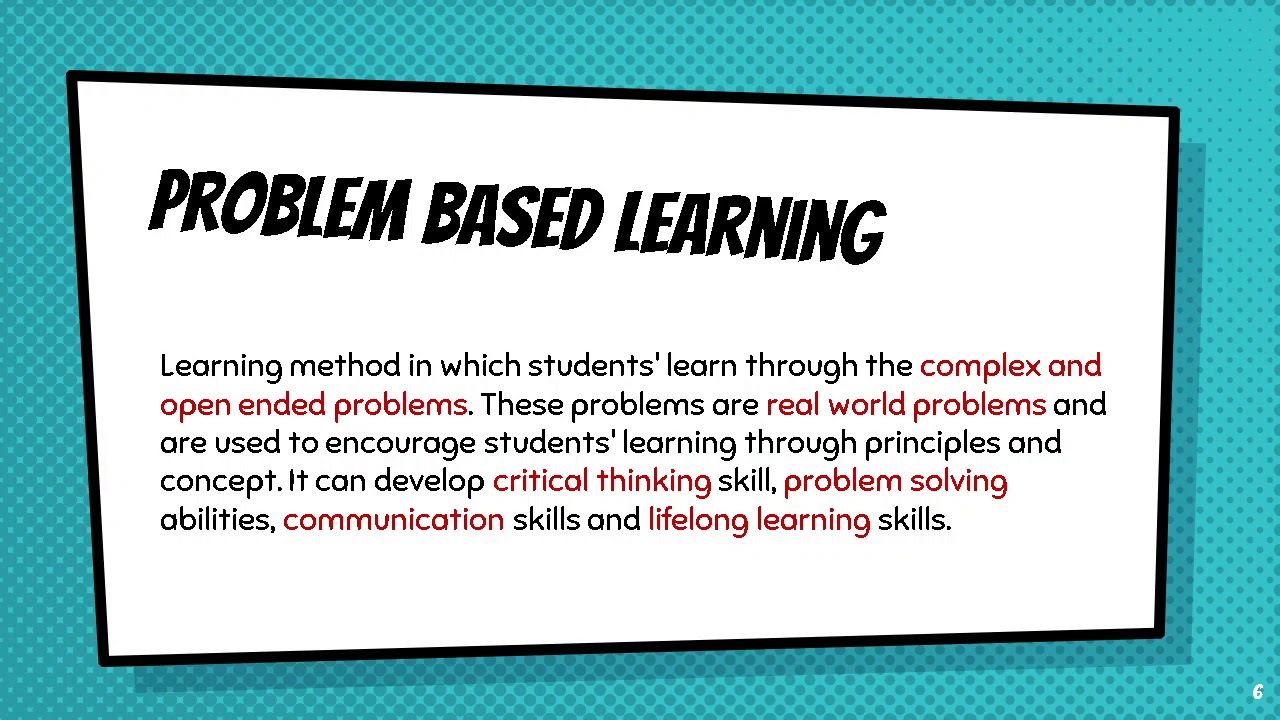
-Project Based Learning (PBL) is a student-centered learning method that uses projects or activities to help students develop various 21st-century skills. The projects aim to teach students to solve problems, think critically, increase creativity, build self-confidence, and work collaboratively.
How does PBL prioritize student involvement in learning?
-PBL prioritizes student involvement by focusing on hands-on, project-based activities that require students to actively engage in problem-solving, decision-making, and teamwork. This approach encourages independent thinking and personal expression.
What are the goals of Project Based Learning in this school?
-The main goals of Project Based Learning at the school are to provide students with direct experience in solving problems, enhance critical thinking, boost creativity, foster self-confidence, and promote collaboration and decision-making.
What role do parents play in the PBL activities at this school?
-Parents play a collaborative role in the PBL activities by working together with their children on projects. They help their children create something from scratch and guide them in presenting their work, which fosters togetherness and strengthens the parent-child bond.
How does PBL help children develop self-confidence?
-PBL helps children develop self-confidence by allowing them to take ownership of their projects, make decisions, and present their work in front of others. The process of creating and showcasing their projects gives them a sense of accomplishment and boosts their belief in their abilities.
What is the significance of the 'Merdeka Belajar' curriculum mentioned in the transcript?
-'Merdeka Belajar' is a new paradigm in education that emphasizes freedom in learning. It encourages flexibility, creativity, and independent thinking, allowing students to explore their interests and talents, which is aligned with the PBL method used in this school.
What does the school hope to achieve by integrating PBL into the curriculum?
-By integrating PBL into the curriculum, the school aims to develop well-rounded students who not only possess academic knowledge but also have the critical skills needed to succeed in the 21st century, including problem-solving, creativity, and teamwork.
What kind of skills are students expected to develop through PBL?
-Through PBL, students are expected to develop skills such as critical thinking, creativity, problem-solving, teamwork, independence, and effective communication. These skills are essential for success in both academic and real-world scenarios.
Why is it important for children to present their projects in front of others?
-Presenting their projects in front of others helps children develop public speaking skills, gain confidence, and learn how to communicate their ideas effectively. It also encourages them to be proud of their work and fosters a sense of achievement.
How does the PBL method contribute to the development of students as future global players?
-The PBL method prepares students to become future global players by developing essential skills such as innovation, critical thinking, teamwork, and problem-solving. These skills are crucial in an increasingly interconnected world where collaboration and adaptability are key to success.
Outlines

This section is available to paid users only. Please upgrade to access this part.
Upgrade NowMindmap

This section is available to paid users only. Please upgrade to access this part.
Upgrade NowKeywords

This section is available to paid users only. Please upgrade to access this part.
Upgrade NowHighlights

This section is available to paid users only. Please upgrade to access this part.
Upgrade NowTranscripts

This section is available to paid users only. Please upgrade to access this part.
Upgrade NowBrowse More Related Video

Pembelajaran Berbasis Proyek dengan memanfaatkan Platform Teknologi #PembaTIK2023

Model pembelajaran PBL Problem Based Learning // Tari Setya
Metode Belajar (Learning Method)

Reinventing a Public High School with Problem-Based Learning

JUARA 1 Lomba Inovasi Pembelajaran Tahun 2023 Sesuai Metode Alur STAR
PERBEDAAN DISCOVERY, INQUIRY, PBL, & PJBL (MODEL PEMBELAJARAN)
5.0 / 5 (0 votes)
