Miss Teen USA South Carolina 2007 with Subtitles
Summary
TLDRIn this transcript, the speaker addresses a troubling finding from recent polls, revealing that a fifth of Americans cannot locate the U.S. on a world map. The speaker suggests that the lack of geographic knowledge is partly due to insufficient access to maps and an education system that doesn’t adequately prepare citizens. They further propose that improving education both in the U.S. and globally—especially in countries like South Africa and Iraq—will help build a better future for children worldwide.
Takeaways
- 😀 One-fifth of Americans are unable to locate the U.S. on a world map, according to recent polls.
- 😀 The speaker believes this issue stems from a lack of access to maps for many Americans.
- 😀 The speaker suggests that education in the U.S. could be improved to address this issue.
- 😀 The speaker proposes that education should not only improve in the U.S., but also globally, including countries like South Africa, Iraq, and Asian nations.
- 😀 There is an emphasis on the importance of education for building a better future for children.
- 😀 The speaker advocates for global cooperation in improving educational standards worldwide.
- 😀 The speaker highlights the need for better geographical awareness and knowledge in the U.S.
- 😀 The speaker links the improvement of education to the future success of children in the U.S. and around the world.
- 😀 The message seems to stress the significance of maps and geography in the learning process.
- 😀 The overall tone suggests a desire for change in how education is approached, both domestically and internationally.
Q & A
What does the transcript discuss regarding Americans' ability to locate the U.S. on a world map?
-The transcript highlights a recent poll showing that a fifth of Americans are unable to locate the United States on a world map. This raises concerns about geographical knowledge and education.
What does the speaker believe is the reason for Americans’ lack of geographical knowledge?
-The speaker suggests that many Americans are unable to locate the U.S. on a map because some people do not have access to maps, and the educational system may not be effectively teaching geography.
How does the speaker link the situation in the U.S. to other countries?
-The speaker mentions countries like South Africa, Iraq, and other Asian countries, implying that these nations, along with the U.S., could benefit from improved education to help build a better future.
What does the speaker suggest should be done to address this geographical knowledge gap?
-The speaker believes that the U.S. education system should improve its focus on teaching geography and should also support educational development in other countries, such as South Africa and Iraq.
How does the speaker propose international cooperation can help improve education?
-The speaker advocates for a global approach, where educational systems in the U.S. and other countries work together, possibly sharing resources and knowledge to build a better future for future generations.
Why does the speaker mention countries like South Africa and Iraq in the context of U.S. education?
-The speaker likely mentions these countries to emphasize that educational improvements should not only focus on the U.S. but also extend to global development, highlighting a broader, international approach to educational enhancement.
What is the underlying message in the speaker’s comments on education?
-The speaker seems to advocate for a more global and cooperative educational system, where nations help one another improve, thus fostering greater global awareness and preparing children for a more interconnected future.
Does the speaker suggest that the U.S. should solely focus on improving its own education system?
-No, the speaker implies that the U.S. should not only focus on internal improvements but should also assist in the educational development of other countries to create a more globally aware and prepared generation.
What does the speaker believe is at stake if the education system does not improve?
-The speaker suggests that if educational systems don't improve, there will be consequences for future generations, implying that the future of children in both the U.S. and globally will be affected by insufficient education.
How does the speaker view the future of children in the context of education?
-The speaker expresses concern that without improving education globally, the future of children might not be as bright, as they may lack the necessary knowledge and skills to navigate an interconnected world.
Outlines

This section is available to paid users only. Please upgrade to access this part.
Upgrade NowMindmap

This section is available to paid users only. Please upgrade to access this part.
Upgrade NowKeywords

This section is available to paid users only. Please upgrade to access this part.
Upgrade NowHighlights

This section is available to paid users only. Please upgrade to access this part.
Upgrade NowTranscripts

This section is available to paid users only. Please upgrade to access this part.
Upgrade NowBrowse More Related Video

Miss Teen USA 2007 - South Carolina answers a question
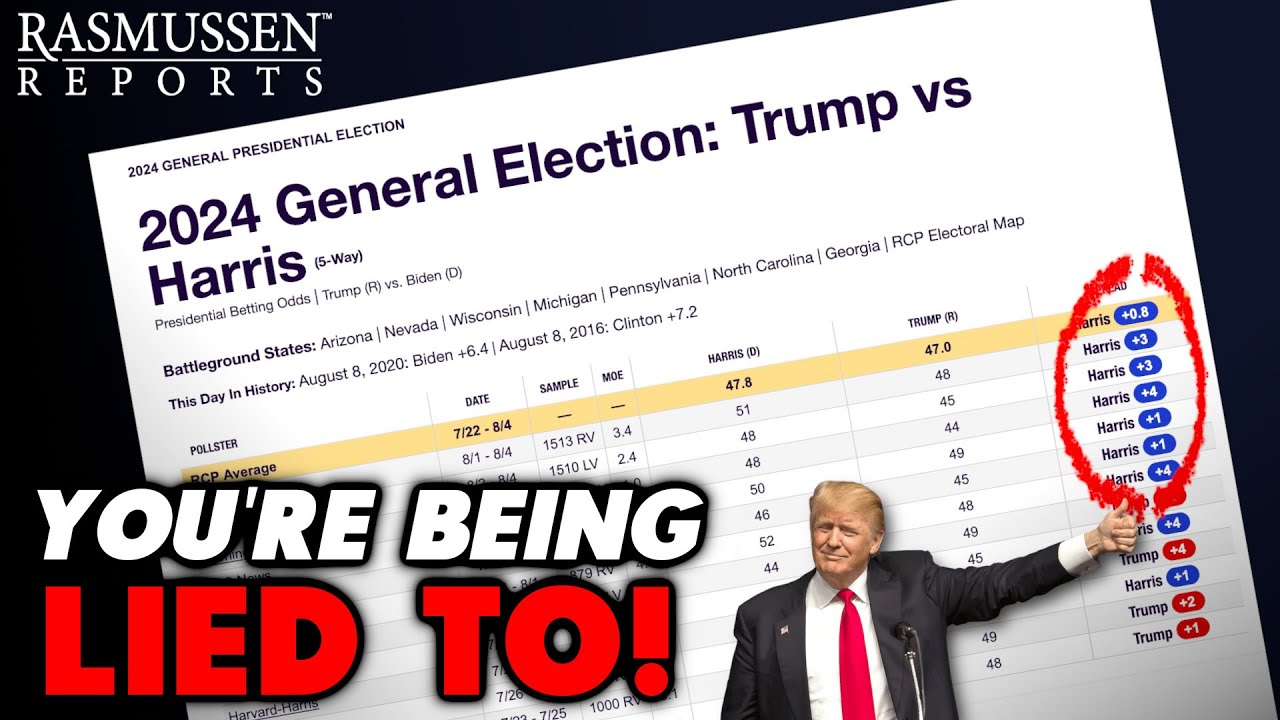
Kamala Harris is NOT WINNING! Latest 2024 Trump v. Harris Numbers.

Nitish ने ली CM पद की शपथ, तेजस्वी कैसे कर सकते हैं 'Check Mate', सुनिए Sukesh का राजनीतिक विश्लेषण

Kamala Harris Now Losing the Race

pros & cons of the university of toronto!

Sonic the Hedgehog 3 | Official Trailer (2024)
5.0 / 5 (0 votes)
