Movie Recommendations - ML System Design Interview
Summary
TLDRIn this video, Sean walks through a common machine learning interview question: designing a movie recommendation system from scratch. He details the key components, including data collection, feature engineering, training pipelines, and recommendation services. Using technologies like Kafka, MongoDB, and Redis, Sean explains how to handle millions of users, cold starts, and real-time updates. He also discusses the neural collaborative filtering model and emphasizes best practices for monitoring, logging, and scalability. Sean shares valuable insights into solving systems design problems for machine learning roles, showcasing both technical depth and practical tips.
Takeaways
- 😀 A movie recommendation system should handle millions of users, with personalized, relevant recommendations that are scalable and performant.
- 😀 Cold starts (new users with no data) are a common challenge, and asking about them in an interview shows a strong understanding of the problem.
- 😀 Kafka is a great tool for streaming real-time event data from user interactions and movie metadata.
- 😀 MongoDB is a suitable database for storing user data at scale, benefiting from horizontal scalability.
- 😀 Feature engineering involves creating relevant features from user interactions and movie metadata, which are stored in a feature store like Feast for freshness and versioning.
- 😀 Machine learning model training should involve periodic feature fetching, data sampling, and automatic hyperparameter tuning to handle massive scales of user-movie interactions.
- 😀 A neural collaborative filtering (NCF) model is used to recommend movies, combining matrix factorization with deep learning to predict user-movie affinities.
- 😀 The recommendation service should be a high-performance microservice using Redis cache for pre-computed recommendations, with fallback logic in case of model failures or slow performance.
- 😀 Geographic location-based recommendations can help solve the cold start problem by suggesting popular movies in a new user's area.
- 😀 Implementing monitoring tools like Prometheus and Grafana is essential to track key metrics like latency and recommendation quality, ensuring the system is performing well.
- 😀 Orchestrating the ETL and ML pipeline with a tool like Airflow can industrialize the process, ensuring smooth scheduling and execution of tasks in large-scale systems.
Q & A
What is the main focus of the machine learning interview question discussed in the video?
-The main focus is on building a movie recommendation service from scratch, which is a common interview question for ML-focused roles. It tests the candidate's understanding of data collection, feature engineering, training pipelines, and system design in a production setting.
What are the primary data sources for building the movie recommendation system?
-The primary data sources are user data, including explicit feedback (ratings and reviews) and implicit feedback (watch time, clicks, search history), and movie metadata, which includes information like genre, cast, release date, and plot summaries.
Why is Kafka chosen for collecting data in this system?
-Kafka is chosen because it excels at real-time event handling at scale, allowing data to be streamed from the web client efficiently and decoupling the client from the server. It handles user stream data and movie metadata updates effectively.
What kind of database is recommended for storing collected data, and why?
-A non-relational database such as MongoDB is recommended because of its horizontal scaling capabilities, which are essential when operating at scale with millions of users.
What is the role of feature engineering in the system, and what types of data are processed?
-Feature engineering processes two types of data: user interactions (e.g., ratings, watch history) and movie metadata (e.g., genre, plot). It involves creating features such as rolling statistics, viewing patterns, and temporal features, which are stored in a feature store for future use.
What tool is suggested for managing features and ensuring their freshness?
-Feast, a feature store, is suggested to manage features. It ensures feature freshness, supports feature versioning, and includes a backfill mechanism for computing historical features.
How is the machine learning model trained and tested in the system?
-The model is trained by fetching the latest features from the feature store and performing data transformations like train-test splitting with attention to temporal boundaries. The process also includes negative sampling and automatic hyperparameter tuning.
What type of machine learning model is used for recommendations, and how does it work?
-The system uses a neural collaborative filtering model, which combines traditional matrix factorization with deep learning. It processes user and movie features through separate dense layers, concatenates them, and passes them through additional layers to predict user-movie affinity.
How does the recommendation service handle real-time requests?
-The recommendation service handles real-time requests through a REST API, checking a Redis cache for pre-computed recommendations. If not available, it fetches user and movie features, performs candidate retrieval, and ranks them using the neural CF model, all within 100 milliseconds.
What strategy is suggested for handling cold starts in the recommendation system?
-For cold starts, where a new user has no data, a simple approach is to use the user's signup profile, such as geographic location, to recommend popular movies in their area. This also serves as a fallback during model downtimes or timeouts.
What tools are mentioned for monitoring and logging the recommendation system?
-Prometheus and Grafana are recommended for monitoring key metrics like latency, throughput, and recommendation quality, which are often overlooked in systems design interviews.
What is the role of orchestration in the proposed architecture, and which tool is suggested for it?
-Orchestration can help industrialize the ETL and ML pipeline. Apache Airflow is suggested for orchestrating tasks, though it's important to understand that Airflow is a tool for organizing tasks, not performing the work itself.
Outlines

This section is available to paid users only. Please upgrade to access this part.
Upgrade NowMindmap

This section is available to paid users only. Please upgrade to access this part.
Upgrade NowKeywords

This section is available to paid users only. Please upgrade to access this part.
Upgrade NowHighlights

This section is available to paid users only. Please upgrade to access this part.
Upgrade NowTranscripts

This section is available to paid users only. Please upgrade to access this part.
Upgrade NowBrowse More Related Video

ML Engineer Interviews Explained (in 5 Minutes)
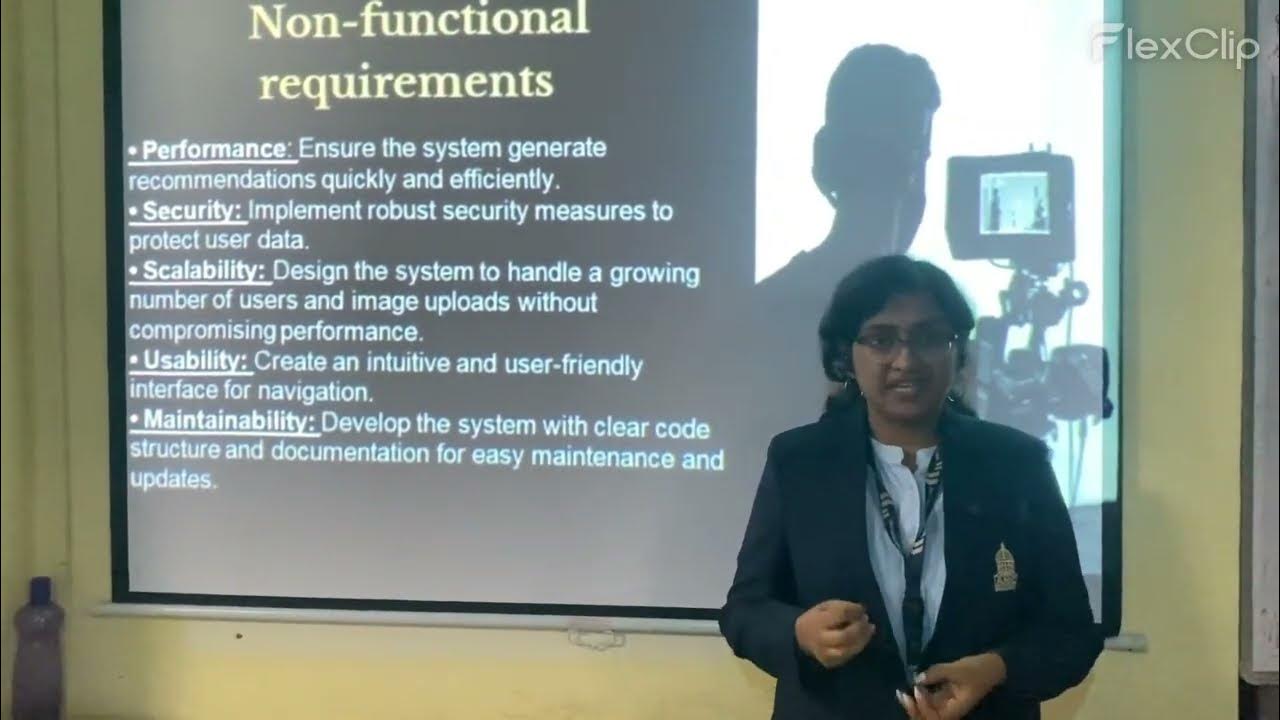
MOOD MOVIE - A mood based movie recommendation website

Machine Learning e-Commerce Shopee: Meningkatkan Pengalaman Belanja Pelanggan

Netflix's Unified ML Model: Deep Dive into Model Consolidation Manageability & Deployment Strategies
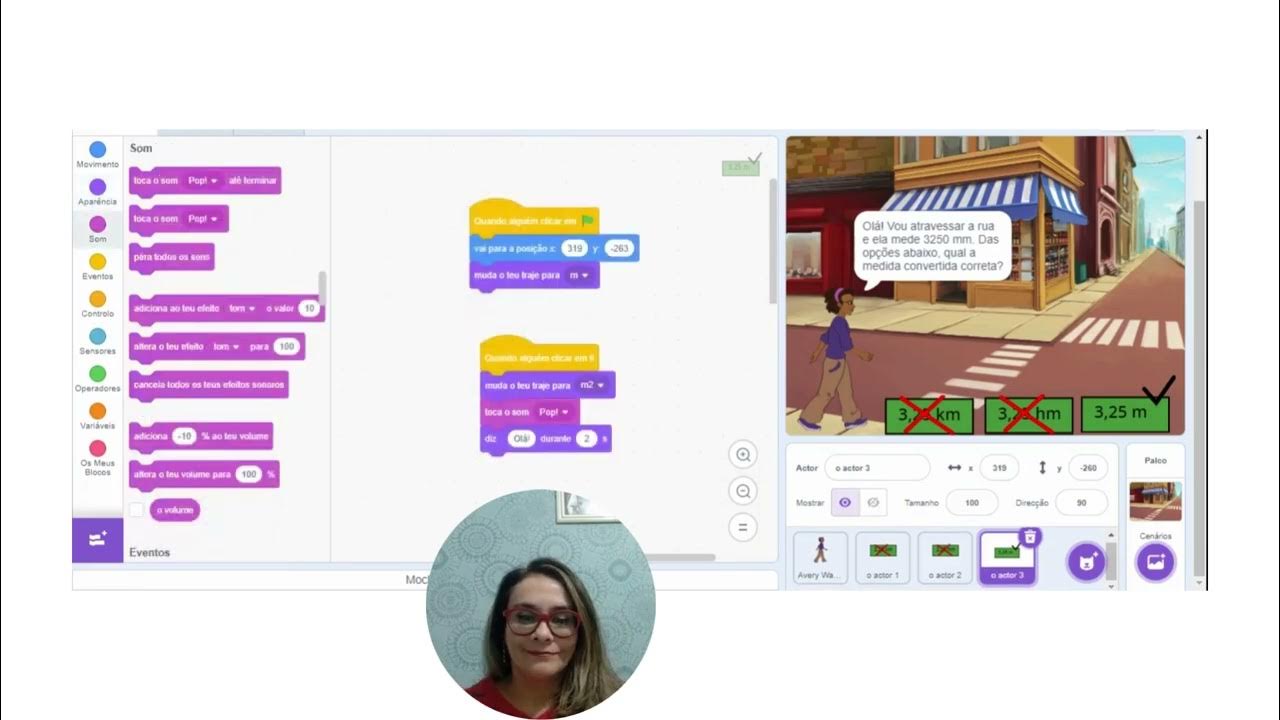
Exercício de matemática sobre unidade de medida elaborado na plataforma Scratch

ML Coding Interviews Explained
5.0 / 5 (0 votes)
