Designing for Student-Centered Learning
Summary
TLDRThe school described in the transcript embraces modern, flexible learning environments, prioritizing collaboration between teachers and students. With open spaces and learning communities, it encourages personalized education, allowing students to learn at their own pace and skill level. Teachers continuously collaborate and engage in professional development, ensuring the learning process is dynamic and authentic. The school promotes real-world engagement and flexibility, providing opportunities for students to interact, experiment, and evolve their learning experiences in a genuine and supportive atmosphere.
Takeaways
- 😀 The school is designed to cater to today's learners with a modern approach, differing from traditional schools.
- 😀 Students have the option to choose how they learn, either independently or with a peer for better focus and collaboration.
- 😀 The school is divided into nine learning communities, where teachers plan and co-teach together to enhance learning.
- 😀 Collaboration among teachers is a key focus, with educators engaging in frequent, flexible collaboration to improve teaching.
- 😀 Parents are encouraged to be actively involved, with opportunities for family activities like reading sessions at school.
- 😀 The school emphasizes authenticity, ensuring that learning experiences are genuine and applicable to real-world situations.
- 😀 Students are encouraged to take ownership of their learning by setting goals and choosing their learning pace based on their skills and abilities.
- 😀 The school fosters daily professional development for teachers, promoting continuous improvement and flexibility in teaching.
- 😀 Teachers are encouraged to be flexible and adaptive, often adjusting schedules and plans to meet the needs of students.
- 😀 Transparency in teaching methods, with open spaces and visible collaboration, allows for valuable insights and shared learning between educators.
Q & A
How does the design of the school reflect a new approach to learning?
-The school is designed to cater to today's learners, which means it doesn't look, feel, or function like a traditional school. It’s a state-of-the-art building that supports a new way of learning and teaching.
What is the benefit of learning individually versus with a peer, according to the students?
-Some students prefer learning alone because it allows them to concentrate and complete tasks efficiently, while others prefer learning with a friend because it helps them stay focused and engage in discussions.
What is a learning community in the context of this school?
-The school has nine learning communities, each consisting of three or four classes. Teachers within a learning community collaborate and co-teach, offering a more flexible and integrated teaching experience.
How does the school's teaching model promote flexibility?
-The school promotes flexibility by encouraging teachers to collaborate frequently and adjust their teaching methods as needed. Educators are constantly engaging with each other and making real-time adjustments to improve the learning experience.
How are parents involved in the learning process?
-Parents are actively involved in the school, with opportunities to engage in activities such as family reading sessions. Teachers open the doors to their classrooms, inviting parents to participate in the learning environment.
What is the core value behind the school's learning approach?
-The core value is authenticity. The learning is genuine, and the environment encourages real-life experiences rather than artificial or outdated educational practices.
How does the school promote self-awareness in students?
-The school encourages students to be actively engaged in their learning, emphasizing the importance of understanding their goals and how to achieve them. This helps foster self-awareness and responsibility for their own educational journey.
What role does collaboration play among educators at the school?
-Collaboration is a key asset of the school. Educators work together daily, engaging in constant professional development, sharing insights, and adjusting their teaching strategies based on collective input from colleagues.
How does the school environment make it easy for teachers to collaborate?
-The open and flexible design of the school, with transparent spaces and easy access to other classrooms, enables teachers to collaborate effectively. Educators can quickly visit other classrooms, observe different teaching methods, and immediately apply new strategies in their own classrooms.
What is the impact of transparency and open spaces in the school?
-The transparency and open spaces foster a collaborative culture where teachers and staff can exchange ideas, observe each other’s practices, and continuously improve. This openness helps enhance the learning experience for both educators and students.
Outlines

This section is available to paid users only. Please upgrade to access this part.
Upgrade NowMindmap

This section is available to paid users only. Please upgrade to access this part.
Upgrade NowKeywords

This section is available to paid users only. Please upgrade to access this part.
Upgrade NowHighlights

This section is available to paid users only. Please upgrade to access this part.
Upgrade NowTranscripts

This section is available to paid users only. Please upgrade to access this part.
Upgrade NowBrowse More Related Video
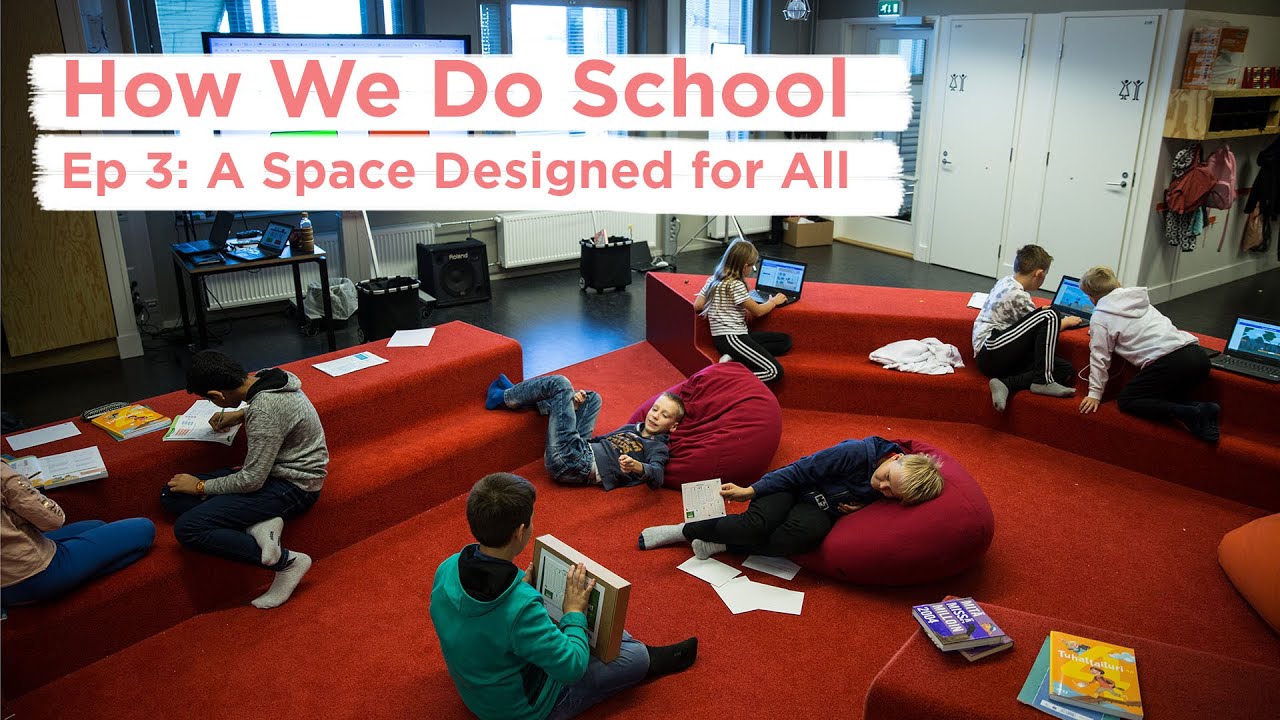
HOW WE DO SCHOOL FINLAND EP 3: A School Designed For All

KONSEP PENDIDIKAN YANG MEMERDEKAKAN

Education Reimagined: Student-led Learning | Dr. Catlin Tucker | TEDxFolsom

1. Prinsip dan Karakteristik Pembelajaran pada Kurikulum Merdeka (Kurikulum Merdeka)

Inside A Tech-Free School Where Tech Executives Send Their Kids

Kids are getting ruder in the classroom. This researcher explains why
5.0 / 5 (0 votes)
