The Mechanism of the Archive Service
Summary
TLDRThis video introduces the National Archives of the Republic of Indonesia, showcasing its services and procedures for visitors. The video explains the steps for accessing the archives, including filling out a visitor's card, getting a locker key, and navigating the reading room. It also covers how to search for archives using the catalog, the different media types available, and the process for borrowing and duplicating archives. The video concludes by highlighting the resources available for visitors and encourages exploring the archives to enhance historical knowledge.
Takeaways
- 😀 Visitors to the National Archives of the Republic of Indonesia must fill out a visitors card with their identity at the receptionist.
- 😀 To receive a visitor number card and locker key, visitors need to present a passport, ID card, or driver's license.
- 😀 There are specific rules to follow in the reading room, and visitors should adhere to the user requirements for both Indonesian and foreign citizens.
- 😀 Upon entering the reading room, visitors must fill out the guest book and provide their user requirements to the service staff.
- 😀 Archives can be searched by period (Ryo C for colonial or Republic for post-1945) or media type (textual, film, cartography, architecture, photos, digital, microfilm, and voice recordings).
- 😀 The archive system allows users to search for materials by entering keywords, selecting relevant archive descriptions, and filling out an archive borrowing form.
- 😀 The archive borrowing form requires users to fill in details like name, address, archive title, number, and specific information, and sign the form.
- 😀 Once the archives are found, visitors will receive the materials with a table number card to view them, including options for cartography, architecture, textual archives, and microfilm.
- 😀 Microfilm can be viewed using a micro reader, where users can focus, rotate, or adjust the reel to their preference.
- 😀 Visitors can also view films via DVD players, and if they wish to duplicate a film, they must fill out an archive duplication form with details such as film duration and photo size.
- 😀 The reading room is stocked with various books and resources, including generalities, philosophy, psychology, language, natural science, mathematics, and technology.
- 😀 After using the archives, visitors must return the visitor number card and locker key to the receptionist to complete their visit.
Q & A
What is the primary purpose of the National Archives of the Republic of Indonesia?
-The primary purpose of the National Archives of the Republic of Indonesia is to maintain a central archive for the country, preserving important historical documents and records.
What are the steps to access the reading room at the National Archives?
-To access the reading room, you must fill out a visitor's card with your identity at the receptionist. Then, you need to provide a passport, ID card, or driver's license to receive a visitor number card and a locker key.
What rules must be followed in the reading room?
-There are specific user requirements for both local and foreign citizens. While the exact rules are not explicitly detailed in the script, it implies following general conduct and respecting the archive materials.
How does one enter the reading room once they have received their visitor card?
-To enter the reading room, you must scan your visitor card in front of the card scanner. The door will open once the card is scanned.
What should visitors do first when they enter the reading room?
-The first thing visitors should do upon entering the reading room is fill in the guest book. After that, they must give the user requirement to the service staff.
How are archives categorized in the National Archives of Indonesia?
-Archives are categorized by period and media. The period categories are 'Ryo C' (colonial, before 1945) and 'Republic' (after 1945). Media categories include textual, film, cartography, architectural photos, digital, microfilm, and voice recordings.
How can visitors search for the archives they need?
-Visitors can search for archives by accessing the catalog system and entering keywords. The system will display a list of results, from which visitors can choose the desired archive. Visitors can also search by archive code.
What is the procedure to borrow an archive from the National Archives?
-To borrow an archive, visitors must fill out an archive borrowing form, including their name, address, archive number, specific information, borrowing date, and signature. The service staff will then provide the archive.
What options are available for viewing different types of archives in the National Archives?
-Visitors can view textual archives, cartography, architectural photos, and microfilms in the microfilm room. Films can be viewed in the film preview room, and microfilms can be read using a microfilm reader.
What steps should be taken to duplicate an archive, such as a film?
-To duplicate an archive, visitors must fill out an archive duplication form, providing their name, institution, date of order, archive collection number, paper or photo size, and signature. They must also specify the film's duration for duplication.
Outlines

This section is available to paid users only. Please upgrade to access this part.
Upgrade NowMindmap

This section is available to paid users only. Please upgrade to access this part.
Upgrade NowKeywords

This section is available to paid users only. Please upgrade to access this part.
Upgrade NowHighlights

This section is available to paid users only. Please upgrade to access this part.
Upgrade NowTranscripts

This section is available to paid users only. Please upgrade to access this part.
Upgrade NowBrowse More Related Video
Materi IPS Kelas 9 Bab 4: Perkembangan Politik Indonesia Pada Masa Kemerdekaan
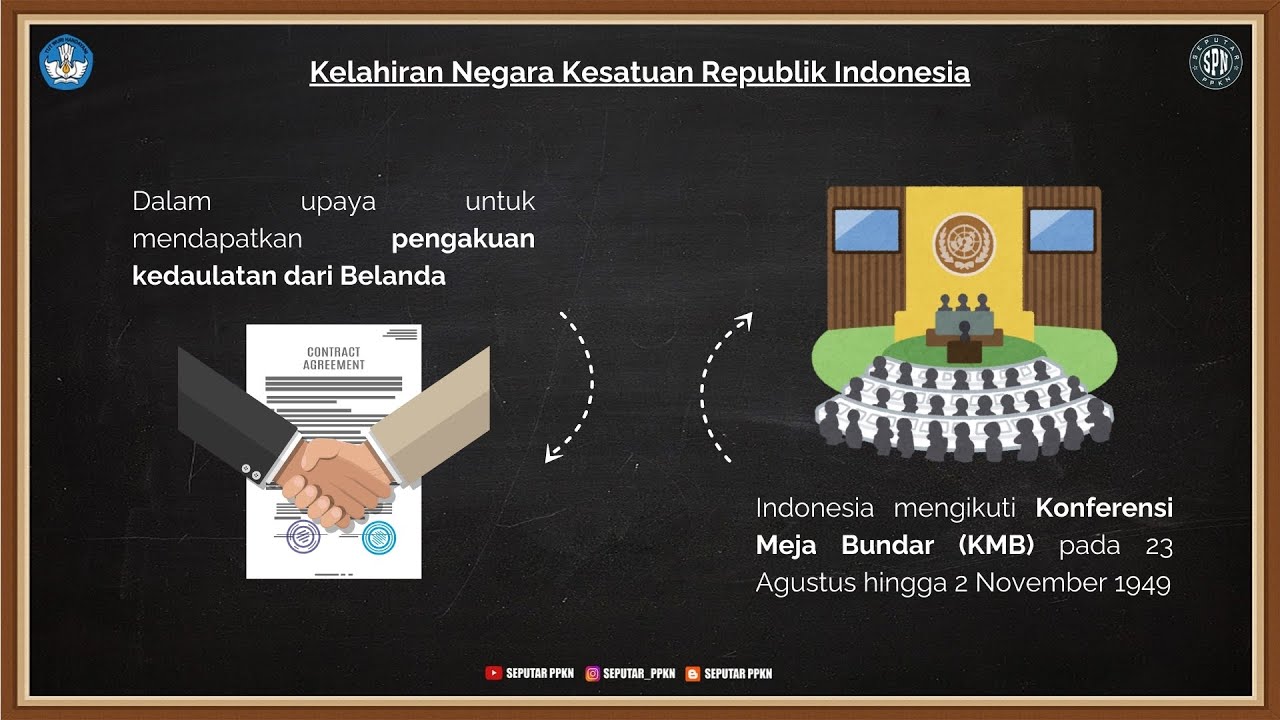
WILAYAH NEGARA KESATUAN REPUBLIK INDONESIA (BAB V - BUKU PENDIDIKAN PANCASILA EDISI 2023)

Materi Pendidikan Pancasila Kelas XI BAB 4 || A. Pentingnya Menjaga Keutuhan NKRI
BAB 5//B.Upaya Mempertahankan Kesatuan dan Persatuan NKRI//kelas 9//

Profil Dinas Perpustakaan dan Kearsipan Kota Surabaya
PROSEDUR PENGGUNAAN ARSIP || KD 3.8. Menerapkan penggunaan arsip || KEARSIPAN KELAS X OTKP
5.0 / 5 (0 votes)
