Parking Lot Design | Grokking The Object Oriented Design Interview Question
Summary
TLDRIn this video, the speaker walks through the design of a complex parking lot system using object-oriented design patterns. Key elements include parking spot assignment, payment processing, and tariff calculation, implemented through the Strategy, Singleton, Factory, and Observer patterns. The speaker discusses how to build a scalable and flexible system by breaking it into smaller, modular components, such as terminals, payment processors, and printers. The video aims to provide guidelines for approaching system design questions in interviews, focusing on clean architecture and extensibility to handle future requirements.
Takeaways
- 😀 **Singleton Design Pattern** is used for the Parking Lot System to ensure only one instance of the system exists.
- 😀 **Factory Design Pattern** is employed to instantiate components like terminals, payment processors, and printers based on a configuration object.
- 😀 **Strategy Design Pattern** is utilized for handling various payment processors (credit card, cash, Apple Pay) that implement the same interface.
- 😀 The system incorporates an **Observer Design Pattern** for monitoring components, enabling them to observe changes within the system.
- 😀 **Tariff Calculation** is handled by the **Strategy Design Pattern**, allowing for different classes to implement unique tariff rules for weekdays and weekends.
- 😀 The parking lot system can be dynamically configured via a **configuration object** that defines key settings like the number of spots and payment processor settings.
- 😀 **Synchronization** mechanisms, like locks, may be needed to handle concurrency, particularly in the Strategy pattern for payment processing and tariff calculation.
- 😀 The overall system includes **entry/exit terminals, parking spots, payment processors, and printers**, all linked through the Factory pattern based on the configuration object.
- 😀 The system needs to adapt to new requirements, such as considering both **entrance proximity and nearby elevators** when selecting parking spots.
- 😀 The main takeaway is that understanding and applying design patterns like Singleton, Factory, Strategy, and Observer is crucial for solving complex real-world design problems, particularly in systems like parking management.
- 😀 The speaker emphasizes **bottom-up design** for developing individual components before integrating them into the entire parking lot system.
Q & A
What is the primary goal of the parking lot system design discussed in the video?
-The primary goal is to design a flexible, efficient parking lot system that can handle various functionalities like parking spot assignment, payment processing, and monitoring, while ensuring scalability and maintainability through the use of design patterns like Singleton, Factory, Strategy, and Observer.
Why is the Singleton design pattern used in the parking lot system?
-The Singleton pattern is used to ensure there is only one instance of the `ParkingLotSystem` class, which represents the entire parking lot system. This prevents the creation of multiple instances and ensures consistency across the system.
How does the Factory design pattern play a role in the parking lot system?
-The Factory design pattern is used to create various objects within the parking lot system, such as terminals, payment processors, and printers. It allows for the creation of these objects in a modular and flexible manner based on the configuration settings, making the system easily extendable.
What design pattern is used for payment processing, and how does it work?
-The Strategy design pattern is used for payment processing. The `PaymentProcessor` interface is implemented by different classes that handle various payment methods (e.g., credit cards, cash, Apple Pay). This pattern allows the system to easily add new payment methods without modifying existing code.
What is the purpose of the Observer design pattern in the parking lot system?
-The Observer design pattern is used for the monitoring system, where different components within the system (e.g., parking spots, terminals) need to be updated about changes such as available parking spaces or payment status. This pattern helps manage and propagate events throughout the system.
What additional requirement does the interviewer introduce in the video, and how does it affect the parking spot selection?
-The interviewer adds the requirement of selecting a parking spot that is nearest to both an entrance terminal and an elevator. This adds a complexity to the system as it must now consider proximity to both the entrance and the elevator when assigning parking spots.
What role does the configuration object play in the design of the parking lot system?
-The configuration object is used to provide dynamic settings for the parking lot system, such as the number of parking spots, types of spots, printer configurations, and payment processor settings. This object helps in customizing the system based on specific requirements.
How are the different types of parking spots handled in the system design?
-The parking spots are handled through a parking assignment strategy, which assigns spots based on configuration settings. Different types of spots (e.g., regular, VIP, disabled) are accounted for in the strategy, and the distances from entrance terminals are also considered.
What challenges might arise from implementing a parking lot system that involves concurrent access to shared resources, like parking spots?
-One of the challenges is ensuring thread safety when multiple customers or systems access shared resources (such as parking spots) simultaneously. This can be managed using synchronization mechanisms like locks to prevent race conditions and data inconsistencies.
Why is it important to break down the parking lot system design into smaller components, and how does it benefit the overall system?
-Breaking the design into smaller, manageable components makes the system more modular, maintainable, and extensible. It allows for easier updates and modifications (e.g., adding new payment processors or changing parking assignment strategies) without affecting the entire system. Using design patterns like Factory and Strategy helps maintain flexibility and scalability.
Outlines

This section is available to paid users only. Please upgrade to access this part.
Upgrade NowMindmap

This section is available to paid users only. Please upgrade to access this part.
Upgrade NowKeywords

This section is available to paid users only. Please upgrade to access this part.
Upgrade NowHighlights

This section is available to paid users only. Please upgrade to access this part.
Upgrade NowTranscripts

This section is available to paid users only. Please upgrade to access this part.
Upgrade NowBrowse More Related Video

Low Level Design 102 |What is LLD(Low Level Design)? Simplified steps to learn and break LLD problem

#31 Observer Design Pattern - Behavioural Patterns |DP|
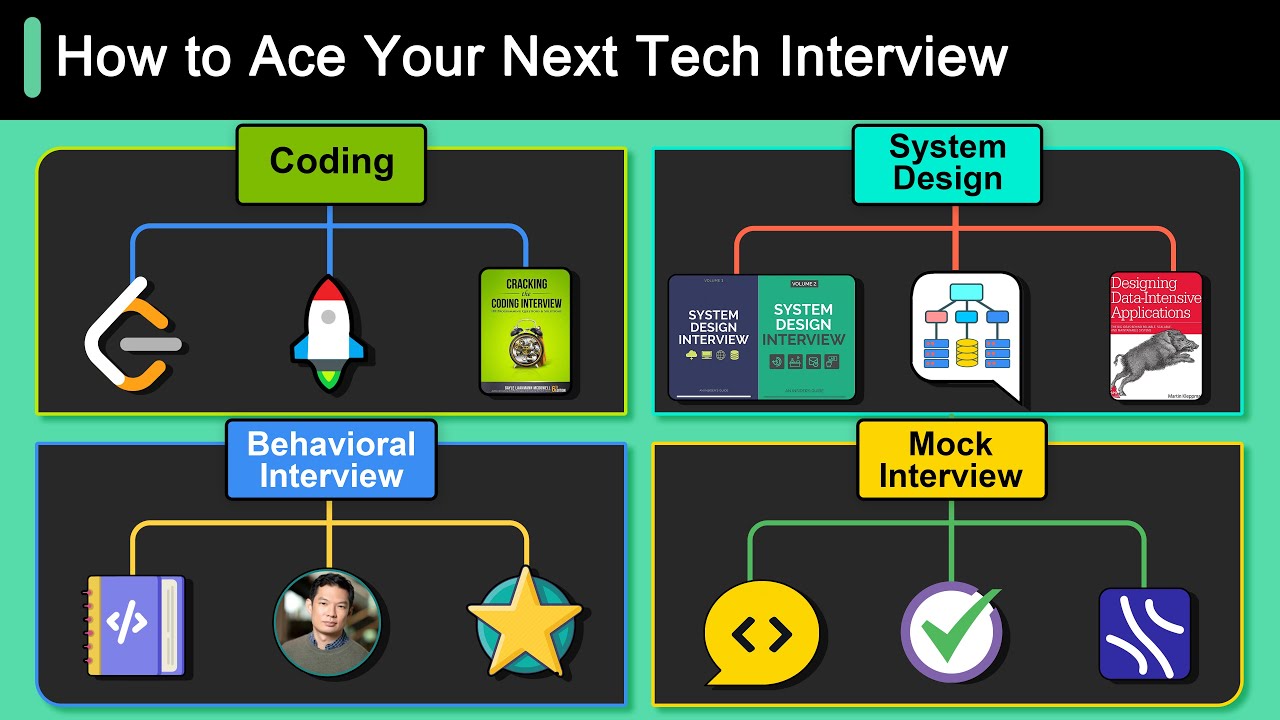
Our Recommended Materials For Cracking Your Next Tech Interview

How to Draw Architecture in Isometric

OOP Principles: Composition vs Inheritance

Programming Concepts - Design Patterns (Creational, Structural and Behavioral)
5.0 / 5 (0 votes)
