Blended learning & flipped classroom
Summary
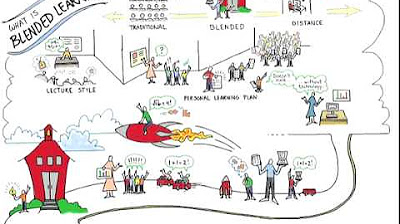
TLDRBlended learning combines online resources with in-person instruction to create a personalized learning environment. This approach, exemplified by the flipped classroom model, allows students to learn at their own pace outside of class, while using class time for active, hands-on assignments. Blended learning shifts the teacher’s role from a passive lecturer to an active guide, promoting student-centered learning. It supports flexibility and mastery-based progression, allowing students to move forward only when they fully grasp the material. Despite challenges, including the need for technology and student engagement, blended learning can significantly enhance both teaching and learning experiences.
Takeaways
- 😀 Blended learning combines online resources with in-person instruction, creating a personalized learning environment.
- 😀 The flipped classroom model is a type of blended learning where students consume lecture material at home and complete assignments during class time.
- 😀 The flipped classroom model allows students to work at their own pace, providing more flexibility and individualization in learning.
- 😀 Online learning materials can help students review and engage with content at times that suit them best, increasing their learning efficiency.
- 😀 Blended learning supports students with disabilities by allowing them to take breaks as needed, without disrupting the class.
- 😀 Active work, such as completing assignments in class, is more effective for learning than passive listening to lectures.
- 😀 Instructors are available during class time to help students apply their knowledge, addressing misunderstandings or challenges in real-time.
- 😀 Group work is made easier in a blended classroom because students can collaborate during class time, with instructors available for guidance.
- 😀 Blended learning maintains face-to-face interactions between students and teachers, shifting the teacher's role from a lecturer to a guide.
- 😀 Blended learning supports mastery-based learning, where students progress at their own pace, ensuring they truly understand the material before moving on.
- 😀 Despite its benefits, blended learning can be challenging, particularly in terms of technical requirements, student accountability, and changing the teacher’s role to that of a coach.
Q & A
What is blended learning?
-Blended learning is a teaching approach that combines online resources with in-person instruction to create a more personalized and flexible learning environment for students.
How does the flipped classroom model fit into blended learning?
-The flipped classroom model is a type of blended learning where students consume lecture materials at home and engage in class activities, such as assignments or projects, during in-person class time.
What are the advantages of students consuming lecture material at home?
-Allowing students to consume lecture material at their own pace provides flexibility, as they can pause, take notes, rewatch content, or speed through material they already understand. It also allows students to engage with content at times when they are most alert.
Why is it beneficial for students with disabilities to have online lecture materials?
-Students with disabilities can take necessary breaks without missing out on content or distracting others, which makes learning more accessible and less stressful.
What is the significance of moving work assignments into the classroom?
-Having students complete work assignments during class time allows teachers to provide real-time support and guidance. This approach aligns with research, which shows that active engagement in learning, rather than passive listening, is more effective for retention.
What challenges do students typically face with group work, and how does blended learning address them?
-Coordinating in-person group meetings can be difficult, and the quality of those meetings can vary. By moving group work to the classroom, logistical issues are minimized, and instructors can facilitate and guide group work more effectively.
How does blended learning optimize face-to-face classroom interactions?
-Blended learning does not eliminate face-to-face time. Instead, it optimizes it by shifting the teacher's role from being a passive lecturer to a more active role as a 'guide-on-the-side,' helping students in a more personalized and supportive way.
What shift does blended learning create in the teacher’s role?
-In blended learning environments, the teacher transitions from a ‘sage-on-the-stage’ who delivers lectures to a ‘guide-on-the-side’ who supports students individually, helping them apply their knowledge and guiding their learning process.
What is the advantage of a mastery-based model in a blended learning classroom?
-A mastery-based model allows students to progress through material at their own pace, ensuring they fully understand a topic before moving on. This prevents students from being rushed through content they haven’t mastered and ensures confidence in their knowledge before testing.
What challenges come with implementing blended learning?
-Blended learning can face challenges like ensuring the availability and reliability of technical resources, overcoming the learning curve for teachers unfamiliar with technology, and ensuring students consume online materials and come prepared to class.
How can teachers ensure students engage with online materials before class?
-Teachers can incentivize students to engage with online materials by tying in-class assignments directly to the content delivered online, making it easier to track and monitor students' preparation and engagement.
What is required for blended learning to be successful?
-For blended learning to succeed, both the teacher and the student must be committed to the approach. The teacher must embrace their new role as a coach, and students must take responsibility for their own learning process, developing skills in independent thinking and learning.
Outlines

This section is available to paid users only. Please upgrade to access this part.
Upgrade NowMindmap

This section is available to paid users only. Please upgrade to access this part.
Upgrade NowKeywords

This section is available to paid users only. Please upgrade to access this part.
Upgrade NowHighlights

This section is available to paid users only. Please upgrade to access this part.
Upgrade NowTranscripts

This section is available to paid users only. Please upgrade to access this part.
Upgrade Now



5.0 / 5 (0 votes)
