Designing Roller Coasters with Artificial Intelligence | A Crash Course in Machine Learning
Summary
TLDRThis video explores an innovative personal project combining roller coaster design and artificial intelligence. The creator has developed CoasterAI, a program that uses a genetic machine learning algorithm to design 2D roller coasters. The AI learns to create track layouts by optimizing various factors like speed, g-force, and steepness. Though the task presents challenges, such as the subjective nature of 'fun,' CoasterAI can generate unique elements and even create vertical loops similar to real-world designs. The video also introduces AI and machine learning concepts while demonstrating the potential of AI in creative applications.
Takeaways
- 🤖 The video discusses a personal project combining roller coaster design with artificial intelligence (AI).
- 🧠 AI and machine learning are highlighted as tools for optimizing tasks, with machine learning being a subset of AI that enables intelligent behavior.
- 🎢 The project's goal is to teach an AI to design roller coasters, which is complex due to the multi-objective nature of track design.
- 🧩 A key challenge is that 'fun' in roller coasters is subjective and cannot be quantified by a simple mathematical equation.
- 🛠️ The AI program 'CoasterAI' uses a genetic machine learning algorithm to design 2D roller coasters, indicating the potential for AI in creative fields.
- 🤹♂️ The program consists of four main components: a neural network for spline generation, a physics engine, a rating system, and a machine learning algorithm for optimization.
- 🧮 Neural networks, inspired by the human brain, are used to generate track splines, with nodes and layers processing input to produce output.
- 📉 A physics engine calculates velocity, acceleration, and g-force along the track to ensure the design is physically plausible.
- 🏆 The rating system assigns a score to each design based on speed, g-force, steepness, boundary constraints, and inversions, guiding the AI's learning process.
- 🌐 The use of a genetic algorithm allows the AI to 'evolve' by natural selection, improving designs over generations through a process of mutation and selection.
Q & A
What is the main focus of the video?
-The main focus of the video is to explore a personal project that combines roller coaster design with artificial intelligence, specifically using a program called CoasterAI.
Why is designing a roller coaster considered a good fit for the human brain?
-Designing a roller coaster is considered a good fit for the human brain because it involves a high level of creativity and reasoning, cognitive abilities that are not easily replicated by a computer.
What is the challenge in teaching an AI to design roller coasters?
-The challenge lies in the fact that designing a track layout is a multi-objective optimization problem with conflicting objectives, and there's no clear definition or mathematical equation for what makes a roller coaster fun or optimal.
How does the CoasterAI program approach the design of roller coasters?
-CoasterAI uses a genetic machine learning algorithm to design simple 2D roller coasters, generating layouts that are not necessarily optimal but are completely created by AI, sometimes even inventing new elements.
What are the four key components of the CoasterAI program?
-The four key components of the CoasterAI program are: a method for generating splines using a neural network, a basic physics engine, a rating system for scoring roller coaster designs, and a machine learning algorithm for training and optimization.
How does the neural network within CoasterAI contribute to the design process?
-The neural network acts as the 'brain' of the AI, receiving input parameters, processing them through interconnected nodes, and outputting decisions that affect the shape of the roller coaster track spline.
What role does the physics engine play in the CoasterAI program?
-The physics engine calculates velocity, acceleration, g-force, and other physical properties along the roller coaster track, providing essential data for the rating system to evaluate the design.
How does the rating system in CoasterAI evaluate roller coaster designs?
-The rating system assigns a quantitative score to each design based on criteria such as speed, g-force, steepness, boundary constraints, and inversions, with adjustments for constraints and energy conservation.
What is a genetic machine learning algorithm, and how is it used in CoasterAI?
-A genetic machine learning algorithm is inspired by biological evolution, creating a population of AI 'bots' that evolve over generations through natural selection, mutations, and inheritance of successful traits to optimize roller coaster design.
What are the potential next steps for the CoasterAI program?
-Potential next steps include expanding the program to string multiple elements together, creating full 3D track layouts, and further refining the AI to handle more complex roller coaster design challenges.
Outlines

This section is available to paid users only. Please upgrade to access this part.
Upgrade NowMindmap

This section is available to paid users only. Please upgrade to access this part.
Upgrade NowKeywords

This section is available to paid users only. Please upgrade to access this part.
Upgrade NowHighlights

This section is available to paid users only. Please upgrade to access this part.
Upgrade NowTranscripts

This section is available to paid users only. Please upgrade to access this part.
Upgrade NowBrowse More Related Video
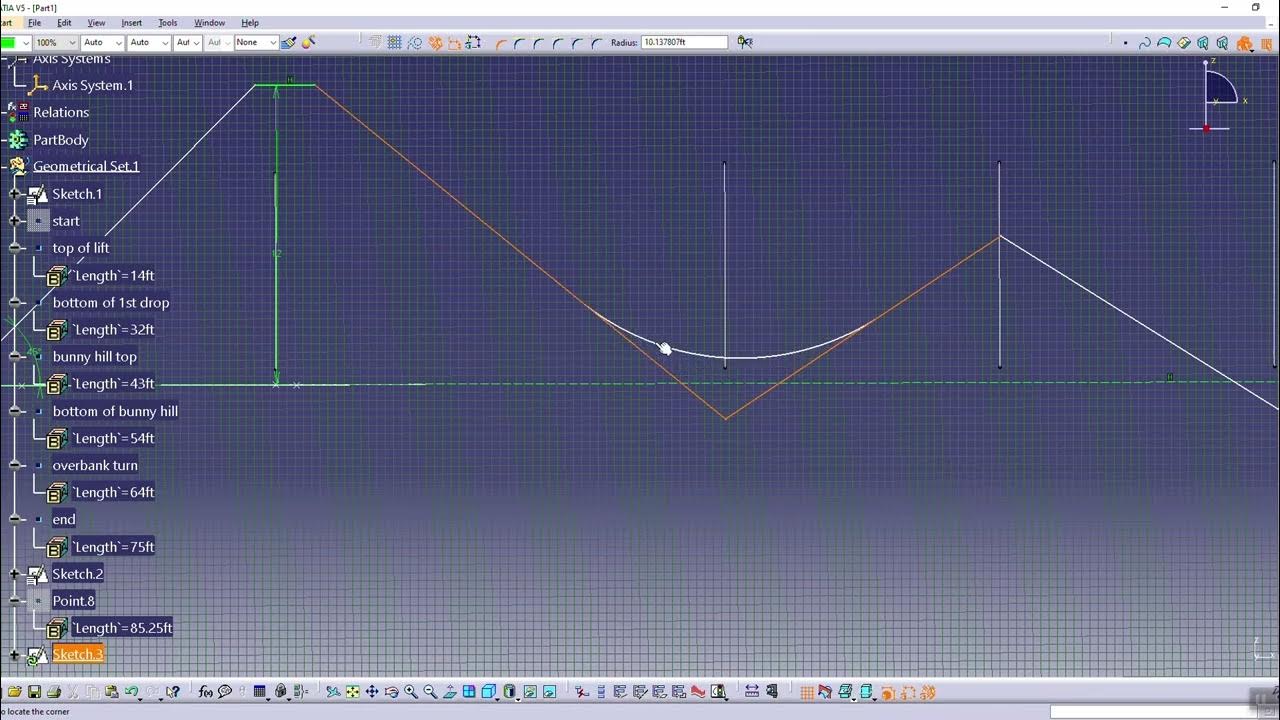
Roller Coaster CAD Modeling - Part 1

The Real Physics of Roller Coaster Loops

BIOLOGI SMA - Sistem Ekskresi pada Ginjal (TRIVIA) | GIA Academy
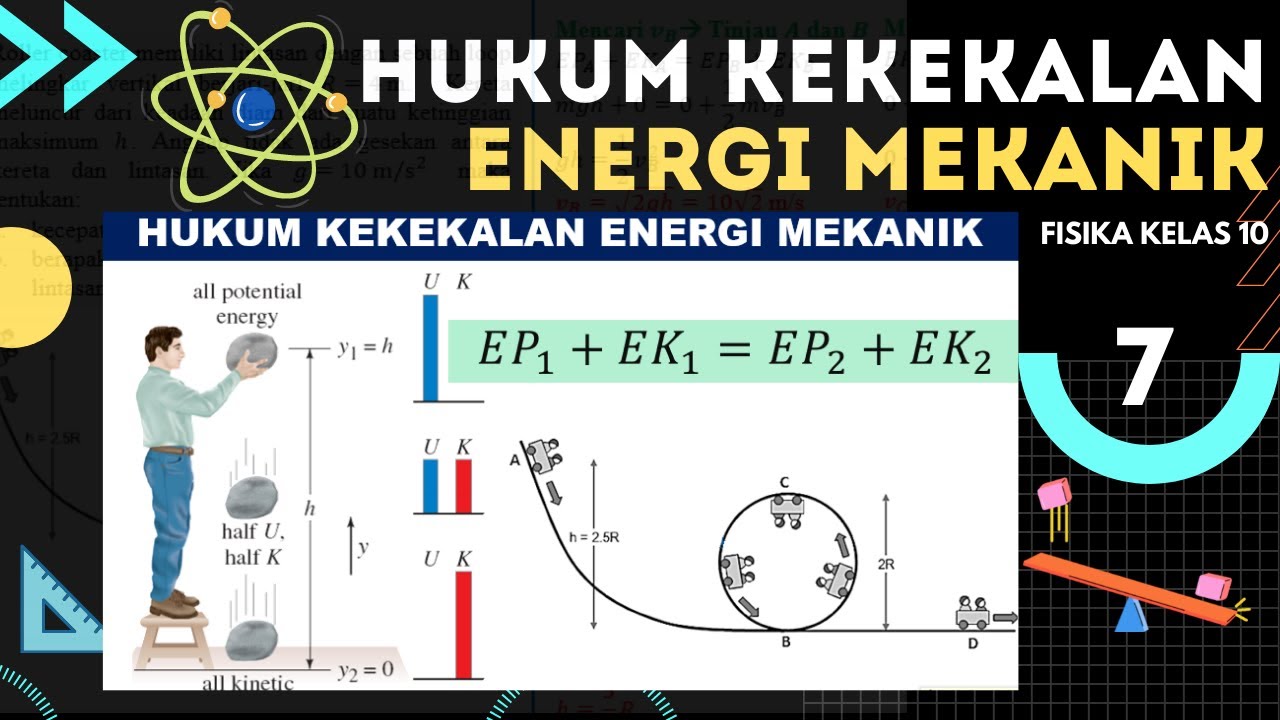
Usaha Energi Fisika Kelas 10 - Part 7 : Hukum Kekekalan Energi Mekanik

How Roller Coasters Use Energy - An Introductory Lesson

Roller coasters are getting better, here's why
5.0 / 5 (0 votes)
