Blood cell lineages | Immune system physiology | NCLEX-RN | Khan Academy
Summary
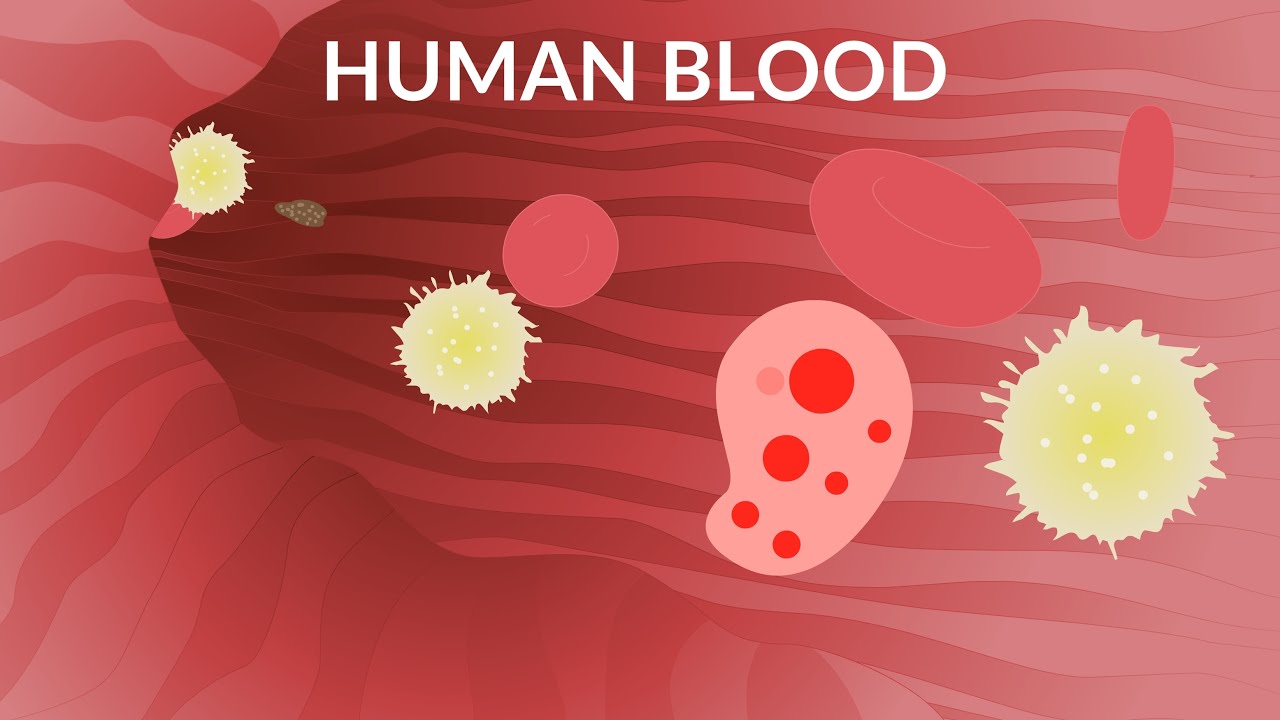
TLDRThis video explores the origin and development of the various blood cells in our body. It explains that all blood cells are produced in the bone marrow from a powerful pluripotent hematopoietic stem cell, which gives rise to two main lineages: myeloid and lymphoid. The video details how these lineages produce the ten different blood cell types, including red blood cells, platelets, and various immune cells such as B cells, T cells, macrophages, and dendritic cells. It also highlights surprising relationships, like macrophages being closer to red blood cells than to B cells, and the unique dual lineage of dendritic cells.
Takeaways
- 😀 Blood cells are produced in the bone marrow, which is inside bones, and they come from precursor cells that divide to generate new blood cells.
- 😀 The pluripotent hematopoietic stem cell in the bone marrow can give rise to all 10 types of blood cells.
- 😀 The stem cell is called 'pluripotent hematopoietic' because it can produce multiple types of blood cells, and its role is essential in blood cell production (hematopoiesis).
- 😀 Macrophages, despite being immune cells, are more closely related to red blood cells than to B-cells, which are involved in antibody production.
- 😀 Blood cells are categorized into two main lineages: myeloid and lymphoid.
- 😀 The lymphoid lineage produces NK cells, B cells, and T cells, while the myeloid lineage produces other blood cells like red blood cells, platelets, neutrophils, and macrophages.
- 😀 Megakaryocytes in the myeloid lineage are responsible for producing platelets.
- 😀 The myeloid lineage also includes neutrophils, basophils, eosinophils, and monocytes, which are important for immune responses.
- 😀 Monocytes are precursor cells that differentiate into macrophages and dendritic cells once they enter tissues.
- 😀 Dendritic cells can originate from both the myeloid and lymphoid lineages, making them an exception in the categorization of blood cells.
Q & A
Where are all blood cells in the body produced?
-All blood cells are produced in the bone marrow, which is the soft tissue found inside bones.
What is a pluripotent hematopoietic stem cell?
-A pluripotent hematopoietic stem cell is a powerful stem cell in the bone marrow that can divide and produce all 10 types of blood cells.
What does the term 'pluripotent' mean in the context of stem cells?
-'Pluripotent' means the ability of a stem cell to develop into multiple different types of cells, in this case, various blood cells.
What are the two main lineages that blood cells originate from?
-Blood cells originate from two main lineages: the myeloid lineage and the lymphoid lineage.
Which blood cells come from the lymphoid lineage?
-The lymphoid lineage gives rise to three types of immune cells: NK cells, B cells, and T cells.
Which blood cells are produced by the myeloid lineage?
-The myeloid lineage produces red blood cells, platelets (via megakaryocytes), and immune cells such as neutrophils, basophils, eosinophils, monocytes, and mast cells.
Is a macrophage more closely related to a B cell or a red blood cell?
-A macrophage is more closely related to a red blood cell than to a B cell, despite both macrophages and B cells being part of the immune system.
What role do megakaryocytes play in the blood?
-Megakaryocytes produce platelets by budding off small pieces of their cytoplasm surrounded by a membrane.
What is the difference between a monocyte and a macrophage?
-A monocyte is a circulating precursor cell in the blood that can differentiate into a macrophage or dendritic cell once it enters tissues.
Where do dendritic cells come from?
-Dendritic cells can come from both the myeloid and lymphoid lineages. Myeloid-derived dendritic cells develop from monocytes, while lymphoid-derived dendritic cells develop from a lymphoid precursor.
Why is it easy for blood cells to enter blood vessels from the bone marrow?
-Bone marrow is rich in small blood vessels, making it relatively easy for newly formed blood cells to enter the bloodstream.
What are the rare myeloid immune cells mentioned in the transcript?
-The rare myeloid immune cells are basophils, eosinophils, and mast cells, which are present in smaller numbers in the blood compared to other blood cells.
Outlines

Этот раздел доступен только подписчикам платных тарифов. Пожалуйста, перейдите на платный тариф для доступа.
Перейти на платный тарифMindmap

Этот раздел доступен только подписчикам платных тарифов. Пожалуйста, перейдите на платный тариф для доступа.
Перейти на платный тарифKeywords

Этот раздел доступен только подписчикам платных тарифов. Пожалуйста, перейдите на платный тариф для доступа.
Перейти на платный тарифHighlights

Этот раздел доступен только подписчикам платных тарифов. Пожалуйста, перейдите на платный тариф для доступа.
Перейти на платный тарифTranscripts

Этот раздел доступен только подписчикам платных тарифов. Пожалуйста, перейдите на платный тариф для доступа.
Перейти на платный тариф




5.0 / 5 (0 votes)

