Aprenda a interpretar o HEMOGRAMA de forma FÁCIL
Summary
TLDRIn this video, a medical professional explains the components of a complete blood count (CBC) test, a key tool used in clinical practice. The focus is on the three main parts of the CBC: erythrogram (red blood cells), leucogram (white blood cells), and plaquetogram (platelets). The video covers what each component indicates, such as anemia or polycythemia, and explains how to interpret abnormal results. It also discusses the significance of different cell types like neutrophils, eosinophils, and lymphocytes, providing valuable insights for understanding blood test results and their potential implications for health conditions.
Takeaways
- 🩸 A complete blood count (CBC) or hemogram consists of three main components: erythrogram (red blood cells), leukogram (white blood cells), and platelet count (plaquetogram).
- 🔬 The erythrogram evaluates red blood cells, hemoglobin, and hematocrit. Low values suggest anemia, while high values suggest polycythemia.
- ⚖️ Mean Corpuscular Volume (MCV) indicates the average size of red blood cells: high MCV suggests macrocytosis, low MCV suggests microcytosis.
- 🎨 Mean Corpuscular Hemoglobin (MCH) measures the average amount of hemoglobin in red blood cells. Low MCH causes hypochromia (pale cells), high MCH may occur in certain anemias and liver disease.
- 📏 Mean Corpuscular Hemoglobin Concentration (MCHC) reflects hemoglobin concentration in red blood cells. High MCHC can indicate hereditary spherocytosis, low MCHC can be seen in anemia or hypothyroidism.
- 🛡️ The leukogram evaluates white blood cells, which are crucial for immunity. High leukocytes indicate infection or inflammation, while low counts indicate immune suppression.
- ⚔️ Neutrophils are the most common white blood cells. Young neutrophils (metamyelocytes and band cells) indicate recent or ongoing infection or abnormal bone marrow activity.
- 🌸 Eosinophils are linked to allergies and parasitic infections, and their elevation may also indicate specific respiratory or immune conditions.
- 💨 Basophils are associated with allergic reactions, asthma, sinusitis, and sometimes kidney issues.
- 🧬 Lymphocytes increase during viral infections and antibody production, while monocytes can transform into macrophages, enhancing the body's ability to fight infections.
- 🩹 Platelets prevent bleeding. Low platelet counts (thrombocytopenia) increase bleeding risk, while high counts (thrombocytosis) can increase the risk of thrombosis.
Q & A
What are the three main components of a complete hemogram?
-A complete hemogram consists of the erythrogram (evaluating red blood cells), the leucogram (evaluating white blood cells), and the plaquetogram (evaluating platelets).
What does a decrease in hemoglobin, hematocrit, or red blood cell count typically indicate?
-A decrease in any of these components usually indicates anemia.
What does an increase in hemoglobin, hematocrit, or red blood cell count suggest?
-An increase generally indicates polycythemia, which is a condition where the blood becomes more viscous due to a high number of red blood cells.
What does the mean corpuscular volume (MCV) tell us about red blood cells?
-MCV indicates the average size of red blood cells. Increased MCV suggests macrocytosis, while decreased MCV indicates microcytosis.
What does hemoglobin corpuscular concentration (CHCM) measure?
-CHCM measures the concentration of hemoglobin within each red blood cell, helping to identify conditions like spherocytosis or hypochromic anemias.
What does leucocytosis indicate in a hemogram?
-Leucocytosis, or an increased white blood cell count, typically indicates the presence of infection or inflammation.
What is the significance of eosinophil elevation?
-Elevated eosinophils usually indicate allergies or parasitic infections and may also be elevated in certain respiratory conditions like eosinophilic pneumonia.
How do neutrophil counts reflect the stage of an infection?
-An increase in immature neutrophils (metamyelocytes or band cells) indicates a very recent or ongoing infection, while increased segmented neutrophils indicate active response by mature immune cells.
What role do monocytes play in the immune system, and how do they change in the blood?
-Monocytes are involved in phagocytosis of bacteria and parasites. They increase in number during immune responses and later transform into macrophages, which are more powerful at fighting infection.
What is the clinical importance of platelet counts?
-Platelets help prevent excessive bleeding. Low platelet counts (thrombocytopenia) increase the risk of hemorrhage, while high counts (thrombocytosis) can raise the risk of thrombosis.
Can a hemogram diagnose the specific cause of an allergy?
-No, a hemogram can indicate an allergic reaction by showing elevated eosinophils or basophils, but it cannot identify the specific allergen.
Why is it important to differentiate between a simple blood test and a complete hemogram?
-Because a complete hemogram specifically evaluates red blood cells, white blood cells, and platelets, whereas other blood tests may measure different parameters, like thyroid hormones, which are not part of a hemogram.
Outlines

Этот раздел доступен только подписчикам платных тарифов. Пожалуйста, перейдите на платный тариф для доступа.
Перейти на платный тарифMindmap

Этот раздел доступен только подписчикам платных тарифов. Пожалуйста, перейдите на платный тариф для доступа.
Перейти на платный тарифKeywords

Этот раздел доступен только подписчикам платных тарифов. Пожалуйста, перейдите на платный тариф для доступа.
Перейти на платный тарифHighlights

Этот раздел доступен только подписчикам платных тарифов. Пожалуйста, перейдите на платный тариф для доступа.
Перейти на платный тарифTranscripts

Этот раздел доступен только подписчикам платных тарифов. Пожалуйста, перейдите на платный тариф для доступа.
Перейти на платный тарифПосмотреть больше похожих видео
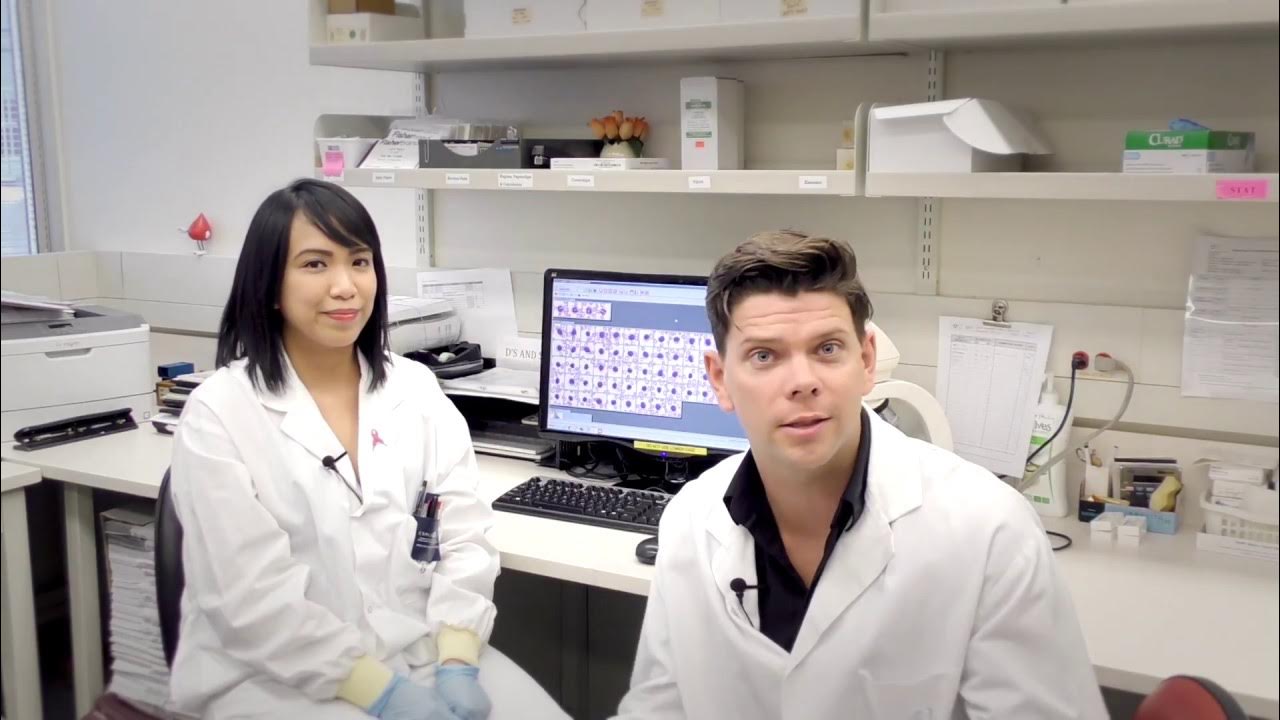
In The Lab - Complete Blood Count (CBC)

Fungsi Pemeriksaan Darah Lengkap I DIPA ( Dialog Pagi ), 23 Agustus 2022.

Exame de reticulócitos: para que serve e como é feito? Entenda de uma vez por todas!

Robin Murphy Repertory || Repertory|| Homoeopathy || Dr.Bhavesh Sir Classes

Soal Latihan Persiapan UKOM Mahasiswa TLM Analis D3 D4 (Bagian 17)

Alat Canggih di Poliklinik THT RSUD Al Ihsan
5.0 / 5 (0 votes)

