Psikometri | Jenis Skala Sikap (Semantic Deferential, Likert, dan Thurstone)
Summary
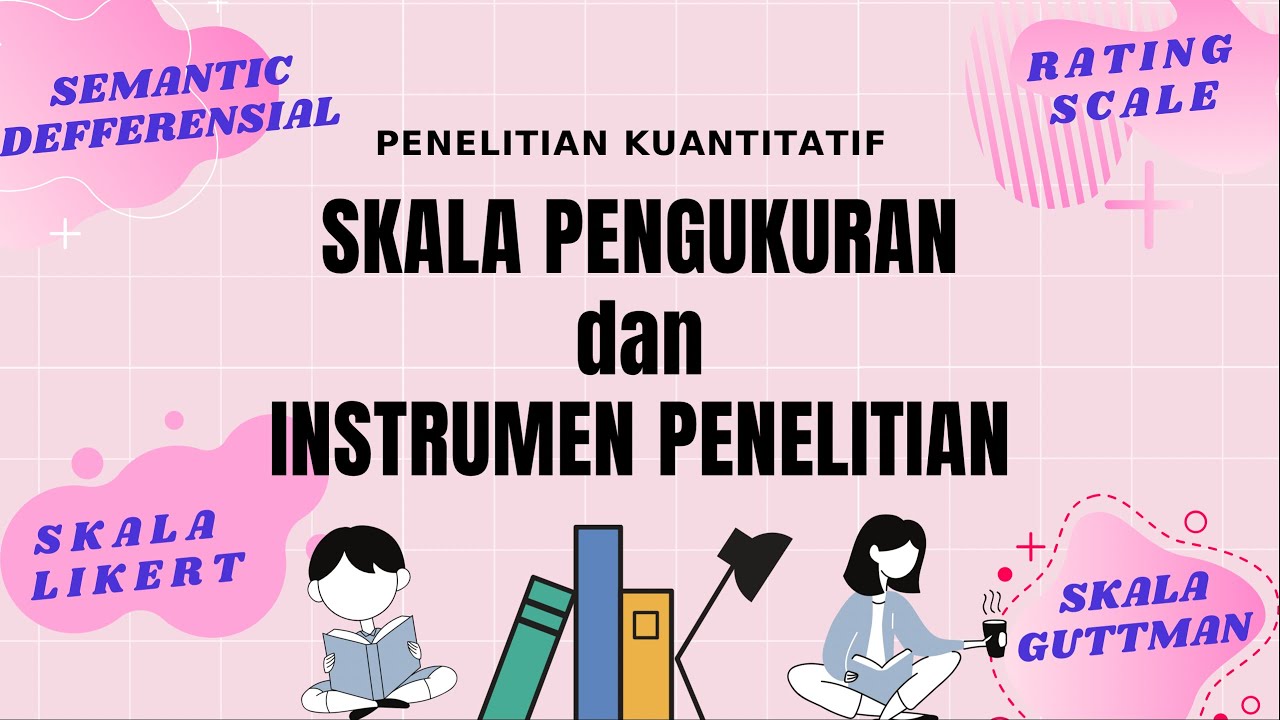
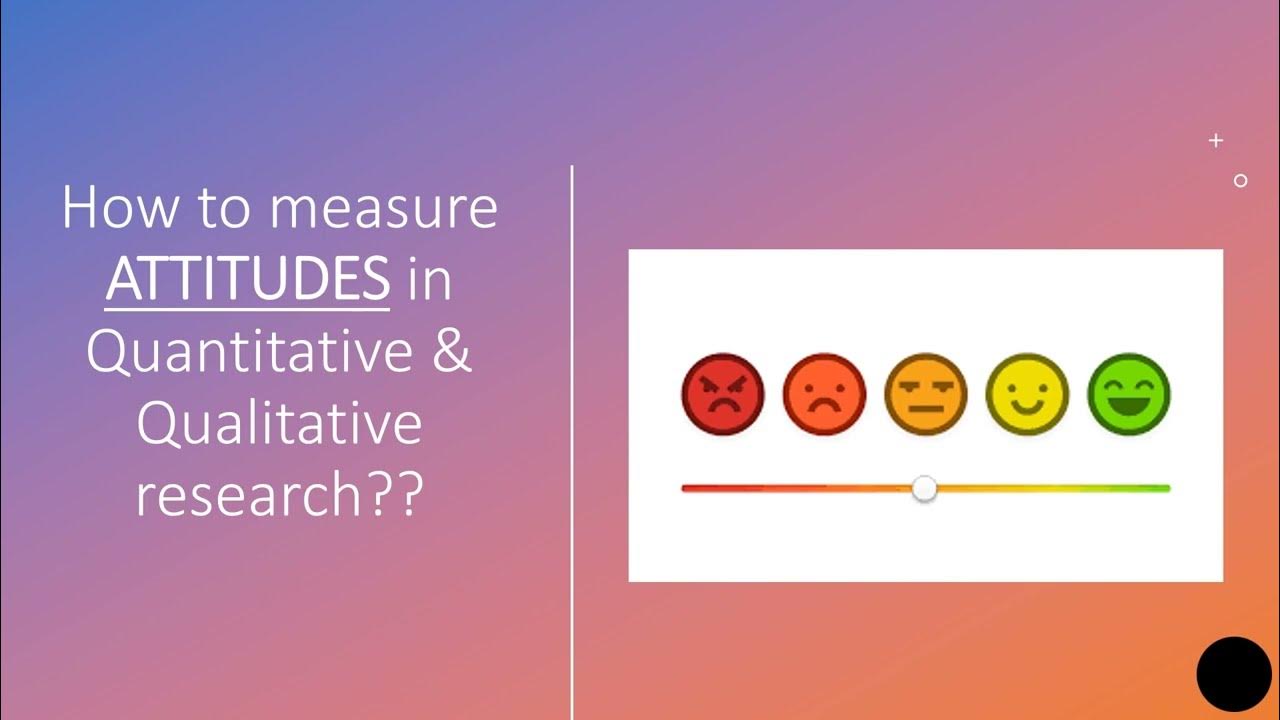
TLDRThis video, presented by Aan, explores attitude measurement using various scale methods, including semantic differential, Likert, and Thurstone scales. It explains that attitudes reflect individuals’ evaluations of objects or events, encompassing cognitive, affective, and behavioral components. The semantic differential scale uses bipolar adjective pairs to gauge perceptions, while Likert scales measure agreement with favorable or unfavorable statements, following 14 key criteria for item construction. The Thurstone scale assigns weighted values to statements based on expert ratings. Throughout, the video emphasizes selecting appropriate scale types to match research objectives, providing practical guidance for constructing reliable and effective attitude measurement tools.
Takeaways
- 😀 The video discusses various scales for measuring attitudes, including semantic differential, Likert, and interval scales.
- 😀 Attitudes are defined as individual evaluations of an object or event, involving cognitive, affective, and behavioral dimensions.
- 😀 The semantic differential scale was introduced by Charles Agus Ost and measures attitudes through bipolar adjective pairs (e.g., hard-soft, long-short).
- 😀 The semantic differential scale is structured with 7 points between each pair of opposing adjectives, allowing respondents to evaluate objects based on three dimensions: evaluative, potency, and activity.
- 😀 In the semantic differential scale, participants score items on a 7-point scale, and scores are either summed or averaged to determine overall responses.
- 😀 The Likert scale uses statements with responses ranging from 'strongly agree' to 'strongly disagree' and measures attitudes across cognitive, affective, and conative dimensions.
- 😀 Likert scale statements can be favorable or unfavorable, with responses usually scored on a 5-point scale, though variations like 4-point or 7-point scales also exist.
- 😀 When using the Likert scale, careful attention should be paid to crafting statements that are clear, concise, and relevant to the subject being measured.
- 😀 The interval scale, developed by Louis Thurstone, uses weighted statements with values ranging from 1 to 11, with 1 representing unfavorable and 11 representing favorable.
- 😀 The interval scale involves experts selecting statement weights based on statistical methods, and participants indicate their agreement with each statement to calculate a final score.
- 😀 The main takeaway is that the choice of attitude scale should align with the measurement tool's intended objectives.
Q & A
What is the main purpose of attitude scales in psychometrics?
-Attitude scales are used to measure an individual's evaluation of an object, event, or idea, capturing cognitive, affective, and behavioral aspects of their attitudes.
What are the three key dimensions that can be measured using attitude scales?
-The three key dimensions are cognitive (beliefs), affective (emotions), and behavioral (actions).
Who developed the semantic differential scale and what is its core idea?
-The semantic differential scale was developed by Charles Agus Ost, and its core idea is to use bipolar adjectives (e.g., 'good' vs. 'bad') placed at either end of a scale to measure attitudes.
What are the three dimensions of adjectives identified by Ost in the semantic differential scale?
-The three dimensions are evaluative (e.g., good vs. bad), potency (e.g., strong vs. weak), and activity (e.g., fast vs. slow).
How should bipolar adjective pairs be chosen for a semantic differential scale?
-Bipolar adjective pairs should be selected based on recommendations from experts in the field, ensuring they accurately reflect the attitude object being measured.
What is the typical range of items in a Likert scale and what do they measure?
-A Likert scale typically contains 15-25 items and measures attitudes across three dimensions: cognitive, affective, and conative (behavioral intentions).
What are some important considerations when creating Likert scale items?
-Considerations include avoiding factual or ambiguous statements, keeping language simple and clear, ensuring relevance to the attitude object, and using single ideas per statement.
How does the interval scale, or Thurstone scale, differ from the Likert scale?
-The interval scale assigns a numerical weight to each statement based on expert evaluation, while the Likert scale uses predefined agreement levels for each item without specific weightings.
What role do experts play in creating an interval scale?
-Experts assign numerical weights to each statement, which reflect the level of agreement or disagreement, and this helps define the scale's favorability.
Why is it important to select the right attitude scale method for a psychometric measurement?
-Selecting the right method ensures the scale aligns with the measurement goals and accurately captures the intended attitudes, providing reliable and valid results.
Outlines

Этот раздел доступен только подписчикам платных тарифов. Пожалуйста, перейдите на платный тариф для доступа.
Перейти на платный тарифMindmap

Этот раздел доступен только подписчикам платных тарифов. Пожалуйста, перейдите на платный тариф для доступа.
Перейти на платный тарифKeywords

Этот раздел доступен только подписчикам платных тарифов. Пожалуйста, перейдите на платный тариф для доступа.
Перейти на платный тарифHighlights

Этот раздел доступен только подписчикам платных тарифов. Пожалуйста, перейдите на платный тариф для доступа.
Перейти на платный тарифTranscripts

Этот раздел доступен только подписчикам платных тарифов. Пожалуйста, перейдите на платный тариф для доступа.
Перейти на платный тарифПосмотреть больше похожих видео




5.0 / 5 (0 votes)

