Effects of Urbanisation
Summary
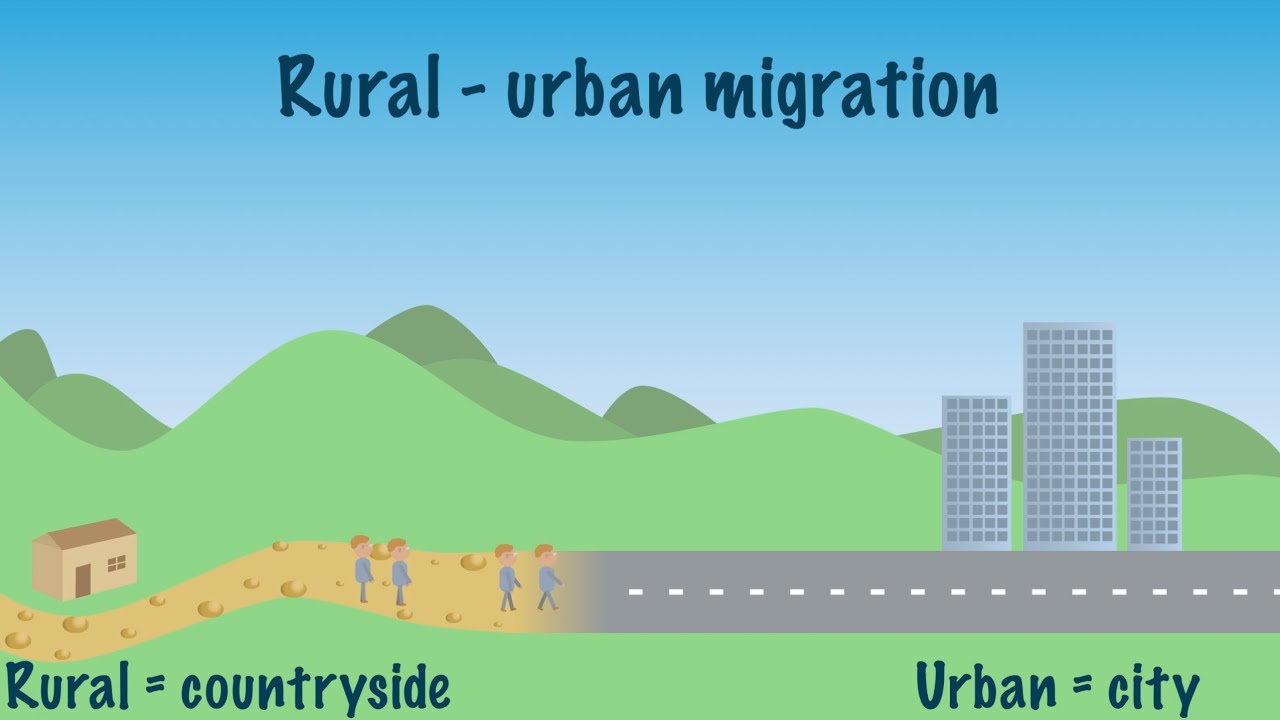
TLDRThe video explores urbanization, defined as the growing proportion of people living in cities compared to rural areas, using China and Australia as key examples. It highlights the rapid urban growth in China—from 26% in 1990 to a projected 70% by 2030—and its consequences, including air and water pollution, overcrowding, and rising crime rates. Australia’s urbanization, particularly in coastal cities like Sydney and surrounding areas such as Wollongong, shows similar pressures on housing, population density, and local ecosystems. The video concludes by suggesting community-driven solutions, such as raising awareness, supporting rural economies, and improving public transport, to mitigate the impacts of urbanization.
Takeaways
- 🌆 Urbanization is the increase in the proportion of people living in cities compared to rural areas, with a country considered urbanized when over 50% of its population lives in urban areas.
- 📊 China is a major example of urbanization, with urban population rising from 26% in 1990 to 56% in 2016, and projected to reach 70% by 2030.
- 💨 Air pollution is a significant effect of urbanization, caused by heavy traffic and emissions from factories and energy production.
- 💧 Water pollution occurs when factories discharge untreated waste, including chemicals and heavy metals, into rivers and oceans, harming marine life.
- 🚨 Urbanization can lead to higher crime rates due to increased unemployment, poverty, and the growth of slums.
- 🇦🇺 In Australia, 85% of the population lives in coastal areas, which are mostly urbanized, yet these areas make up only 1% of the land.
- 🏙️ Sydney has seen rapid population growth, adding 20 million people in 20 years, leading to overcrowding and unaffordable housing.
- 🏖️ Nearby areas like Wllingong experience spillover effects, including population growth, pollution, littering, and harm to marine life.
- 📣 Communities can combat urbanization by raising awareness, supporting local rural businesses, and improving public transport connections.
- 🤝 Individual actions and community involvement can make a meaningful difference in managing urbanization and its effects.
- 🧩 Urbanization acts like a domino effect, impacting environmental quality, social conditions, and infrastructure simultaneously.
Q & A
What is urbanization?
-Urbanization is the increase in the proportion of people living in cities compared to rural areas.
When is a country considered urbanized?
-A country is considered urbanized when 50% or more of its population lives in urban areas.
How has urbanization changed in China between 1990 and 2016?
-In 1990, 26% of China's population lived in urban areas, and by 2016, this increased to 56%.
What is the projected urbanization rate in China by 2030?
-It is predicted that 70% of China's population will live in urban areas by 2030.
What are some major environmental impacts of urbanization mentioned in the script?
-Urbanization affects air pollution due to vehicle traffic and industrial emissions, and water pollution from factories discharging untreated waste into water bodies.
Why is crime rate considered a significant impact of urbanization?
-High urbanization can lead to unemployment and poverty, making it difficult for people to afford housing, which contributes to slum growth and increased crime rates.
What percentage of Australia's population lives in coastal urbanized areas?
-About 85% of Australia's population lives in coastal areas, many of which are already urbanized.
What challenges has Sydney faced due to urbanization?
-Sydney has seen a population increase of 20 million over 20 years, leading to overcrowding and unaffordable housing, prompting people to move to nearby areas like Wollongong.
How does urbanization affect Wollongong's beaches and marine life?
-Population growth on beaches increases pollution and littering, which negatively impacts sea life over time.
What are some suggested ways to reduce urbanization impacts in St. Mary's community?
-Suggestions include raising awareness through conversations, supporting rural societies via local trade, improving public transport, and encouraging community participation.
Why is public transport important in managing urbanization?
-Improved public transport from rural to urban areas can reduce the strain on cities, help manage population distribution, and lower traffic-related pollution.
How can individual community members make a difference regarding urbanization?
-Community members can contribute by being conscious of urbanization impacts, supporting local initiatives, and participating in awareness campaigns and sustainable practices.
Outlines

Этот раздел доступен только подписчикам платных тарифов. Пожалуйста, перейдите на платный тариф для доступа.
Перейти на платный тарифMindmap

Этот раздел доступен только подписчикам платных тарифов. Пожалуйста, перейдите на платный тариф для доступа.
Перейти на платный тарифKeywords

Этот раздел доступен только подписчикам платных тарифов. Пожалуйста, перейдите на платный тариф для доступа.
Перейти на платный тарифHighlights

Этот раздел доступен только подписчикам платных тарифов. Пожалуйста, перейдите на платный тариф для доступа.
Перейти на платный тарифTranscripts

Этот раздел доступен только подписчикам платных тарифов. Пожалуйста, перейдите на платный тариф для доступа.
Перейти на платный тарифПосмотреть больше похожих видео



5.0 / 5 (0 votes)

