Perpindahan Kalor | Fisika
Summary
TLDRThis script explains the concept of temperature by exploring molecular motion and heat transfer. It begins with everyday examples, such as feeling cold in a mall or hot from holding a heated spoon. The key idea is that temperature is defined by the kinetic energy of molecules in motion, which includes side-to-side, rotational, and vibrational movements. As molecules move, they interact with each other and with external objects, transferring heat. The video emphasizes how temperature is the average kinetic energy of molecules and how heat transfer occurs between objects.
Takeaways
- 😀 Temperature is related to how we perceive heat or cold, like feeling cold in an empty mall or hot when touching a heated spoon.
- 😀 The concept of temperature is linked to the kinetic energy of molecules in an object.
- 😀 Molecules in an object can move sideways, spin, or vibrate, contributing to their overall kinetic energy.
- 😀 Kinetic energy refers to the energy possessed by moving objects or molecules.
- 😀 The average kinetic energy of molecules defines the temperature of an object or substance.
- 😀 When heating an object, its molecules move faster, leading to a higher kinetic energy and thus a higher temperature.
- 😀 Heat transfer occurs when there is molecular interaction between two objects, such as a heated spoon and our hand.
- 😀 The transfer of energy between molecules is called heat transfer or thermal conduction.
- 😀 The sensation of heat on our skin occurs due to molecular interactions between the heated spoon and our hand.
- 😀 The concept of temperature can be understood by studying the molecular behavior of objects and their interactions with each other.
Q & A
What is temperature in terms of molecular behavior?
-Temperature is defined as the average kinetic energy of the molecules in an object, which reflects how fast the molecules are moving, rotating, and vibrating.
Why do we feel cold in an empty mall?
-We feel cold because the air and surrounding objects have molecules with lower average kinetic energy, which we perceive as a lower temperature.
Why does a heated spoon feel hot to our hands?
-A heated spoon has molecules moving with higher kinetic energy. When it interacts with our hand, energy transfers from the spoon to our skin, making us feel hot.
What are the three types of molecular motion described in the transcript?
-The three types of molecular motion are translational (moving sideways), rotational (spinning), and vibrational (oscillating).
How is kinetic energy related to temperature?
-The kinetic energy of a molecule represents the energy it has due to motion. The higher the average kinetic energy of all molecules in a substance, the higher its temperature.
What happens at the molecular level when two substances interact, like a spoon and a hand?
-Molecules from each substance collide and rub against each other, transferring energy in the process. This transfer of energy is felt as heat.
What is heat transfer according to the transcript?
-Heat transfer, or thermal transfer, occurs when energy is exchanged between molecules of different substances through collisions and interactions.
Can temperature be perceived differently depending on context?
-Yes, temperature perception depends on interaction with our body and surrounding objects. For example, a mall may feel cold, and a heated spoon may feel hot, even if the numerical temperature isn't extreme.
Why do molecules in a confined space interact more frequently?
-In a confined space, molecules are closer together, which increases collisions and friction among them, affecting how energy is distributed and perceived as temperature.
How can understanding molecular motion help explain everyday experiences of hot and cold?
-By understanding that temperature is tied to molecular motion, we can explain why we feel warmth from a heated object or coolness from a low-energy environment, connecting molecular energy to real sensations.
Outlines

Этот раздел доступен только подписчикам платных тарифов. Пожалуйста, перейдите на платный тариф для доступа.
Перейти на платный тарифMindmap

Этот раздел доступен только подписчикам платных тарифов. Пожалуйста, перейдите на платный тариф для доступа.
Перейти на платный тарифKeywords

Этот раздел доступен только подписчикам платных тарифов. Пожалуйста, перейдите на платный тариф для доступа.
Перейти на платный тарифHighlights

Этот раздел доступен только подписчикам платных тарифов. Пожалуйста, перейдите на платный тариф для доступа.
Перейти на платный тарифTranscripts

Этот раздел доступен только подписчикам платных тарифов. Пожалуйста, перейдите на платный тариф для доступа.
Перейти на платный тарифПосмотреть больше похожих видео

Difference Between Temperature and Heat
Фізика 8. Урок - Тепловий стан. Температура та її вимірювання. Презентація для 8 класу

O que é Temperatura, Calor e escala Kelvin
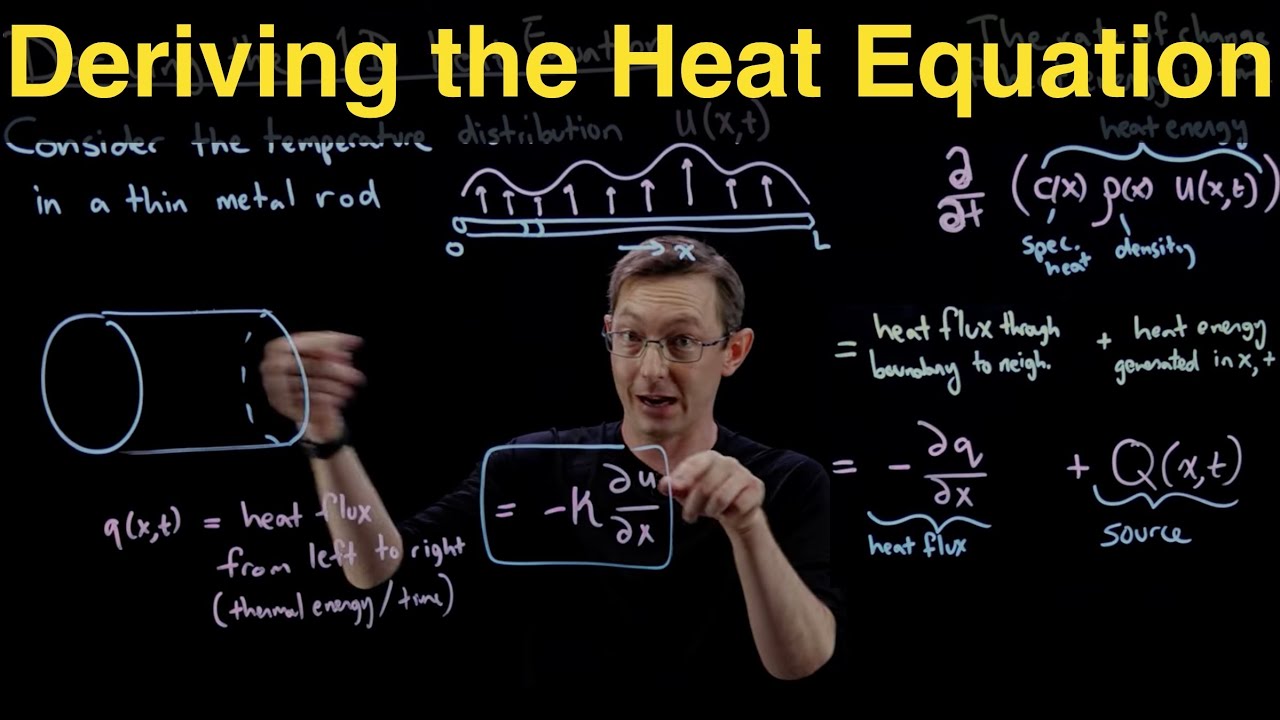
Deriving the Heat Equation: A Parabolic Partial Differential Equation for Heat Energy Conservation
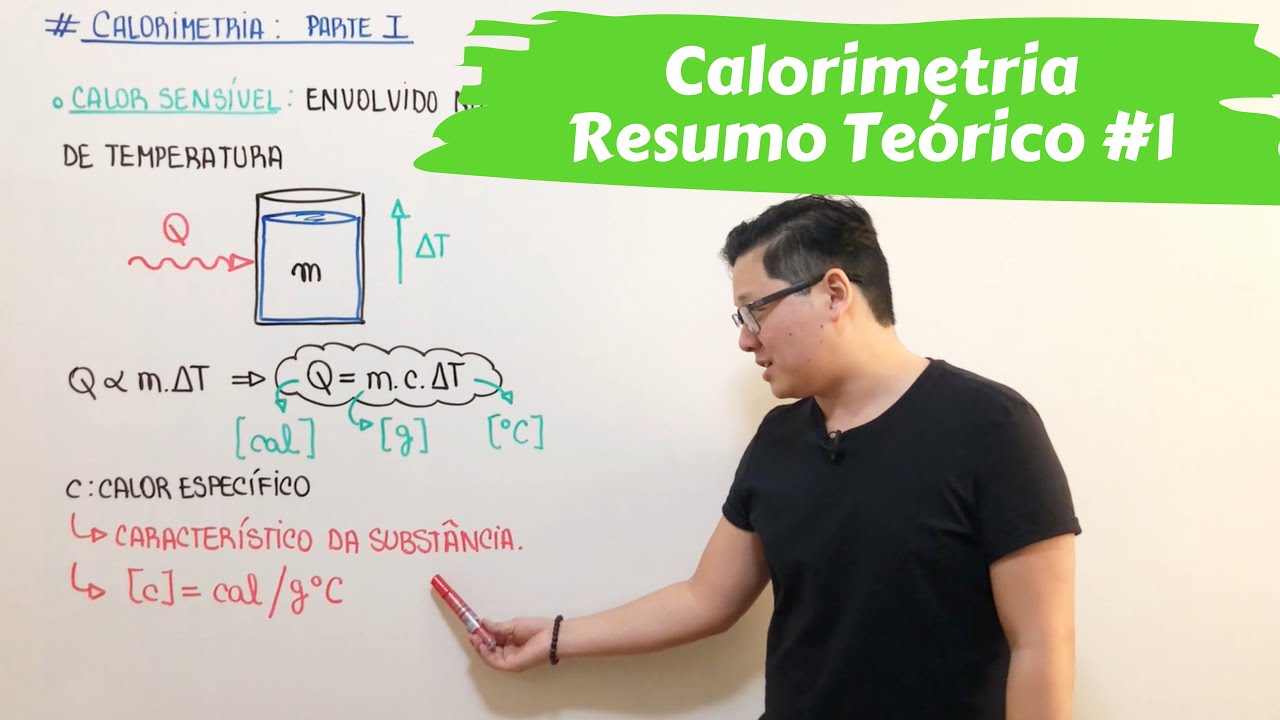
Termologia | Calorimetria - Parte I (RESUMÃO)
DIFERENÇA ENTRE CALOR E TEMPERATURA | Prof. Vinicius Pessanha
5.0 / 5 (0 votes)

