HACCP Pada ruang persiapan dan pengolahan makanan MBG SPPG
Summary
TLDRThe video explains proper food preparation and cooking area standards in a large-scale kitchen facility (SPPG) following hygiene and safety regulations. It highlights key practices such as separating sinks for vegetables, fruits, meat, and equipment to prevent cross-contamination, maintaining room temperature monitoring, and using plastic strip curtains and UV insect traps to protect clean areas from dust and pests. The kitchen should use easy-to-clean materials like ceramic or stainless steel walls, proper ventilation systems, and organized storage for knives and cutting boards by color and function. Wooden utensils are discouraged due to mold risk. Cooking must be done on stainless tables—not on the floor—to maintain sanitation, while ingredients and partially prepared spices can be safely stored in sealed containers within chillers.
Takeaways
- 😀 Food preparation areas must separate washing stations for vegetables, fruits, and meat to prevent cross-contamination.
- 😀 Standard Operating Procedures (SOPs) are essential for washing and handling ingredients correctly.
- 😀 Thermometers should be installed in preparation areas to monitor temperature for food safety and worker comfort.
- 😀 Plastic curtains (kertin) should be installed to protect rooms from dust and insects while allowing light and movement.
- 😀 UV protectors should be strategically placed near entrances to eliminate insects but not near bright lights.
- 😀 Cooking and preparation surfaces should use materials like stainless steel or ceramic walls that are easy to clean.
- 😀 Knives and cutting boards must be separated by type of food and identified by color or label to prevent contamination.
- 😀 Wooden utensils are discouraged as they absorb water and oil, increasing the risk of mold, especially during infrequent use.
- 😀 Cooking should be done on elevated stainless steel tables, not on the floor, to reduce contamination and safety hazards.
- 😀 Chillers and proper storage containers are necessary for partially prepared ingredients to maintain hygiene and prevent spoilage.
- 😀 Food safety and hygiene practices should comply with SK Ketua PGN No. 52.2 Year 2025 to ensure standardized production.
- 😀 Ventilation with blowers or exhaust systems is important to maintain air circulation and comfort in cooking areas.
Q & A
Why is it important to have separate washing areas for different types of food items?
-It is crucial to have separate washing areas for different food types, such as vegetables, fruits, meat, and utensils, to prevent cross-contamination. Each type of food, especially raw meat, poses a different risk, and using dedicated areas helps to maintain hygiene and food safety.
What role does the temperature play in food safety in the preparation room?
-Temperature is vital for food safety. The room should be equipped with a thermometer to monitor the environment, ensuring it is neither too hot (which can cause food spoilage) nor too cold. A comfortable working temperature is also necessary for staff to work efficiently.
What is the correct way to install plastic curtains in a food preparation area?
-Plastic curtains should be installed so that they overlap by at least 1 millimeter and extend all the way to the floor. This prevents contaminants such as dust and insects from entering, while still allowing visibility and movement in the workspace.
Why is the use of UV light important in the preparation area?
-UV light is used to kill insects and other pests that may contaminate the food preparation area. Proper placement of UV lights is important because it should be positioned away from bright light sources to ensure it effectively kills pests without interference.
How should tools like knives and cutting boards be stored in a commercial kitchen?
-Knives and cutting boards must be stored separately to avoid cross-contamination. The use of color-coded systems and magnetic storage can help ensure that each tool is used for its intended purpose (e.g., separate knives for vegetables, meat, and fish).
What is the issue with using wooden tools in a food preparation area?
-Wooden tools absorb water and oil, which can promote the growth of mold over time. These tools are also harder to clean thoroughly and may harbor bacteria or fungi, making them unsafe for food preparation in a commercial kitchen.
Why is it necessary to have an exhaust system in the kitchen?
-An exhaust system is necessary to remove smoke, fumes, and heat produced during cooking. It ensures that the air quality remains good and maintains a comfortable temperature for the kitchen staff. Some kitchens even use a blower to bring in fresh air to improve ventilation.
How does the design of cooking areas contribute to food safety?
-Cooking areas should be raised above the floor to avoid contamination from drains or pests. Cooking at floor level can lead to accidental spills, contamination from nearby waste areas, and exposure to insects, which increases food safety risks.
What is the best way to store semi-processed ingredients in the preparation room?
-Semi-processed ingredients, like chopped vegetables or spices, should be stored in airtight, transparent containers. These containers help maintain the freshness of ingredients and protect them from contaminants, ensuring they stay safe until used.
Why is it recommended to use smaller stoves for cooking certain dishes like fried eggs?
-Smaller stoves are ideal for cooking dishes like fried eggs because they allow for more precise temperature control. Larger stoves with high flame outputs can make it difficult to cook certain foods properly, especially if they require a low and steady heat.
Outlines

Этот раздел доступен только подписчикам платных тарифов. Пожалуйста, перейдите на платный тариф для доступа.
Перейти на платный тарифMindmap

Этот раздел доступен только подписчикам платных тарифов. Пожалуйста, перейдите на платный тариф для доступа.
Перейти на платный тарифKeywords

Этот раздел доступен только подписчикам платных тарифов. Пожалуйста, перейдите на платный тариф для доступа.
Перейти на платный тарифHighlights

Этот раздел доступен только подписчикам платных тарифов. Пожалуйста, перейдите на платный тариф для доступа.
Перейти на платный тарифTranscripts

Этот раздел доступен только подписчикам платных тарифов. Пожалуйста, перейдите на платный тариф для доступа.
Перейти на платный тарифПосмотреть больше похожих видео
TLE COOKERY 10 Quarter 2, Module 4, Lesson 3 Safety and Hygienic Practices in the Laboratory Kitchen
Prepare Starch and Cereal Dishes- Week 6 (part 2)
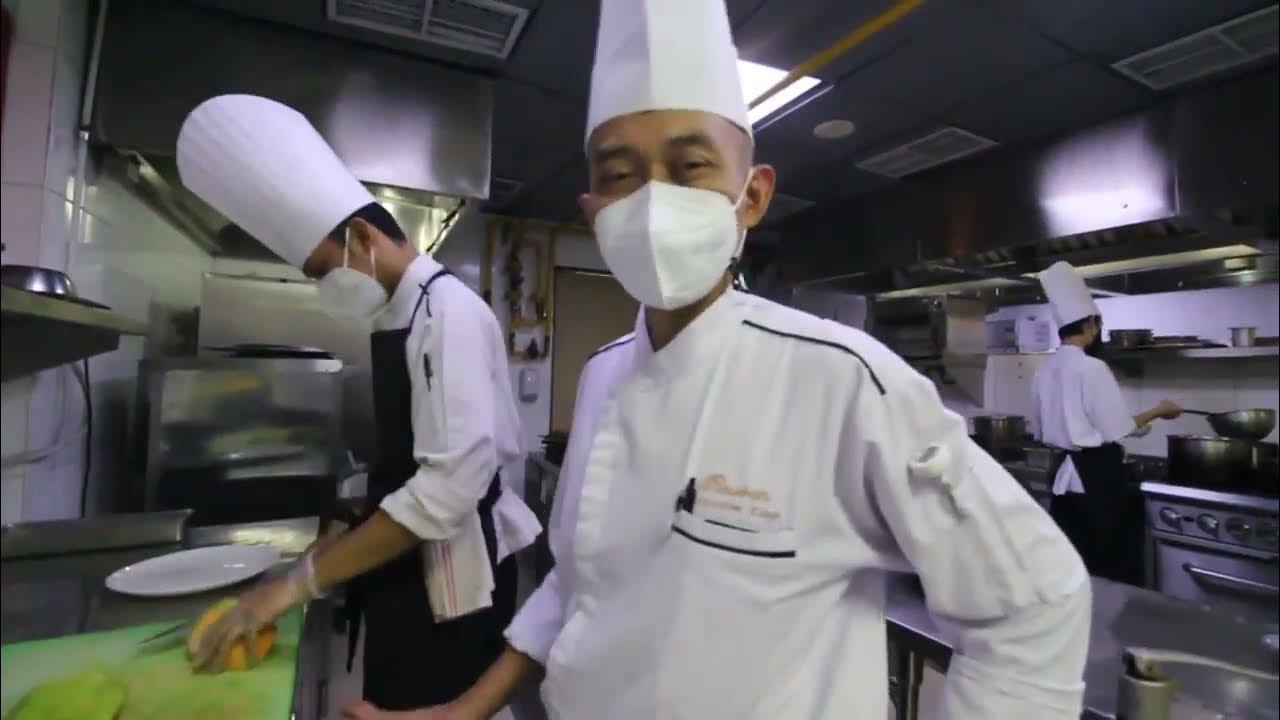
Kitchen Hygiene And Sanitation Daily Operation

Food Handling Safety Training from SafetyVideos.com

Dicas práticas para evitar intoxicação alimentar
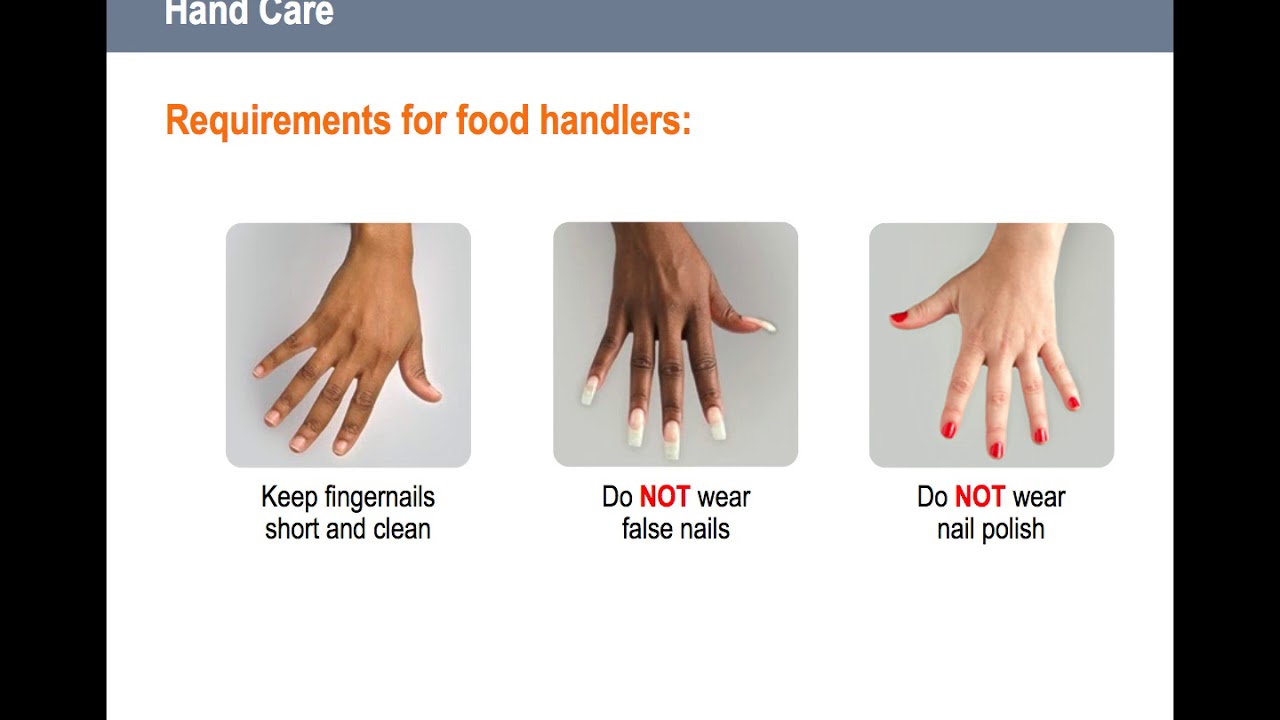
ServSafe Chapter 4
5.0 / 5 (0 votes)

