Gastro Esophageal Reflux Disease (GERD)- Definisi, Patofisiologi, Diagnosis, Tatalaksana
Summary
TLDRThis video provides a detailed explanation of GERD (Gastroesophageal Reflux Disease), a condition where stomach acid flows back into the esophagus, causing irritation and potential complications. It covers the causes, including increased acid production, delayed stomach emptying, and elevated abdominal pressure, as well as the body's defenses like the lower esophageal sphincter, mucus secretion, peristaltic movement, and saliva. The video also explains the differences in tissue structure between the stomach and esophagus, the development of Barrett’s esophagus, common symptoms, and a clear diagnostic approach using questionnaires, alarm symptom checks, and PPI trials. Effective management primarily involves PPI therapy over several weeks.
Takeaways
- 😀 GERD (Gastroesophageal Reflux Disease) occurs when stomach acid flows back into the esophagus, causing potential damage and discomfort.
- 😀 GERD is caused by an imbalance between offensive factors (like excess stomach acid) and defensive factors (like the lower esophageal sphincter and mucus protection).
- 😀 The stomach produces acid through three main cells: chief cells, parietal cells, and G cells, which are responsible for acid secretion.
- 😀 The lower esophageal sphincter (LES) plays a critical role in preventing GERD by contracting and relaxing to control the flow of food and acid between the stomach and esophagus.
- 😀 When the LES doesn't function properly, acid can flow back into the esophagus, leading to GERD symptoms like heartburn.
- 😀 The esophagus is made up of squamous epithelium cells, which are not resistant to stomach acid, making it prone to damage when exposed to reflux.
- 😀 Repeated acid reflux can cause the esophagus to change its cell structure, leading to Barrett's esophagus, a condition that increases the risk of cancer.
- 😀 GERD symptoms can be divided into esophageal symptoms (like heartburn and regurgitation) and extra-esophageal symptoms (like chronic cough or hoarseness).
- 😀 A key diagnostic tool for GERD is the GERD questionnaire (GERD-Q), where a score above 8 suggests the likelihood of GERD.
- 😀 If alarm symptoms (like weight loss, anemia, or bleeding) are present, further diagnostic procedures are necessary, otherwise, treatment with Proton Pump Inhibitors (PPI) for 1-2 weeks is recommended for diagnosis.
- 😀 If the PPI treatment relieves symptoms, GERD is diagnosed, and long-term treatment with PPIs may be initiated for around 8 weeks.
Q & A
What is GERD (Gastroesophageal Reflux Disease)?
-GERD stands for Gastroesophageal Reflux Disease, a condition where acid from the stomach flows back (reflux) into the esophagus, leading to discomfort and potential damage.
What are the key factors causing GERD?
-The primary causes of GERD are an imbalance between offensive factors (such as increased stomach acid, delayed gastric emptying, and increased intra-abdominal pressure) and defensive factors (like the lower esophageal sphincter, mucus production in the stomach, and peristaltic movement in the esophagus).
How does stomach acid contribute to GERD?
-Stomach acid, which is produced by cells like chief cells, parietal cells, and G cells, plays a role in digestion. However, if this acid flows back into the esophagus (due to various factors like delayed gastric emptying or increased intra-abdominal pressure), it can lead to GERD.
What role does the lower esophageal sphincter (LES) play in preventing GERD?
-The LES acts as a barrier between the stomach and esophagus. It normally contracts to prevent the backflow of stomach contents. If it relaxes improperly or weakens, it allows stomach acid to reflux into the esophagus, causing GERD.
Why doesn't stomach acid damage the stomach lining itself?
-The stomach lining is protected by mucus produced by special cells called foveolar cells. This mucus contains bicarbonate and glycoproteins, which neutralize acid and protect the stomach lining from self-digestion.
How does GERD affect the esophagus over time?
-Repeated exposure to stomach acid can damage the esophagus, causing the epithelium (cells lining the esophagus) to become necrotic and replaced by scar tissue. This can lead to a condition called Barrett's esophagus, where the esophagus cells start resembling those in the stomach, which increases the risk of cancer.
What are the typical symptoms of GERD?
-GERD symptoms can be classified as esophageal (e.g., chest burning, acid regurgitation) or extra-esophageal (e.g., chronic cough, hoarseness). Chest burning often mimics heart-related issues, so it's important to differentiate between the two.
What is regurgitation in the context of GERD?
-Regurgitation refers to the backflow of stomach contents, including acid, into the mouth, leading to a sour or acidic taste. This is one of the key symptoms of GERD.
How is GERD diagnosed?
-GERD can be diagnosed using a symptom checklist called GERD-Q, where scores above 8 suggest the likelihood of GERD. If alarm symptoms (e.g., weight loss, anemia, difficulty swallowing, or bleeding) are present, further investigation is needed. A common test is the PPI (proton pump inhibitor) trial, where patients are given medication to see if symptoms improve.
What happens if GERD is left untreated?
-If left untreated, GERD can lead to complications like esophageal damage, strictures, Barrett's esophagus, and even esophageal cancer. It’s important to manage the condition early through lifestyle changes and medications.
Outlines

Этот раздел доступен только подписчикам платных тарифов. Пожалуйста, перейдите на платный тариф для доступа.
Перейти на платный тарифMindmap

Этот раздел доступен только подписчикам платных тарифов. Пожалуйста, перейдите на платный тариф для доступа.
Перейти на платный тарифKeywords

Этот раздел доступен только подписчикам платных тарифов. Пожалуйста, перейдите на платный тариф для доступа.
Перейти на платный тарифHighlights

Этот раздел доступен только подписчикам платных тарифов. Пожалуйста, перейдите на платный тариф для доступа.
Перейти на платный тарифTranscripts

Этот раздел доступен только подписчикам платных тарифов. Пожалуйста, перейдите на платный тариф для доступа.
Перейти на платный тариф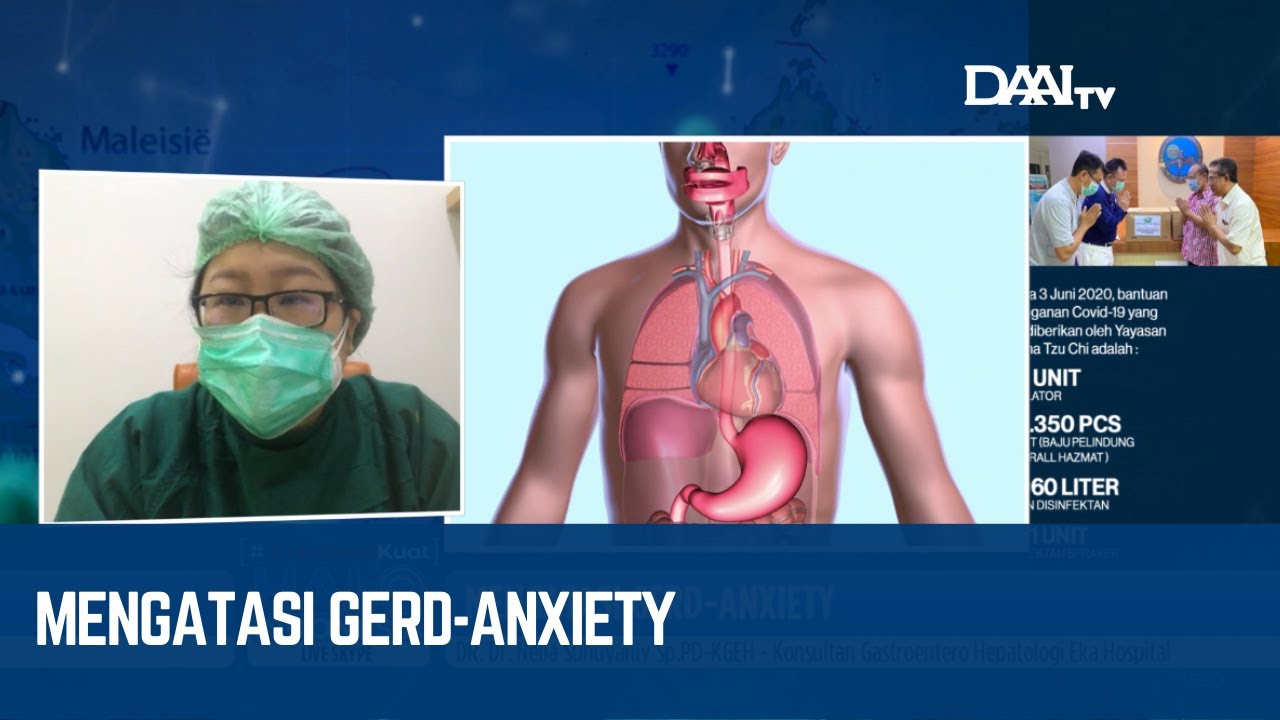


5.0 / 5 (0 votes)

