Mitral valve regurgitation and mitral valve prolapse | NCLEX-RN | Khan Academy
Summary
TLDRThis video script explains the concept of mitral regurgitation, where the mitral valve between the left atrium and ventricle fails to close properly, causing blood to flow backward into the lungs. The script covers causes such as left ventricular dilation, rheumatic fever, endocarditis, and valve calcification, with a focus on chronic vs. acute regurgitation. It also explores mitral valve prolapse, its causes (including connective tissue disorders), and its symptoms like chest pain and palpitations. The risks include infective endocarditis and arrhythmias. Diagnostic signs include murmurs and a mid-systolic click.
Takeaways
- 😀 Mitral regurgitation occurs when the mitral valve fails to close properly, causing blood to flow back into the left atrium.
- 😀 The backflow of blood in mitral regurgitation can lead to pulmonary congestion, shortness of breath, and fatigue.
- 😀 Key causes of mitral regurgitation include left ventricular dilatation, dilated cardiomyopathy, rheumatic fever, endocarditis, and papillary muscle dysfunction.
- 😀 Left ventricular dilation can occur after a myocardial infarction or due to dilated cardiomyopathy, leading to valve dysfunction.
- 😀 Rheumatic fever is an early cause of mitral regurgitation, while mitral stenosis occurs as a later lesion in the disease.
- 😀 A ruptured papillary muscle or chordae tendineae can lead to ineffective valve closure, worsening mitral regurgitation.
- 😀 Echocardiograms can show the blue flash of blood flowing back into the left atrium, indicating mitral regurgitation.
- 😀 Acute mitral regurgitation can cause flash pulmonary edema and congestive heart failure, requiring immediate medical attention.
- 😀 Chronic mitral regurgitation often develops gradually, with symptoms such as fatigue and shortness of breath, but without sudden onset of edema.
- 😀 Mitral valve prolapse (MVP) involves the valve bulging into the left atrium during systole and may cause a mid-systolic click, progressing to mitral regurgitation.
- 😀 Connective tissue disorders, such as Marfan syndrome and Ehlers-Danlos, can be underlying causes of mitral valve prolapse.
- 😀 Mitral valve prolapse can increase the risk of infective endocarditis, arrhythmias, and potentially progress to mitral regurgitation.
Q & A
What is mitral regurgitation (MR)?
-Mitral regurgitation is a condition where the mitral valve, which separates the left atrium and left ventricle, fails to close properly. As a result, blood flows backward from the left ventricle into the left atrium, and potentially into the pulmonary system, leading to congestion in the lungs.
What happens to the blood flow in mitral regurgitation?
-In mitral regurgitation, blood normally pumped from the left ventricle to the aorta flows backward into the left atrium. This can cause blood to back up into the pulmonary veins, leading to pulmonary congestion or edema.
What are the major causes of mitral regurgitation?
-The major causes of mitral regurgitation include left ventricular dilation (due to heart conditions like myocardial infarction or dilated cardiomyopathy), rheumatic heart disease, endocarditis, papillary muscle or chordae tendineae dysfunction, and calcification around the mitral valve.
How does left ventricular dilation contribute to mitral regurgitation?
-Left ventricular dilation causes the mitral valve to stretch, which prevents the valve from closing properly. This leads to blood flowing backward into the left atrium, resulting in mitral regurgitation.
What is the difference between acute and chronic mitral regurgitation?
-Acute mitral regurgitation develops rapidly and can lead to flash pulmonary edema or congestive heart failure, often due to a papillary muscle rupture. Chronic mitral regurgitation develops over time, leading to symptoms like fatigue, shortness of breath, and pulmonary congestion, but the body has time to adjust to the pressure changes.
What auscultation finding is characteristic of mitral regurgitation?
-A holosystolic murmur is typically heard during auscultation at the apex of the heart, located in the 5th intercostal space, midclavicular line.
What is mitral valve prolapse (MVP), and how is it related to mitral regurgitation?
-Mitral valve prolapse occurs when the mitral valve bulges into the left atrium. While MVP itself usually doesn't cause a murmur, it can lead to mitral regurgitation if the valve becomes dysfunctional, resulting in a murmur.
What are the signs and symptoms of mitral valve prolapse?
-Many individuals with mitral valve prolapse are asymptomatic. However, some may experience atypical chest pain, palpitations, shortness of breath, dizziness, or syncope (fainting).
What is the classic auscultation finding for mitral valve prolapse?
-The classic auscultation finding for mitral valve prolapse is a mid-systolic click. If MVP progresses to mitral regurgitation, a murmur may follow this click.
What are some potential complications of mitral valve prolapse?
-Complications of mitral valve prolapse can include an increased risk for infective endocarditis, arrhythmias, and progression to mitral regurgitation.
Outlines

Этот раздел доступен только подписчикам платных тарифов. Пожалуйста, перейдите на платный тариф для доступа.
Перейти на платный тарифMindmap

Этот раздел доступен только подписчикам платных тарифов. Пожалуйста, перейдите на платный тариф для доступа.
Перейти на платный тарифKeywords

Этот раздел доступен только подписчикам платных тарифов. Пожалуйста, перейдите на платный тариф для доступа.
Перейти на платный тарифHighlights

Этот раздел доступен только подписчикам платных тарифов. Пожалуйста, перейдите на платный тариф для доступа.
Перейти на платный тарифTranscripts

Этот раздел доступен только подписчикам платных тарифов. Пожалуйста, перейдите на платный тариф для доступа.
Перейти на платный тарифПосмотреть больше похожих видео

Blood Flow Through the Heart | Heart Anatomy and Physiology NCLEX

Blood Flow Through the Heart [Made Easy] - Cardiac Circulation Animation

Praktikum Anfis sistem Kardiovaskuler

Anatomy of the Heart: Structures and Blood Flow [Cardiology Made Easy]

Heart Sounds and Heart Murmurs, Animation.
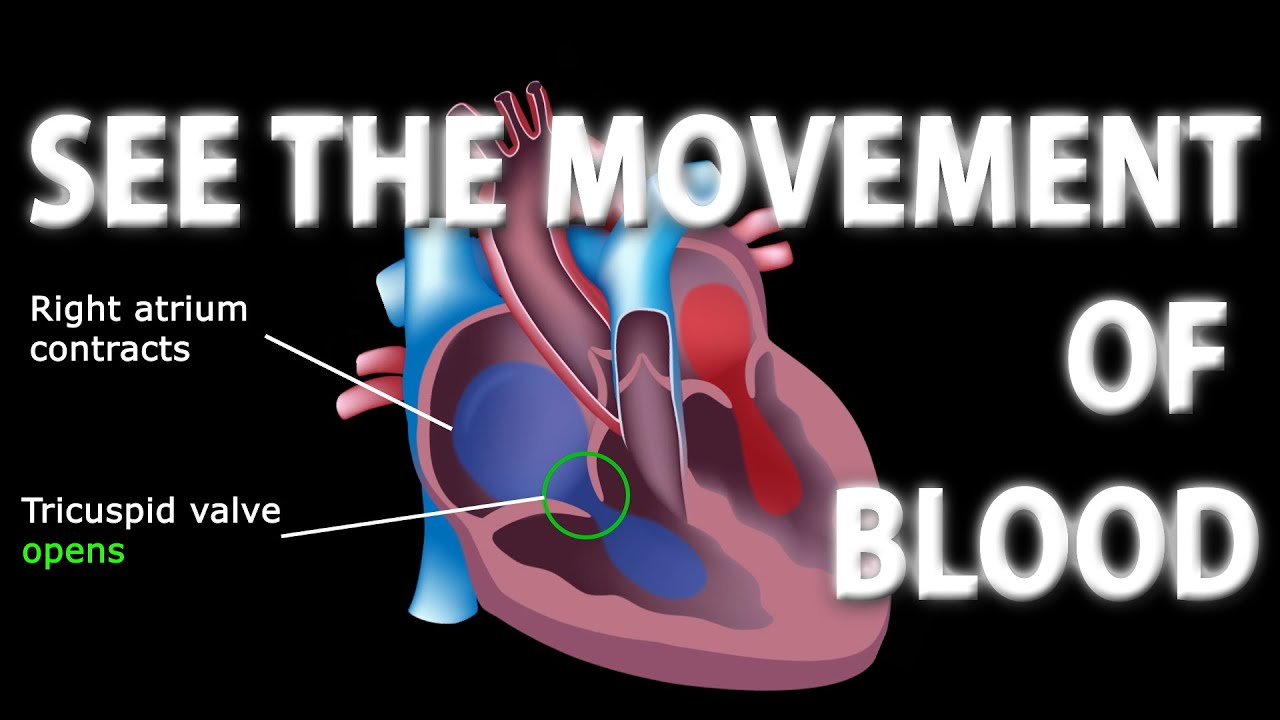
The Pathway of Blood Flow Through the Heart, Animation.
5.0 / 5 (0 votes)

