Organisasi Tingkat Kehidupan | Ruang Lingkup Biologi Kelas X SMA
Summary
TLDRThis video explores the levels of biological organization, from the smallest molecular structures to the largest biosphere. It covers molecules, cells, tissues, organs, and organ systems, progressing through populations, communities, and ecosystems. The video also touches on biomes and concludes with the biosphere as the broadest level of biological organization. Through this journey, viewers gain insight into how life is structured at varying levels, from microscopic elements like DNA to entire ecological regions, emphasizing the interconnectivity of living systems across all scales.
Takeaways
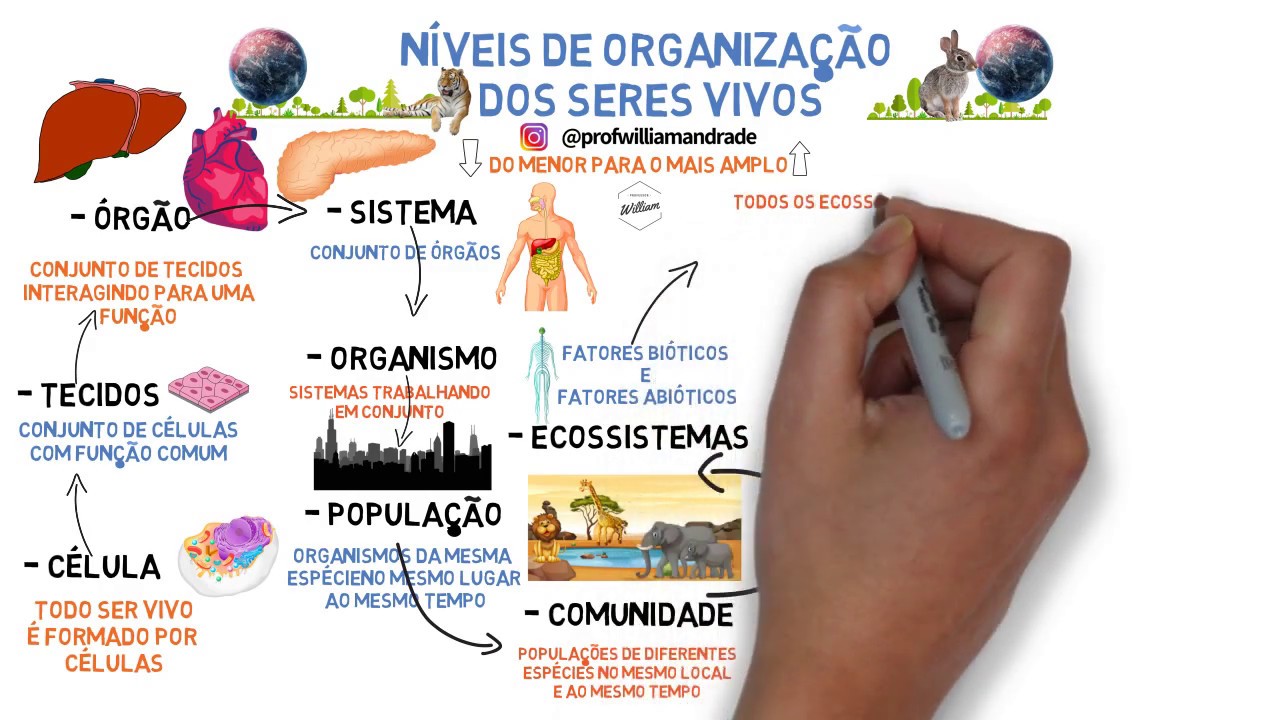
- 😀 The study of biology focuses on all living organisms and their interactions across various levels of organization, from the smallest to the largest.
- 😀 The first level of biological organization is molecules, such as water molecules, proteins, and DNA, which are composed of atoms.
- 😀 Molecules combine to form organelles, which work together within cells, the second level of biological organization.
- 😀 A cell is the smallest unit of life, with examples including bacteria, blood cells, and bone cells.
- 😀 The next level of organization is tissues, found only in multicellular organisms. Tissues are groups of cells with similar structure and function.
- 😀 An organ consists of different types of tissues working together to perform specific functions. For example, the brain consists of nerve and connective tissues.
- 😀 Systems of organs work together to perform complex tasks, such as the digestive system, which includes the mouth, esophagus, stomach, intestines, liver, and pancreas.
- 😀 Organisms, either unicellular or multicellular, are the next level of organization. Unicellular organisms include bacteria, while multicellular organisms include humans, animals, and plants.
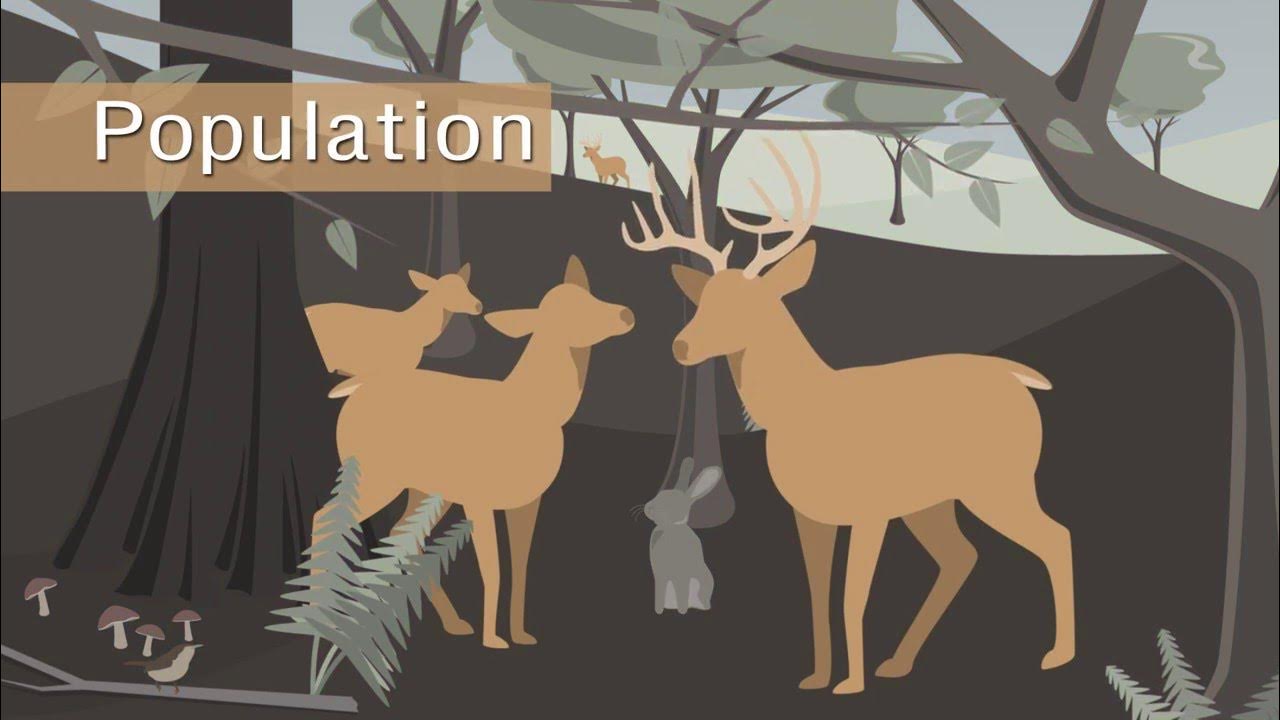
- 😀 Populations refer to groups of individuals of the same species living in a specific area, such as a population of ants or bees.
- 😀 Communities are composed of different populations interacting in a specific area, like a garden with populations of grass, bushes, and trees.
- 😀 Ecosystems are functional units composed of both biotic (living) and abiotic (non-living) components that interact and affect each other. Examples include natural ecosystems like rivers and oceans, and artificial ecosystems like reservoirs and rice fields.
- 😀 Biomes are large, global ecological areas that consist of different ecosystems. Examples include tundra, taiga, grasslands, tropical rainforests, and deserts.
- 😀 The biosphere is the highest level of biological organization, encompassing all life forms on Earth, including the land, water, and atmosphere.
Q & A
What is the basic unit of life in biological organization?
-The basic unit of life is the cell. It can be either unicellular, like bacteria, or part of a multicellular organism, like human cells.
What are molecules made of in biological systems?
-Molecules are made of atoms. Examples of molecules include water, proteins, and DNA, which are essential for life processes.
What is the difference between unicellular and multicellular organisms?
-Unicellular organisms consist of a single cell (like bacteria or protozoa), while multicellular organisms, like humans and plants, are made up of many cells working together.
What is a tissue in biological terms?
-A tissue is a group of similar cells that perform a specific function. For example, epithelial tissue protects underlying tissues, and xylem tissue transports water in plants.
How are organs different from tissues?
-Organs are composed of multiple tissues working together to perform a specific function, like the brain, which consists of nerve and connective tissues.
What is an organ system, and can you provide an example?
-An organ system is a group of organs that work together to perform a specific biological function. An example is the digestive system, which includes organs like the mouth, stomach, and intestines.
What does the term 'population' mean in ecology?
-A population refers to a group of individuals of the same species living in a specific area, such as a colony of ants or a flock of birds.
What is the difference between a community and an ecosystem?
-A community consists of different populations of organisms interacting in a particular area, while an ecosystem includes both living (biotic) and non-living (abiotic) components interacting within a particular environment.
What are biomes, and how do they differ from ecosystems?
-Biomes are large geographic areas characterized by similar ecosystems, such as tundras or rainforests. Ecosystems, on the other hand, are smaller units within biomes that include both living organisms and their physical environment.
What is the biosphere, and why is it the most extensive level of biological organization?
-The biosphere is the global ecological system that encompasses all life on Earth, including the atmosphere, land, and oceans. It is the most extensive level because it includes all ecosystems and biomes.
Outlines

Этот раздел доступен только подписчикам платных тарифов. Пожалуйста, перейдите на платный тариф для доступа.
Перейти на платный тарифMindmap

Этот раздел доступен только подписчикам платных тарифов. Пожалуйста, перейдите на платный тариф для доступа.
Перейти на платный тарифKeywords

Этот раздел доступен только подписчикам платных тарифов. Пожалуйста, перейдите на платный тариф для доступа.
Перейти на платный тарифHighlights

Этот раздел доступен только подписчикам платных тарифов. Пожалуйста, перейдите на платный тариф для доступа.
Перейти на платный тарифTranscripts

Этот раздел доступен только подписчикам платных тарифов. Пожалуйста, перейдите на платный тариф для доступа.
Перейти на платный тарифПосмотреть больше похожих видео

SCIENCE 7: LEVELS OF BIOLOGICAL ORGANIZATIONS, THE SPECTRUM OF BIOLOGICAL ORGANIZATION

SISTEM ORGANISASI KEHIDUPAN : IPA KELAS 7 SMP
RESUMO Níveis de organização dos seres vivos l Ciências com William
Biological Levels in Biology: The World Tour
Exploring Different Levels of Biological Organization
RUANG LINGKUP BIOLOGI : BIOLOGI KELAS 10 SMA
5.0 / 5 (0 votes)

